Category: Property For Sale

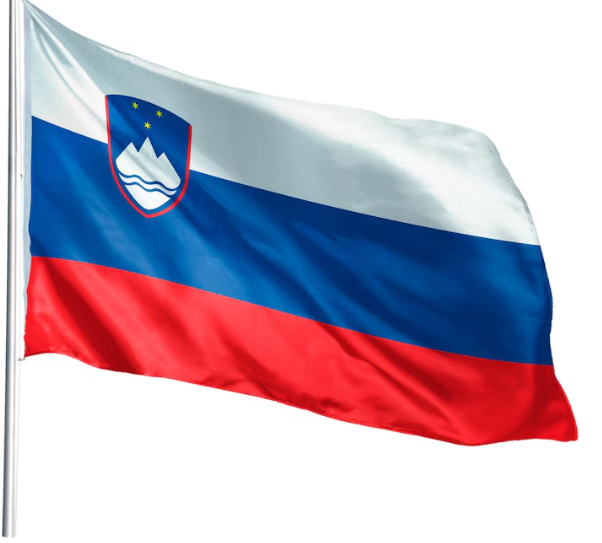
  • Property for Sale in Slovenia

    Strategic Alpine Living with Investment Stability in the Heart of Europe

    Slovenia’s property market offers a compelling blend of natural beauty, economic stability, EU membership benefits, and a growing international profile — all within a compact, highly livable country known for its lakes, mountains, and charming historic towns. Whether you’re considering a lakeside home in Bled, a city apartment in Ljubljana, or a countryside retreat in the Julian Alps, Slovenia presents a balanced opportunity for both lifestyle and long-term investment.

    This guide covers the key buying regions, property types, residency and tax considerations, legal steps, and strategic insights to help you invest in Slovenian property with clarity and confidence.

    Why Buy Property in Slovenia?

    Slovenia is one of Central Europe’s most stable and underrated real estate markets. As a member of the EU and Eurozone, it offers a secure legal framework, a high quality of life, and increasing appeal among international buyers seeking a quieter alternative to more saturated markets.

    Key reasons to consider Slovenia:

    Strong political and economic stability within the EU and Eurozone
    Transparent legal system with clear property ownership rights
    Relatively low property prices compared to Western Europe
    High quality of life with clean environment, safety, and healthcare
    Growing tourism sector supporting rental demand
    Strategic location bordering Italy, Austria, Hungary, and Croatia
    Increasing interest from foreign buyers seeking second homes or relocation

    Slovenia attracts buyers from Germany, Austria, Italy, the UK, and increasingly from global investors looking for emerging European markets with long-term upside.

    Where to Buy: Prime Regions and Investment Zones

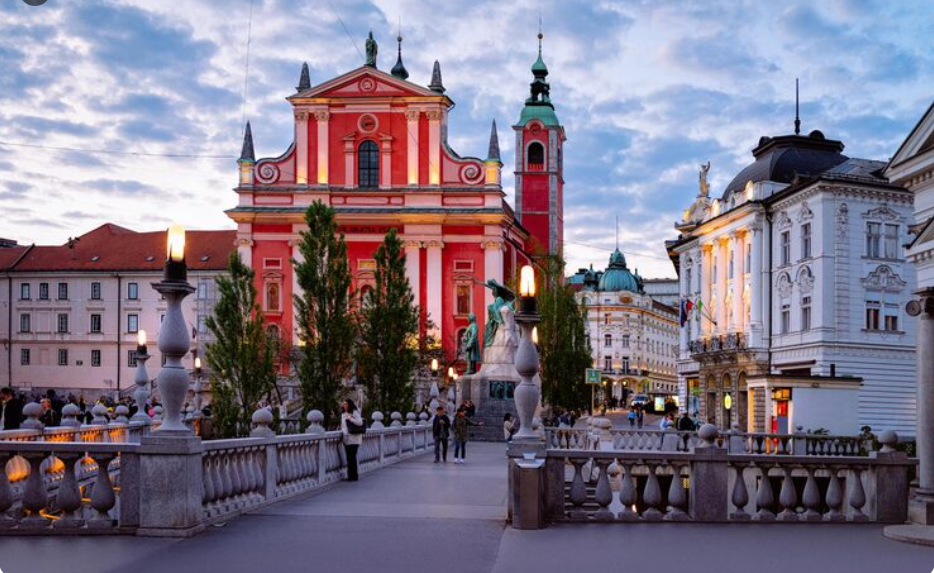
    Ljubljana
    The capital city is the economic and cultural center of Slovenia. Demand is highest here for modern apartments, especially in central and well-connected districts. Strong rental demand from professionals, students, and expats makes Ljubljana ideal for steady yields and long-term appreciation.
    Lake Bled & Lake Bohinj
    Among Slovenia’s most iconic destinations, these alpine lake regions are highly sought after for holiday homes and short-term rentals. Limited supply and strict development regulations help maintain exclusivity and long-term value.

    Koper, Piran & the Adriatic Coast
    Slovenia’s short but attractive coastline offers Mediterranean-style living. Historic towns like Piran and coastal hubs like Koper provide opportunities for both lifestyle buyers and investors targeting tourism-driven rental income.

    Maribor
    Slovenia’s second-largest city offers more affordable entry points. With a growing student population and improving infrastructure, Maribor presents opportunities for value-driven investors.

    The Julian Alps & Triglav National Park
    Ideal for nature-focused buyers seeking chalets, mountain homes, or retreat properties. These areas are popular for eco-tourism and seasonal rentals.

    Celje, Kranj & Secondary Cities
    Smaller cities with lower property prices and stable local demand. These locations are suitable for long-term rentals and buyers looking for affordability with growth potential.

    What Can You Buy?

    City Apartments
    Modern and older apartments in Ljubljana and other cities form the core of the market. New developments offer energy-efficient designs, while older buildings in central areas often come at a lower price point with renovation potential.

    Lakeside & Holiday Homes
    Properties around Lake Bled and Bohinj are highly desirable. These include villas, chalets, and boutique homes suited for both personal use and short-term rentals.

    Townhouses & Historic Properties
    Charming homes in old towns like Piran or Ljubljana’s historic center often feature traditional architecture, stone facades, and cultural value. These properties are limited in supply and attract premium pricing.

    Villas & Detached Houses
    Available across suburban and rural areas, often with gardens and scenic views. Popular with families and buyers seeking privacy.

    Farmhouses & Rural Properties
    Slovenia offers countryside homes with land, ideal for lifestyle buyers, eco-tourism projects, or renovation investments.

    New-Build Developments
    Modern residential projects, especially around Ljubljana, offer contemporary living standards, parking, and energy efficiency. These are attractive for both end-users and investors.

    The Buying Process in Slovenia

    Select a Property & Make an Offer
    Once you identify a property, you submit an offer through the agent or directly to the seller. Negotiation is common, especially outside prime locations.

    Sign the Preliminary Agreement
    A reservation or preliminary contract may be signed, typically accompanied by a deposit (usually around 10%). This secures the property while due diligence is conducted.

    Legal Due Diligence
    A lawyer or notary verifies ownership, land registry records, zoning permissions, and any encumbrances. Slovenia has a transparent land registry system, making verification straightforward.

    Obtain a Tax Number
    Foreign buyers must obtain a Slovenian tax number before completing the purchase. This is a standard administrative step.

    Sign the Final Contract
    The sales contract is signed and notarized. Payment is completed, and ownership is transferred.

    Register Ownership
    The new owner is registered in the land registry, finalizing the transaction.

    Professional note: Working with a local lawyer is highly recommended to ensure compliance and protect your interests.

    Costs, Taxes, and Ongoing Charges

    Buyers should budget approximately 2–5% on top of the purchase price:

    Property Transfer Tax: 2% (paid by the buyer in most cases)
    Notary and Legal Fees: Typically 1–2%
    Agent Fees: Often included in the listing price but can vary
    Registration Costs: Minor administrative fees

    No annual property tax in the traditional sense, though a property value-based tax system has been discussed
    Ongoing Costs: Utilities, maintenance, and building management fees (if applicable)

    Capital gains tax may apply if the property is sold within a certain period, but long-term ownership reduces or eliminates this liability.

    Renting Out Your Slovenian Property

    Short-Term Rentals
    Tourist rentals are popular in Ljubljana, Lake Bled, and coastal towns. Registration and compliance with local tourism regulations are required. Demand is strong during peak travel seasons.

    Long-Term Rentals
    Cities like Ljubljana and Maribor have steady demand from professionals and students. Lease agreements typically run for 12 months or longer.

    Yields
    Gross rental yields generally range from 3% to 6%, depending on location and property type.

    Taxation
    Rental income is subject to taxation, with options for standardized expense deductions. Tax planning advice is recommended for foreign investors.

    Residency & Legal Structuring

    EU Buyers
    Citizens of EU countries can purchase property freely without restrictions.

    Non-EU Buyers
    Non-EU citizens may need to establish a Slovenian company or meet reciprocity conditions depending on their country of origin.

    Residency Options
    Property ownership alone does not grant residency, but it can support applications for temporary or long-term residence when combined with business or employment activities.

    Company Ownership
    Many non-EU buyers choose to purchase property through a Slovenian company, which also opens pathways for business-based residency.

    Inheritance
    Slovenia has inheritance tax rules that vary depending on the relationship between the deceased and the heir, with close family members often exempt.

    Construction Standards, Energy, and Infrastructure

    Build Quality
    Slovenia follows EU construction standards. New builds are energy-efficient, while older properties may require upgrades.

    Energy Ratings
    Energy Performance Certificates are mandatory for property sales and rentals.

    Infrastructure
    Excellent road networks, rail connectivity, and proximity to major European cities
    Reliable utilities and widespread high-speed internet
    Access to international airports in Ljubljana and nearby cities like Venice and Zagreb

    Buyer Safeguards and Best Practices

    Work with a licensed real estate agent familiar with local regulations
    Engage an independent lawyer for due diligence and contract review
    Verify land registry records and ownership status
    Check zoning laws and building permits, especially for rural or renovation properties
    Ensure compliance with rental regulations if planning to generate income

    How We Help at Buyeuropeanproperty.com

    At Buyeuropeanproperty.com, we simplify your Slovenian property journey — from identifying high-potential locations to managing legal due diligence, tax considerations, and post-purchase support.

    Whether you’re looking for a city apartment in Ljubljana, a lakeside retreat in Bled, or a countryside investment property, we connect you with trusted agents, vetted listings, and experienced legal professionals.

    We also assist international buyers with structuring purchases, navigating residency pathways, and aligning investments with long-term financial goals.

    Ready to Explore Property for Sale in Slovenia?

    Start with your objective — lifestyle, rental income, long-term appreciation, or relocation.

    Contact Buyeuropeanproperty.com for curated listings, virtual tours, expert insights, and step-by-step guidance.

    From alpine retreats to vibrant city living, Slovenia offers a unique combination of stability, natural beauty, and investment potential in one of Europe’s most promising emerging markets.
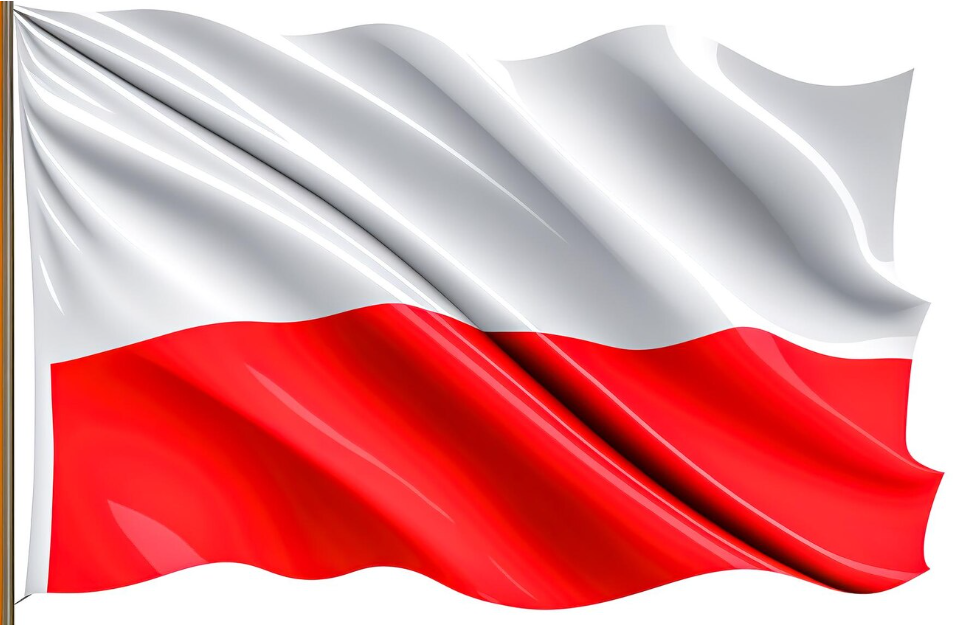
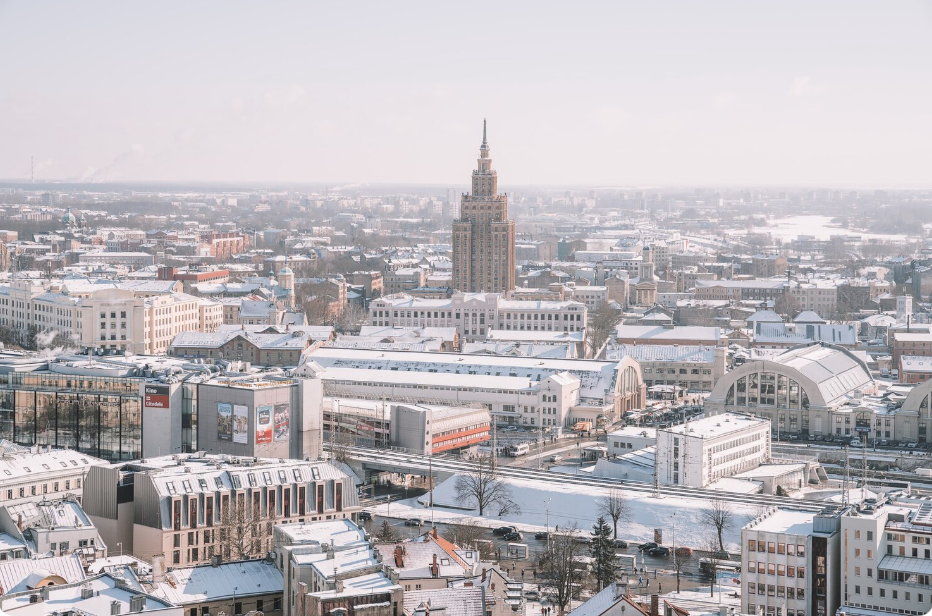
  • Property for Sale in Poland

    Strategic Central European Living with Growth Potential in the Heart of the EU

    Poland’s property market has steadily evolved into one of Europe’s most compelling investment destinations, offering economic resilience, strong domestic demand, and attractive pricing compared to Western Europe. As a member of the European Union with a rapidly growing economy, Poland provides a stable legal framework, expanding infrastructure, and a dynamic urban landscape that continues to attract both local and international buyers.

    Whether you are considering a modern apartment in Warsaw, a historic residence in Kraków, or a coastal property in Gdańsk, Poland combines affordability with long-term capital appreciation potential. It is a market that balances lifestyle appeal with solid investment fundamentals.

    This guide covers the key buying regions, property types, legal processes, taxes, rental opportunities, and strategic considerations to help you confidently invest in property for sale in Poland.

    Why Buy Property in Poland?

    Poland stands out as one of Europe’s fastest-growing economies, with consistent GDP growth, low unemployment, and increasing foreign investment. Its real estate market reflects this strength, offering competitive entry prices and rising demand across major cities.

    Key reasons to consider Poland:

    Strong economic growth and political stability within the EU
    Competitive property prices compared to Western European markets
    High demand for rental housing driven by urbanization and student populations
    No restrictions for EU buyers purchasing residential property
    Growing interest from international investors and expats
    Modern infrastructure, transport connectivity, and business expansion hubs

    Poland attracts buyers from across Europe, as well as investors from the UK, Germany, Scandinavia, and increasingly from Asia and the Middle East.

    Where to Buy: Prime Regions and Investment Zones

    Warsaw

    Śródmieście (city center) and Mokotów are particularly popular for professionals, while emerging districts like Wola offer strong appreciation potential.

    The capital city and financial hub of Poland. Warsaw offers a mix of modern high-rise apartments, business districts, and established residential neighborhoods. It has the strongest rental demand and is ideal for long-term investment and corporate tenants.

    Kraków

    A historic city with strong tourism and academic demand. Kraków is known for its preserved architecture, cultural appeal, and consistent rental income opportunities.

    The Old Town and Kazimierz areas are popular for short-term rentals, while newer developments cater to long-term tenants and students.

    Wrocław

    A fast-growing city with a strong tech and education sector. Wrocław attracts young professionals and international companies, making it a solid choice for rental investments.

    Property prices remain relatively accessible, with good upside potential as the city continues to expand.

    Gdańsk, Gdynia & Sopot (Tricity)

    Poland’s coastal region offers a unique mix of lifestyle and investment appeal. Gdańsk is a historic port city, Gdynia is modern and business-focused, and Sopot is a premium resort destination.

    These cities are particularly attractive for holiday rentals and second homes, with strong seasonal demand.

    Poznań

    A commercial and academic center with stable demand. Poznań offers a balanced market with moderate prices and consistent rental yields, especially among students and young professionals.

    Łódź

    An emerging market undergoing regeneration. Once an industrial hub, Łódź is now transforming into a creative and business center, offering lower entry prices and high growth potential.

    What Can You Buy?

    Modern Apartments

    The most common property type in Poland. New-build apartments in urban developments often include underground parking, elevators, and security features. These are ideal for rental income and resale.

    Historic Apartments

    Found mainly in Kraków, Gdańsk, and central Warsaw. These properties offer character, high ceilings, and architectural charm, often appealing to lifestyle buyers and short-term rental investors.

    Family Homes & Suburban Houses

    Located on the outskirts of major cities. These properties offer more space, gardens, and privacy, making them popular with families and long-term residents.

    Luxury Properties

    Premium apartments and villas are available in prime districts of Warsaw and coastal regions. These properties cater to high-net-worth individuals and expats seeking high-end living standards.

    New Developments

    Poland has a strong pipeline of new residential projects. Developers often offer flexible payment plans, modern layouts, and energy-efficient construction.

    The Buying Process in Poland

    Property Selection & Reservation

    Once you identify a property, you may sign a reservation agreement and pay a small deposit to secure it.

    Preliminary Agreement (Umowa Przedwstępna)

    This legally binding contract outlines the purchase terms, price, and completion timeline. A deposit of around 10% is typically required.

    Legal Due Diligence

    A notary or lawyer verifies the property’s legal status, ownership, land registry, and any encumbrances.

    Final Notarial Deed

    The transaction is completed in the presence of a notary, who formalizes the transfer of ownership.

    Land Registry Update

    The new ownership is registered in the official land and mortgage register.

    Professional note: In Poland, notaries play a central role in ensuring the legality and security of property transactions.

    Costs, Taxes, and Ongoing Charges

    Buyers should budget approximately 5–8% above the purchase price:

    Property Transfer Tax (PCC): 2% for resale properties
    VAT: 8% for new residential properties (usually included in the price)
    Notary Fees: Approximately 1–2% depending on property value
    Legal Fees: Optional but recommended
    Land Registry Fees: Relatively minimal

    Ongoing Costs:

    Maintenance fees (czynsz) for apartments
    Utilities and insurance
    Property management fees (if renting out)

    Capital gains tax may apply on resale, depending on ownership duration and residency status.

    Renting Out Your Polish Property

    Short-Term Rentals

    Popular in tourist cities like Kraków and Gdańsk. However, regulations are tightening in some areas, and compliance with local laws is essential.

    Long-Term Rentals

    Highly востребованы among students, professionals, and expats. Lease agreements typically run for 12 months and provide stable income.

    Yields

    Gross rental yields generally range between 4% and 6%, depending on location, property type, and management efficiency.

    Taxation

    Rental income is taxed under simplified regimes, often at flat rates, making it relatively straightforward for investors.

    Residency & Legal Structuring

    EU Buyers

    Citizens of EU countries can freely purchase residential property in Poland without restrictions.

    Non-EU Buyers

    May require a permit from the Ministry of the Interior for certain types of property, particularly land or houses.

    Residency

    Owning property does not automatically grant residency, but Poland offers various visa and residency pathways for investors, entrepreneurs, and workers.

    Ownership Structure

    Most buyers purchase in their personal name. Corporate ownership is possible but typically used for larger investment portfolios.

    Inheritance

    Poland has inheritance tax rules depending on the relationship between the deceased and the beneficiary, with exemptions available for close family members.

    Construction Standards, Energy, and Infrastructure

    Build Quality

    Modern developments adhere to EU construction standards, offering good insulation, soundproofing, and energy efficiency.

    Energy Ratings

    Energy performance certificates are required for most transactions, reflecting growing emphasis on sustainability.

    Infrastructure

    Poland has significantly improved its infrastructure, including highways, rail networks, and airports. Major cities are well-connected domestically and internationally.

    Internet and utilities are reliable, supporting both residential living and remote work.

    Buyer Safeguards and Best Practices

    Work with licensed real estate agents familiar with local regulations
    Use an independent lawyer or notary for due diligence
    Verify land registry records and ownership status
    Understand zoning laws and building regulations
    Check developer reputation when purchasing new builds
    Ensure compliance with rental regulations if planning to lease

    Taking these steps ensures a smooth and secure transaction.

    How We Help at Buyeuropeanproperty.com

    At Buyeuropeanproperty.com, we guide you through every stage of buying property in Poland. From identifying high-growth locations to managing legal processes and post-purchase services, we provide end-to-end support tailored to your goals.

    Whether you are looking for a rental apartment in Warsaw, a heritage property in Kraków, or a coastal investment in Gdańsk, we connect you with trusted professionals and carefully selected opportunities.

    We also assist international buyers with structuring purchases, understanding tax implications, and optimizing long-term investment strategies.

    Ready to Explore Property for Sale in Poland?

    Start by defining your objective, whether it is rental income, capital appreciation, or lifestyle relocation.

    With its strong economy, competitive pricing, and growing international appeal, Poland offers a balanced and accessible entry point into the European property market.

    From vibrant city apartments to coastal retreats and emerging urban hubs, Poland presents a compelling opportunity for investors seeking stability, growth, and long-term value in the heart of Europe.

  • Property for Sale in Finland

    Strategic Nordic Living with Long-Term Stability in One of Europe’s Most Resilient Property Markets

    Finland’s property market presents a unique blend of economic resilience, transparent governance, high quality of life, and long-term investment security — all set within a landscape of pristine nature, modern infrastructure, and a highly educated population. Whether you’re considering a waterfront apartment in Helsinki, a lakeside cottage in the Finnish Lakeland, or a modern home in Espoo, Finland offers both lifestyle appeal and dependable investment fundamentals.

    This guide covers the key buying regions, property types, residency considerations, legal framework, and strategic insights to help you confidently explore property for sale in Finland.

    Why Buy Property in Finland?

    Finland is consistently ranked among the world’s most stable, transparent, and well-governed countries. As a member of the European Union and Eurozone, it offers strong legal protections, a highly regulated property market, and a robust banking system.

    Key reasons to consider Finland:

    Stable and transparent property market with strict regulatory oversight
    High quality of life with top rankings in education, safety, and healthcare
    Strong infrastructure including transport, digital connectivity, and urban planning
    No restrictions on foreign ownership of most residential property
    Growing demand in urban centres driven by tech, education, and international workforce
    Strong rental demand in cities like Helsinki, Espoo, and Tampere
    Low corruption and highly reliable legal enforcement

    Finland attracts buyers from across Europe, as well as investors looking for long-term stability rather than speculative gains.

    Where to Buy: Prime Regions and Investment Zones

    Helsinki
    The capital city and economic hub of Finland. Helsinki offers a mix of modern apartments, historic buildings, and waterfront living. High demand from professionals, students, and international workers ensures stable rental income. Premium areas include Eira, Ullanlinna, and Töölö.

    Espoo
    Located next to Helsinki, Espoo is a major tech and innovation centre. Home to multinational companies and research institutions, it offers modern housing, green spaces, and strong family appeal. Areas like Tapiola and Keilaniemi are particularly sought after.

    Tampere
    One of Finland’s fastest-growing cities with a strong industrial and university base. Tampere offers more affordable property compared to Helsinki, with solid rental demand and infrastructure development supporting long-term growth.

    Turku
    A historic coastal city with a strong maritime economy and university presence. Turku offers a blend of heritage properties and modern housing, making it attractive for both lifestyle buyers and investors.

    Finnish Lakeland
    A vast region of lakes, forests, and countryside homes. Popular for second homes and holiday properties, especially among international buyers seeking privacy, nature, and retreat-style living.

    Oulu
    A northern city known for its technology sector and university. Oulu provides affordable property options with steady demand from students and professionals.

    What Can You Buy?

    City Apartments
    The most common property type in Finland. These range from compact studio units to large family apartments in urban centres. Many come with shared amenities such as saunas, storage, and parking. Ideal for rental income and long-term appreciation.

    Detached Houses
    Available in suburban and rural areas, these homes offer more space, gardens, and privacy. Popular among families and long-term residents.

    Lakeside Cottages (Mökki)
    Traditional Finnish holiday homes located near lakes or forests. These properties are highly desirable for seasonal use or short-term rentals.

    New-Build Developments
    Modern apartments and housing complexes built to high energy efficiency standards. Often located in expanding urban areas with strong infrastructure.

    Heritage Properties
    Older homes with historical character, particularly in cities like Turku and Helsinki. These may require renovation but offer unique architectural appeal.

    The Buying Process in Finland

    Property Search and Offer
    Once you identify a property, you submit a written offer through an agent or directly to the seller. Negotiations may follow before acceptance.

    Due Diligence
    The buyer reviews property documents, including ownership records, housing company details (for apartments), and maintenance history.

    Sales Agreement
    A formal contract is signed, typically with a deposit paid. This agreement outlines all terms, including price, timelines, and conditions.

    Final Payment and Transfer
    The remaining balance is paid, and ownership is officially transferred. This often takes place through a bank or legal representative.

    Registration
    The new owner registers the property with the Finnish Land Registry.

    The process is straightforward and well-regulated, with strong protections for both buyers and sellers.

    Costs, Taxes, and Ongoing Charges

    Buyers should budget for additional costs beyond the purchase price:

    Transfer Tax:
    2% for apartments (shares in housing companies)
    4% for direct real estate purchases

    Notary and Legal Fees: Minimal compared to many other countries

    Agent Fees: Typically paid by the seller

    No annual property tax at high rates, but municipalities may charge modest local property taxes

    Ongoing Costs:
    Maintenance fees (for apartments)
    Utilities, insurance, and possible renovation contributions

    Finland’s cost structure is transparent, with no hidden fees or complex tax layers.

    Renting Out Your Finnish Property

    Long-Term Rentals
    The most common rental model in Finland. Demand is strong in cities with universities, tech hubs, and employment centres. Contracts are typically stable and regulated.

    Short-Term Rentals
    Allowed but may be subject to housing company rules and local regulations. More common in tourist regions and Helsinki.

    Yields
    Rental yields typically range from 3% to 6%, depending on location and property type.

    Tenant Protections
    Finland has strong tenant rights, so landlords must follow proper legal procedures. However, this also ensures a stable and predictable rental environment.

    Residency & Legal Structuring

    Residency
    Buying property in Finland does not automatically grant residency. However, property ownership can support visa or residency applications when combined with other criteria such as employment or business activity.

    EU Citizens
    EU/EEA citizens can live and buy property freely in Finland.

    Non-EU Buyers
    Allowed to purchase property, though additional permissions may be required for certain types of land or locations.

    Ownership Structure
    Most buyers purchase in their personal name. Corporate ownership is possible but less common for residential property.

    Inheritance
    Finland has inheritance tax, which varies based on relationship and asset value. Planning ahead is advisable for long-term ownership.

    Construction Standards, Energy, and Infrastructure

    Build Quality
    Finland is known for exceptionally high construction standards. Properties are built to withstand cold climates, with strong insulation and durable materials.

    Energy Efficiency
    Modern homes are highly energy-efficient, often featuring advanced heating systems such as district heating or geothermal solutions.

    Heating Systems
    Central heating is standard, with many properties connected to efficient district heating networks.

    Infrastructure
    Finland offers excellent public transport, road networks, and digital connectivity. Even rural areas benefit from reliable infrastructure.

    Buyer Safeguards and Best Practices

    Work with licensed real estate agents familiar with local regulations
    Review housing company documents carefully when buying apartments
    Understand maintenance fees and future renovation plans
    Conduct thorough inspections, especially for older properties
    Ensure compliance with local rental rules if planning to lease the property
    Use legal professionals when needed for added security

    Finland’s system is designed to minimize risk, but due diligence remains important.

    How We Help at Buyeuropeanproperty.com

    At Buyeuropeanproperty.com, we guide you through every stage of buying property in Finland — from identifying the right location to handling legal processes, tax considerations, and post-purchase management.

    Whether you are looking for a modern apartment in Helsinki, a family home in Espoo, or a lakeside retreat in the countryside, we connect you with trusted professionals and carefully selected opportunities.

    We also support international buyers with market insights, investment strategies, and practical guidance tailored to your goals.

    Ready to Explore Property for Sale in Finland?

    Start by defining your objective — whether it is lifestyle, long-term investment, rental income, or relocation.

    Finland offers a unique combination of stability, transparency, and quality living that is difficult to match. With strong fundamentals and a highly regulated market, it stands out as a secure choice for property buyers in Europe.

    From urban apartments to peaceful lakeside homes, Finland provides a balanced and reliable environment for both living and investing.

  • Property for Sale in Estonia

    Strategic Northern Living with Digital Innovation and Investment Stability in the Baltics

    Estonia’s property market offers a compelling blend of digital innovation, transparent governance, strong legal protections, and growing demand — all within one of Europe’s most advanced digital societies. Whether you’re considering a modern apartment in Tallinn, a coastal home in Pärnu, or a countryside retreat surrounded by forests and lakes, Estonia presents a balanced opportunity for both lifestyle and long-term investment.

    This guide covers the key buying regions, property types, residency and tax advantages, legal steps, and strategic considerations to help you invest in Estonian property with confidence.

    Why Buy Property in Estonia?

    Estonia is a member of the European Union and Eurozone, known for its digital-first infrastructure, low corruption, and business-friendly policies. It consistently ranks among the most transparent and efficient countries in Europe, making it highly attractive to international investors, entrepreneurs, and remote professionals.

    Key reasons to consider Estonia:

    Property ownership rights are strong and clearly protected under EU law
    Digitally advanced systems allow fast and transparent transactions
    No annual property tax on land for residential use in many cases (local variations apply)
    A flat income tax system with investor-friendly policies
    Growing demand driven by tech professionals, startups, and expats
    Stable economy with consistent real estate appreciation in urban areas
    Residency pathways through business and investment routes

    Estonia attracts buyers from Finland, Germany, Sweden, the UK, and increasingly from global digital entrepreneurs seeking a base in Europe.

    Where to Buy: Prime Regions and Investment Zones

    Tallinn

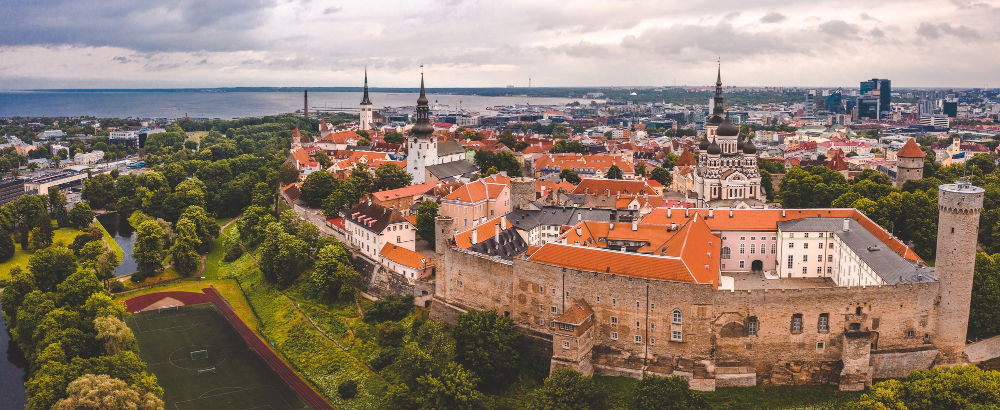
    The capital and economic hub of Estonia. Tallinn combines medieval charm with modern infrastructure. The Old Town offers heritage apartments, while areas like Kalamaja and Noblessner are known for trendy developments and waterfront living. Strong rental demand from professionals and international residents makes Tallinn the top investment location.

    Tartu

    Estonia’s second-largest city and a major university hub. Tartu offers steady rental demand from students, researchers, and academic professionals. Property prices are lower than Tallinn, making it attractive for investors seeking higher yields.

    Pärnu

    A coastal resort city known for its beaches and summer tourism. Popular for holiday homes and short-term rentals. Demand peaks during summer months, offering strong seasonal rental returns.

    Harju County (Outside Tallinn)

    Suburban and semi-rural areas surrounding Tallinn. Ideal for families and buyers seeking larger homes with access to nature while remaining close to the capital.

    Saaremaa & Hiiumaa Islands

    Estonia’s largest islands offer peaceful environments, coastal landscapes, and unique properties. These are ideal for second homes, retreats, or boutique hospitality projects.

    What Can You Buy?

    City Apartments

    Modern apartments dominate urban markets, especially in Tallinn and Tartu. These range from compact studio units to high-end penthouses. New developments often include energy-efficient designs, parking, and smart home features.

    Heritage Properties

    Historic apartments in Tallinn’s Old Town or older districts feature unique architecture, high ceilings, and cultural value. These are limited in supply and often command premium pricing.

    Private Houses & Villas

    Available in suburban and rural areas. These properties typically offer larger plots, gardens, and privacy. Increasingly popular among families and remote workers.

    Holiday Homes

    Coastal cottages and countryside cabins are widely available. These are attractive for both personal use and short-term rental income, particularly in Pärnu and island regions.

    New Developments

    Estonia has a growing number of modern residential projects with high energy efficiency standards. These are popular with investors due to low maintenance and strong tenant demand.

    The Buying Process in Estonia

    Select a Property & Make an Offer

    Once you identify a property, you can negotiate directly or through an agent. Offers are typically followed by a reservation agreement if accepted.

    Sign a Preliminary Agreement (Optional)

    In some cases, a pre-contract agreement is signed outlining terms, price, and timelines. A deposit may be required.

    Notary Involvement

    All property transactions in Estonia must be completed through a notary. The notary ensures legal compliance, verifies ownership, and oversees the signing process.

    Due Diligence

    The notary checks the land register, ensuring there are no encumbrances, debts, or legal issues associated with the property.

    Sign the Final Agreement

    Both parties sign the official purchase agreement in the presence of a notary. This can often be done digitally if both parties have Estonian digital ID access.

    Registration in Land Register

    Ownership is officially transferred and registered in Estonia’s electronic land register system, ensuring transparency and security.

    Professional note: Estonia’s digital systems make the process efficient, often completing transactions faster than in many other European countries.

    Costs, Taxes, and Ongoing Charges

    Buyers should budget for additional costs of approximately 2–5% of the property price:

    Notary Fees: Typically shared between buyer and seller
    State Fees (Land Register): Generally low and fixed
    Legal Fees: Optional if hiring independent legal counsel
    No traditional annual property tax on residential buildings (land tax may apply depending on municipality)
    Utilities and maintenance fees for apartments

    Capital gains tax may apply on resale, but exemptions exist for primary residences under certain conditions.

    Renting Out Your Estonian Property

    Short-Term Rentals

    Popular in Tallinn and Pärnu. Platforms like Airbnb are widely used. Regulations are relatively flexible but may vary by municipality.

    Long-Term Rentals

    Strong demand from professionals, students, and expatriates. Lease agreements typically range from 6 to 12 months.

    Yields

    Gross rental yields typically range from 4% to 6% in major cities, with higher potential in student areas or short-term rental markets.

    Taxation

    Rental income is subject to Estonia’s flat income tax rate. Certain deductions may apply depending on ownership structure.

    Residency & Legal Structuring

    E-Residency

    Estonia’s globally recognized e-Residency program allows foreigners to establish and manage an EU-based company digitally. While it does not grant physical residency, it complements property ownership for business purposes.

    Temporary Residency

    Available through employment, business activity, or study. Property ownership alone does not grant residency but can support broader relocation strategies.

    EU Citizens

    EU nationals can freely purchase property without restrictions and enjoy full ownership rights.

    Non-EU Buyers

    Generally allowed to purchase property, though some restrictions may apply in specific cases such as agricultural or forest land.

    Inheritance

    Estonia has inheritance tax rules, but rates and obligations depend on residency and relationship to the deceased.

    Construction Standards, Energy, and Infrastructure

    Build Quality

    Modern properties adhere to EU construction and energy standards. New developments are highly energy-efficient and built for cold climates.

    Energy Ratings

    Energy performance certificates are mandatory. Estonia places strong emphasis on sustainability and efficient heating systems.

    Utilities & Infrastructure

    Reliable utilities including heating, electricity, and high-speed internet. Estonia is one of the most digitally connected countries in the world, making it ideal for remote work.

    Public transport is efficient, and Tallinn offers free public transport for registered residents.

    Buyer Safeguards and Best Practices

    Work with a licensed real estate agent familiar with local regulations
    Always complete transactions through a notary to ensure legal compliance
    Review land register records for ownership clarity and liabilities
    Understand local zoning rules, especially for rural or coastal properties
    Confirm utility costs and building maintenance fees before purchase
    Ensure compliance with rental regulations if planning to lease

    How We Help at Buyeuropeanproperty.com

    At Buyeuropeanproperty.com, we simplify your Estonian property journey — from identifying high-potential locations to securing legal due diligence, tax clarity, and post-purchase management.

    Whether you’re looking for a high-yield apartment in Tallinn, a student rental in Tartu, or a peaceful coastal retreat, we connect you with trusted agents, vetted listings, and experienced legal professionals.

    We also support international buyers with structured strategies aligned to Estonia’s digital ecosystem, business environment, and long-term investment goals.

    Ready to Explore Property for Sale in Estonia?

    Start with your objective — lifestyle upgrade, rental income, business expansion, or diversification within the EU.

    Contact Buyeuropeanproperty.com for curated listings, market insights, and step-by-step support tailored to your needs.

    From tech-driven urban living to serene nature retreats, Estonia offers a unique combination of innovation, stability, and long-term value — making it one of Europe’s most forward-thinking property markets.

  • Property for Sale in Denmark

    Strategic Nordic Living with Long-Term Stability in One of Europe’s Most Transparent Markets

    Denmark’s property market combines strong economic fundamentals, transparent regulation, high living standards, and long-term investment security — all within a modern Scandinavian society known for efficiency, sustainability, and quality of life. Whether you’re considering a waterfront apartment in Copenhagen, a family home in Aarhus, or a countryside retreat in Zealand, Denmark offers a balanced mix of lifestyle appeal and stable real estate performance.

    This guide covers the key buying regions, property types, legal requirements, taxation, and strategic considerations to help you invest in Danish property with clarity and confidence.

    Why Buy Property in Denmark?

    Denmark is one of the most stable and well-regulated property markets in Europe. With a strong welfare system, high transparency, and consistent demand in urban centers, it appeals to both lifestyle buyers and long-term investors.

    Key reasons to consider Denmark:

    Stable economy with low corruption and strong legal protections
    Highly transparent property transactions and land registry system
    Strong rental demand in major cities like Copenhagen and Aarhus
    High quality of life, safety, and infrastructure
    Focus on sustainability and energy-efficient housing
    Long-term capital appreciation in prime urban areas
    Access to the EU market and Nordic business ecosystem

    Denmark attracts buyers from across Europe, especially Germany, Sweden, Norway, the UK, and international professionals relocating for work or education.

    Where to Buy: Prime Regions and Investment Zones

    Copenhagen
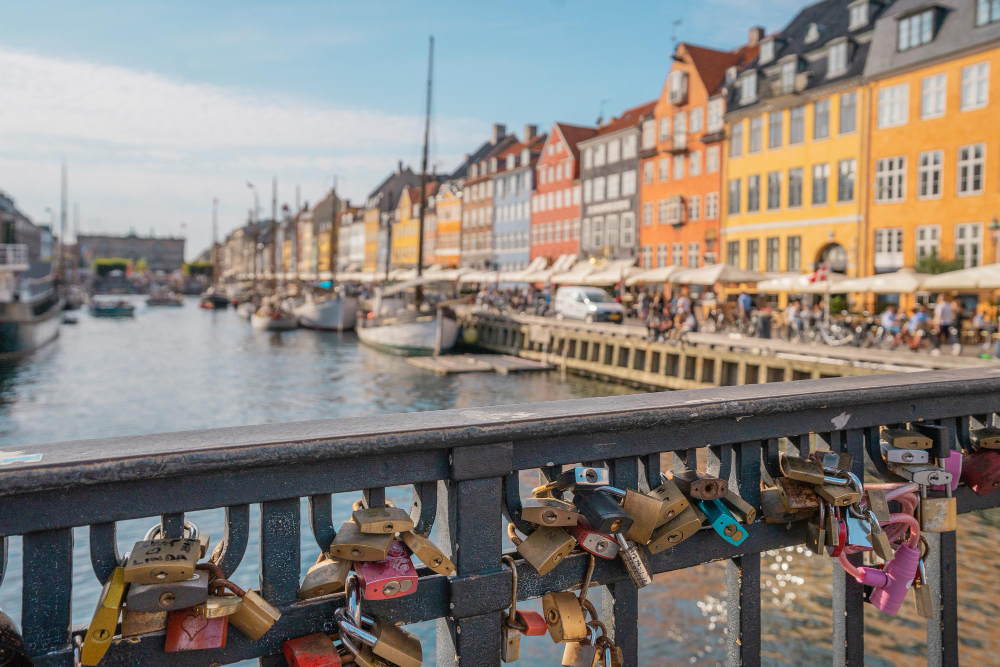
    The capital city and economic hub of Denmark. Copenhagen offers a mix of historic apartments, modern waterfront developments, and high-end residential projects. Areas like Østerbro, Vesterbro, and Islands Brygge are particularly popular for both living and investment. Strong rental demand and limited supply support long-term value growth.

    Aarhus
    Denmark’s second-largest city and a growing tech and education center. Aarhus combines a youthful population with expanding infrastructure. Property prices are lower than Copenhagen, offering attractive entry points for investors seeking growth potential.

    Odense
    Located on the island of Funen, Odense is known for its affordability and improving infrastructure. It is a good option for buyers seeking lower property prices while still benefiting from urban amenities and connectivity.

    Aalborg
    A northern city with a strong university presence and evolving economy. Aalborg has seen regeneration in recent years, with modern housing developments and increasing investor interest.

    North Zealand (Nordsjælland)
    An affluent region north of Copenhagen known for coastal properties, forests, and luxury homes. Popular with families and high-net-worth buyers seeking proximity to the capital with more space and privacy.

    Southern Denmark & Countryside Areas
    Rural regions and smaller towns offer significantly lower property prices. Ideal for buyers looking for holiday homes, farmhouses, or long-term lifestyle relocation rather than rental-focused investments.

    What Can You Buy?

    Apartments (Ejerlejlighed)
    The most common property type in cities. These are individually owned apartments within a shared building. Popular in Copenhagen and Aarhus, offering strong rental demand and liquidity.

    Cooperative Housing (Andelsbolig)
    A unique Danish model where buyers purchase shares in a housing association rather than owning the property outright. These are often more affordable but come with restrictions on resale and pricing.

    Detached Houses (Villa)
    Standalone homes typically found in suburban and rural areas. Ideal for families and long-term living, offering more space and privacy.

    Townhouses (Rækkehus)
    Row houses that combine affordability with space efficiency. Common in suburban areas and popular with families.

    Holiday Homes (Sommerhus)
    Vacation properties located near coastal or scenic areas. These are subject to specific rules, especially for non-residents, but are attractive for lifestyle buyers.

    New-Build Developments
    Modern, energy-efficient buildings with contemporary design. These are increasingly popular in urban areas and often meet high sustainability standards.

    The Buying Process in Denmark

    Property Search and Offer
    Buyers typically work with a real estate agent to identify suitable properties. Once a property is selected, an offer is submitted to the seller.

    Purchase Agreement (Købsaftale)
    A legally binding agreement is drafted outlining price, conditions, and timelines. Buyers usually have a short cooling-off period after signing.

    Hire a Lawyer (Advokat)
    It is standard practice to engage an independent property lawyer to review the contract, check legal documents, and ensure buyer protection.

    Financing Approval
    If financing is required, buyers secure mortgage approval. Danish mortgage systems are well-developed and offer competitive rates for eligible buyers.

    Deposit and Completion
    A deposit is paid, and the remaining balance is transferred at closing. Ownership is registered in the Danish Land Registry.

    Registration (Tinglysning)
    The transaction is officially recorded, and the buyer becomes the legal owner of the property.

    Professional note: Denmark’s property system is highly transparent, and legal oversight ensures strong buyer protection throughout the process.

    Costs, Taxes, and Ongoing Charges

    Buyers should account for additional costs beyond the purchase price:

    Registration Fee: Fixed fee plus a percentage of the purchase price
    Legal Fees: Typically 0.5% to 1% depending on complexity
    Real Estate Agent Fees: Usually paid by the seller
    Mortgage Costs: Applicable if financing is used
    Property Taxes: Annual municipal property taxes apply

    Denmark does not offer the same tax exemptions as some southern European countries, but the system is predictable and stable.

    Ongoing Costs include:

    Property tax (Ejendomsskat)
    Maintenance and utilities
    Association fees for apartments or shared housing
    Insurance

    Capital gains tax may apply depending on how the property is used, but primary residences are often exempt under certain conditions.

    Renting Out Your Danish Property

    Long-Term Rentals
    Denmark has strong demand for rental housing, particularly in Copenhagen and Aarhus. Long-term leases are common and provide stable income.

    Short-Term Rentals
    Short-term rentals are regulated and may require registration or compliance with local rules. Restrictions vary depending on municipality and property type.

    Yields
    Rental yields are generally moderate, ranging between 3% and 5%, with stronger stability rather than high returns.

    Tenant Protection
    Denmark has strong tenant rights, which provides stability but requires landlords to follow strict regulations.

    Residency & Legal Structuring

    Residency Requirements
    Non-EU buyers typically need permission from the Danish Ministry of Justice to purchase property unless they meet specific residency criteria.

    EU Buyers
    EU citizens can purchase property more easily, especially if they plan to reside in Denmark.

    Corporate Ownership
    Property can be purchased through companies, but regulations apply depending on usage and ownership structure.

    Inheritance
    Denmark has inheritance tax, and estate planning should be considered for long-term ownership.

    Legal Structuring
    Buyers often purchase in their personal name, but professional advice is recommended for tax efficiency and compliance.

    Construction Standards, Energy, and Infrastructure

    Build Quality
    Denmark is known for high construction standards, with a strong focus on durability, design, and sustainability.

    Energy Efficiency
    Energy performance certificates are mandatory, and many new buildings meet advanced environmental standards.

    Sustainability
    Green building practices and renewable energy integration are widely adopted, making Denmark a leader in sustainable housing.

    Infrastructure
    Denmark offers excellent infrastructure, including public transport, roads, healthcare, and digital connectivity.

    Buyer Safeguards and Best Practices

    Work with licensed real estate agents familiar with local regulations
    Always hire an independent lawyer to review contracts
    Understand zoning rules and property restrictions
    Check energy ratings and maintenance requirements
    Be aware of rental regulations before purchasing for investment
    Confirm eligibility if you are a non-resident buyer

    Denmark’s transparent system reduces risk, but professional guidance remains essential.

    How We Help at Buyeuropeanproperty.com

    At Buyeuropeanproperty.com, we guide you through every stage of buying property in Denmark — from identifying the right region to navigating legal requirements and securing your investment.

    We assist with:

    Property sourcing based on your goals
    Legal due diligence and contract review
    Market insights and investment strategy
    Coordination with local agents and lawyers
    Post-purchase support and property management

    Whether you are looking for a city apartment in Copenhagen, a growth opportunity in Aarhus, or a peaceful countryside home, we connect you with trusted professionals and curated opportunities.

    Ready to Explore Property for Sale in Denmark?

    Start by defining your objective — whether it is lifestyle relocation, stable investment, or long-term asset diversification.

    Denmark offers a unique combination of transparency, stability, and quality living within a highly developed European market.

    From modern urban apartments to scenic coastal homes, Denmark provides a secure and structured environment for property ownership — backed by strong institutions and long-term value potential.

  • Property for Sale in Croatia

    Strategic Adriatic Living with Long-Term Value in One of Europe’s Most Desirable Coastal Markets

    Croatia’s property market combines natural beauty, EU stability, rising tourism demand, and strong lifestyle appeal — all along one of the most stunning coastlines in Europe. Whether you’re considering a sea-view apartment in Split, a stone house in Dubrovnik’s old town, or a modern villa in Istria, Croatia offers a balanced mix of personal enjoyment and long-term investment potential.

    This guide covers the key buying regions, property types, legal framework, residency considerations, costs, and practical insights to help you invest in Croatian property with clarity and confidence.

    Why Buy Property in Croatia?

    Croatia has evolved into one of Europe’s most attractive second-home and investment destinations. Since joining the European Union and adopting the euro, the country has gained further credibility among international buyers.

    Key reasons to consider Croatia:

    Strong tourism-driven demand, especially along the Adriatic coast
    EU member with improving legal transparency and investor protections
    No restrictions for EU citizens; straightforward purchase routes for others
    Growing international appeal with consistent infrastructure development
    Competitive pricing compared to Italy, France, and Spain
    High lifestyle value with clean beaches, historic towns, and mild climate
    Rising rental demand driven by seasonal tourism and digital nomads

    Croatia attracts buyers from Germany, Austria, Slovenia, the UK, Scandinavia, and increasingly from global investors looking for coastal European assets at relatively accessible prices.

    Where to Buy: Prime Regions and Investment Zones

    Dubrovnik
    One of the most iconic destinations in the Mediterranean. Known for its UNESCO-listed old town, luxury villas, and limited inventory. Property here commands premium pricing but offers strong rental demand and long-term appreciation due to strict development controls.

    Split
    A vibrant coastal city with a mix of modern apartments and historic stone properties. Popular with tourists and expats alike, Split offers strong rental yields and a balanced lifestyle. Nearby islands like Hvar and Brač add additional investment options.

    Istria
    Often compared to Tuscany, Istria offers rolling countryside, vineyards, and charming coastal towns like Rovinj and Poreč. Ideal for buyers seeking villas, renovation projects, and peaceful living with access to Italy and Slovenia.

    Zadar
    An emerging hotspot with growing tourism and infrastructure investment. Property prices remain more accessible compared to Split and Dubrovnik, making it attractive for early-stage investors.

    Šibenik & Dalmatian Coast
    A mix of historic towns and quieter coastal areas with increasing demand. Offers opportunities for both holiday homes and boutique rental investments.

    Zagreb
    The capital city provides a different investment angle, focused on long-term rentals, student housing, and urban living. Less seasonal than coastal regions, offering steady year-round demand.

    What Can You Buy?

    Seafront Apartments
    Modern apartments with balconies and sea views are widely available in cities like Split, Zadar, and Dubrovnik. These are popular for short-term rentals and holiday use, offering a balance of affordability and income potential.

    Stone Houses & Heritage Properties
    Traditional Dalmatian stone houses are highly sought after, especially in historic towns and islands. Many require renovation but can be transformed into high-value boutique properties.

    Villas with Pools
    Luxury villas are increasingly popular in Istria and along the Dalmatian coast. These properties often come with landscaped gardens, private pools, and strong appeal for premium holiday rentals.

    New Developments
    Modern residential projects with contemporary design, parking, and amenities are expanding in urban and coastal areas. These are attractive for buyers seeking turnkey investments.

    Rural & Countryside Homes
    Inland areas offer larger properties at lower prices, ideal for buyers seeking tranquility or long-term appreciation as infrastructure improves.

    The Buying Process in Croatia

    Property Selection & Offer
    Once you identify a property, an offer is made and negotiated. A preliminary agreement may be signed outlining key terms and deposit conditions.

    Due Diligence
    A lawyer conducts checks on ownership, land registry records, zoning, and any encumbrances. This step is critical in Croatia to ensure clean title.

    Deposit & Preliminary Contract
    A deposit (typically around 10%) is paid upon signing the preliminary agreement. This secures the property while legal checks are finalized.

    Final Contract & Notarization
    The sale contract is signed in front of a public notary. Payment terms are completed, and the transaction becomes legally binding.

    Land Registry Registration
    Ownership is registered in the land registry. This step finalizes your legal ownership and should always be monitored until completion.

    Professional note: Working with an experienced local lawyer is essential to navigate documentation and ensure compliance.

    Costs, Taxes, and Ongoing Charges

    Buyers should plan for additional costs of around 3–6% on top of the purchase price:

    Property Transfer Tax: 3% of the purchase price
    Legal Fees: Typically 1–2% depending on complexity
    Notary Fees: Relatively modest fixed costs
    Agent Fees: Usually paid by the seller, but confirm in advance
    No annual property tax currently applied in most cases

    Ongoing Costs: Utilities, maintenance, community fees (if applicable), and insurance

    Capital gains tax may apply if the property is sold within a certain period, though exemptions may apply depending on usage and ownership duration.

    Renting Out Your Croatian Property

    Short-Term Rentals
    Highly popular along the coast, especially during summer months. Properties can generate strong seasonal income but require registration and compliance with local tourism regulations.

    Long-Term Rentals
    More common in cities like Zagreb and Split. Provides stable income with lower management intensity.

    Yields
    Rental yields vary widely by location. Coastal properties can generate strong seasonal returns, while urban properties offer consistent year-round income.

    Licensing
    Short-term rentals must be registered and approved by local authorities. Compliance with safety and tax regulations is essential.

    Residency & Legal Structuring

    EU Buyers
    Citizens of EU countries can purchase property freely with minimal restrictions.

    Non-EU Buyers
    May require approval from the Ministry of Justice, though this process is generally straightforward and increasingly streamlined.

    Residency Options
    Property ownership alone does not grant residency, but it can support temporary residence applications, especially for extended stays.

    Long-Term Stay
    Croatia has become popular with digital nomads, offering temporary residence permits under specific programs.

    Ownership Structures
    Most buyers purchase in their personal name. Company ownership is possible but requires additional planning and compliance.

    Construction Standards, Energy, and Infrastructure

    Build Quality
    New developments generally meet EU construction standards. Older properties, especially stone houses, may require renovation and upgrades.

    Energy Efficiency
    Energy certificates are required for sales and rentals. Buyers should consider insulation, heating systems, and energy performance when evaluating properties.

    Infrastructure
    Croatia has modern road networks, reliable utilities, and strong connectivity. Airports in Dubrovnik, Split, and Zagreb provide international access.

    Internet & Connectivity
    High-speed internet is widely available, supporting remote work and digital nomad lifestyles.

    Buyer Safeguards and Best Practices

    Work with a qualified local lawyer experienced in real estate transactions
    Verify land registry records and ensure clear title before purchase
    Confirm zoning regulations and building permits, especially for renovation projects
    Understand rental licensing requirements if planning to generate income
    Inspect the property thoroughly, including structural and utility systems
    Avoid informal agreements or cash transactions outside legal frameworks

    Taking a structured and professional approach significantly reduces risk and ensures a smooth transaction.

    How We Help at Buyeuropeanproperty.com

    At Buyeuropeanproperty.com, we guide you through every stage of buying property in Croatia — from identifying the right location to securing legal due diligence and managing the transaction process.

    Whether you’re looking for a coastal apartment in Split, a luxury villa in Istria, or a heritage home in Dubrovnik, we connect you with trusted agents, vetted listings, and experienced legal professionals.

    We also assist international buyers with property sourcing, negotiation, and post-purchase support, including rental strategy and property management.

    Ready to Explore Property for Sale in Croatia?

    Start by defining your goal — lifestyle, rental income, long-term investment, or a combination of all three.

    Croatia offers a unique opportunity to own property in a high-growth European destination with strong tourism demand and increasing international appeal.

    From historic coastal towns to modern seaside developments, Croatia delivers both lifestyle and investment value in one of Europe’s most naturally beautiful and culturally rich environments.

  • Property for Sale in Bulgaria

    Strategic Balkan Living with Strong Value Potential in Southeast Europe

    Bulgaria’s property market offers a compelling blend of affordability, EU membership, growing infrastructure, and diverse landscapes — from Black Sea beaches to ski resorts and historic cities. With low entry prices compared to Western Europe, favorable tax structures, and increasing foreign interest, Bulgaria presents an attractive opportunity for both lifestyle buyers and long-term investors.

    Whether you’re considering a seaside apartment in Sunny Beach, a ski chalet in Bansko, or a traditional house in the countryside, Bulgaria provides strong value and flexibility across multiple property segments.

    This guide covers the key buying regions, property types, residency and tax advantages, legal steps, and strategic considerations to help you invest in Bulgarian property with confidence.

    Why Buy Property in Bulgaria?

    Bulgaria combines EU access with one of the lowest property price points in Europe. It appeals to investors seeking capital appreciation, retirees looking for affordable living, and buyers interested in rental income from tourism-driven locations.

    Key reasons to consider Bulgaria:

    Affordable entry prices compared to Western and Central Europe
    EU member state with improving infrastructure and economic growth
    Flat income tax rate of 10%, one of the lowest in the EU
    No restrictions for EU buyers; relatively simple purchase process
    Growing tourism sector supporting rental demand in key regions
    Low cost of living, making it attractive for long-term stays
    Diverse property options: beach, ski, city, and countryside

    Bulgaria attracts buyers from the UK, Germany, Russia, the Netherlands, Israel, and increasingly from other EU countries looking for value investments.

    Where to Buy: Prime Regions and Investment Zones

    Sofia
    The capital city and economic hub of Bulgaria. Sofia offers year-round rental demand driven by business professionals, students, and expats. Property prices are higher than the rest of the country but still competitive compared to other European capitals. Ideal for long-term rental income and steady appreciation.

    Plovdiv
    One of Europe’s oldest cities and a cultural hotspot. Plovdiv has seen significant regeneration and growing demand from both locals and foreign buyers. It offers a balance of affordability and cultural appeal, making it attractive for both lifestyle and investment.

    Varna
    Known as the “Sea Capital” of Bulgaria, Varna combines beach access with urban infrastructure. It is popular for both holiday homes and long-term rentals, with strong demand during the summer season.

    Burgas
    A coastal city with modern infrastructure and a more relaxed pace than Varna. Burgas is ideal for buyers seeking a quieter lifestyle while still benefiting from seaside living and rental opportunities.

    Sunny Beach & Nessebar
    Major tourist hubs on the Black Sea coast. Sunny Beach is known for its vibrant holiday atmosphere and high short-term rental potential. Nessebar, a UNESCO-listed town, offers more historic charm and boutique investment opportunities.

    Bansko
    Bulgaria’s top ski resort and a major draw for international buyers. Bansko offers affordable ski properties with strong seasonal rental demand. It is particularly popular with UK and Eastern European investors.

    Rural Countryside (Veliko Tarnovo, Gabrovo, Stara Zagora regions)
    Traditional Bulgarian houses in rural areas offer very low purchase prices and large plots of land. These are ideal for lifestyle buyers, renovation projects, or those seeking a quiet retreat.

    What Can You Buy?

    Beachfront Apartments
    Modern apartments along the Black Sea coast, often within resort-style complexes. Amenities typically include pools, security, and maintenance services. These are popular for short-term holiday rentals.

    City Apartments
    Apartments in Sofia, Plovdiv, Varna, and Burgas range from older Soviet-era buildings to modern developments. These are ideal for long-term rental income and steady capital growth.

    Ski Apartments & Chalets
    Properties in Bansko and other ski resorts offer strong seasonal demand. Many developments include spa facilities, restaurants, and property management services.

    Traditional Houses
    Rural homes with land, often featuring gardens, barns, and traditional architecture. These are suitable for renovation and lifestyle living, often at very low entry prices.

    New-Build Developments
    Modern residential complexes in cities and resorts with investor-friendly amenities. These often attract foreign buyers due to ease of purchase and maintenance.

    The Buying Process in Bulgaria

    Select a Property & Agree on Terms
    Once you choose a property, the price and conditions are agreed with the seller. A reservation deposit is typically paid to secure the property.

    Sign a Preliminary Contract
    This legally binding agreement outlines the purchase terms, payment schedule, and completion timeline. A deposit (usually 10%) is paid at this stage.

    Legal Due Diligence
    A lawyer conducts checks on the property, including ownership, title status, and any encumbrances or debts.

    Company Formation (if required)
    Non-EU buyers purchasing land may need to set up a Bulgarian company, as individuals cannot directly own land. EU buyers do not face this restriction.

    Sign the Final Deed
    The final contract is signed before a notary public. The remaining payment is made, and ownership is officially transferred.

    Registration
    The transaction is registered with the Bulgarian Property Register, confirming legal ownership.

    Professional note: It is highly recommended to work with an independent lawyer and a reputable real estate agent to ensure full transparency and protection.

    Costs, Taxes, and Ongoing Charges

    Buyers should budget an additional 4–6% on top of the purchase price:

    Transfer Tax: 2–3% (varies by municipality)
    Notary Fees: Around 0.1–1.5% depending on property value
    Legal Fees: Typically 1%
    Registration Fees: Minimal
    Annual Property Tax: Very low, often under €100 per year
    Maintenance Fees: Applicable for apartments in managed complexes

    Rental income is taxed at a flat rate of 10%, making Bulgaria highly competitive from a tax perspective.

    Renting Out Your Bulgarian Property

    Short-Term Rentals
    Popular in coastal and ski areas such as Sunny Beach, Varna, and Bansko. High demand during peak seasons, especially summer and winter holidays.

    Long-Term Rentals
    Strong demand in cities like Sofia and Plovdiv from professionals and students. Provides stable, year-round income.

    Yields
    Gross rental yields typically range from 5% to 8%, depending on location and property type.

    Management
    Many developments offer property management services, making it easier for foreign investors to handle rentals remotely.

    Residency & Legal Structuring

    EU Citizens
    EU nationals can freely buy property in Bulgaria, including land, without restrictions.

    Non-EU Citizens
    Non-EU buyers can purchase buildings directly but may need to establish a local company to own land.

    Residency Options
    Property ownership alone does not grant residency, but it can support long-term visa applications and residency permits under certain conditions.

    Tax Residency
    Bulgaria’s flat 10% income tax and low corporate tax rates make it attractive for individuals considering relocation.

    Inheritance
    Inheritance laws are straightforward, and property can be passed to heirs with minimal complications.

    Construction Standards, Energy, and Infrastructure

    Build Quality
    Modern developments meet EU standards, while older properties may require renovation. Buyers should carefully inspect structural condition and utilities.

    Energy Efficiency
    Energy performance certificates are required. Newer buildings tend to be more energy efficient, while older homes may need upgrades.

    Utilities & Infrastructure
    Reliable electricity, water, and internet are widely available in cities and developed areas. Infrastructure continues to improve, especially in major regions and tourist zones.

    Transport
    Bulgaria has international airports in Sofia, Varna, and Burgas, along with improving road and rail networks.

    Buyer Safeguards and Best Practices

    Work with a licensed real estate agent with local market experience
    Always hire an independent lawyer to handle due diligence
    Verify property ownership and ensure there are no debts or liens
    Check zoning regulations and building permits, especially for rural properties
    Understand maintenance fees and management contracts in complexes
    Avoid informal agreements and ensure all transactions are legally documented

    How We Help at Buyeuropeanproperty.com

    At Buyeuropeanproperty.com, we simplify your Bulgarian property journey — from identifying high-potential locations to securing legal due diligence, tax efficiency, and property management.

    Whether you are looking for a rental-focused apartment in Sofia, a holiday home on the Black Sea, or a countryside retreat, we connect you with trusted professionals and vetted opportunities.

    We also assist international buyers with structuring purchases, navigating legal requirements, and optimizing investments for long-term returns.

    Ready to Explore Property for Sale in Bulgaria?

    Start by defining your goal — investment, lifestyle, rental income, or future relocation.

    Contact Buyeuropeanproperty.com for curated listings, market insights, and step-by-step guidance.

    From coastal apartments to mountain retreats, Bulgaria offers a rare combination of affordability, growth potential, and European access — making it one of the most practical entry points into the European property market.

  • Property for Sale in Hungary

    Strategic Central European Living with Long-Term Value in a Rising EU Market

    Hungary’s property market offers a compelling mix of affordability, strong rental demand, EU accessibility, and cultural richness — all within a centrally located European country known for its historic cities, thermal baths, and growing international appeal. Whether you are considering a renovated apartment in Budapest, a countryside villa near Lake Balaton, or an investment unit in a university city, Hungary provides both lifestyle advantages and long-term investment potential.

    This guide covers the key buying regions, property types, residency considerations, legal steps, taxes, and strategic insights to help you invest in Hungarian property with clarity and confidence.

    Why Buy Property in Hungary?

    Hungary has steadily positioned itself as one of Europe’s most attractive mid-market real estate destinations. As a member of the European Union, it provides legal security while still offering relatively low entry prices compared to Western Europe.

    Key reasons to consider Hungary:

    Affordable entry point compared to major EU markets like Germany or France
    Strong rental demand driven by students, tourists, and expats
    Central European location with excellent connectivity to Austria, Slovakia, and beyond
    No restrictions on EU buyers purchasing residential property
    Growing tourism sector supporting short-term rental income
    Stable legal system with transparent property ownership rights
    High quality of life with lower cost of living

    Budapest, in particular, has become a hotspot for investors due to its blend of historic charm and modern infrastructure.

    Where to Buy: Prime Regions and Investment Zones

    Budapest
    The capital city is the primary focus for most international buyers. District V (Belváros), District VI (Terézváros), and District VII (Erzsébetváros) are especially popular for short-term rentals and lifestyle apartments. Buda districts such as District II and XII offer greener surroundings and premium villas, ideal for families and long-term living.

    Lake Balaton
    Often referred to as the “Hungarian Sea,” Lake Balaton is a major holiday destination. Properties here range from waterfront villas to holiday homes. The north shore is more upscale and scenic, while the south shore offers more affordable options with strong seasonal rental demand.

    Debrecen
    Hungary’s second-largest city and a growing economic hub. With international companies setting up operations and a large student population, Debrecen offers strong rental yields and lower entry prices than Budapest.

    Szeged
    A vibrant university city near the Serbian border. Known for its architecture and academic institutions, Szeged attracts steady tenant demand from students and professionals.

    Győr
    Located between Budapest and Vienna, Győr benefits from cross-border business activity. It is an industrial and logistics hub, making it attractive for long-term rental investments.

    Pécs
    A cultural city with historic significance and a strong student base. Property prices remain relatively low, making it appealing for entry-level investors.

    What Can You Buy?

    City Apartments
    The most common property type in Hungary. In Budapest, many apartments are located in historic buildings with high ceilings and classic architecture. Renovated units in central districts are especially attractive for short-term rentals.

    New-Build Developments
    Modern apartments with elevators, underground parking, and energy-efficient designs. These are increasingly popular with both investors and local buyers seeking convenience and lower maintenance.

    Townhouses and Family Homes
    Found primarily in suburban areas and smaller cities. These offer more space, gardens, and privacy, making them ideal for long-term living.

    Holiday Homes and Villas
    Especially around Lake Balaton and countryside regions. These properties are often used for seasonal rentals or personal retreats.

    Renovation Projects
    Older apartments and houses can be purchased at lower prices and upgraded. This strategy is popular among investors looking to add value and increase rental returns.

    The Buying Process in Hungary

    Property Selection and Offer
    Once you identify a property, you submit an offer and negotiate terms with the seller.

    Preliminary Agreement and Deposit
    A reservation agreement is signed, typically with a deposit of 10%. This secures the property while legal checks are conducted.

    Legal Due Diligence
    A Hungarian lawyer verifies ownership, title status, and any encumbrances. This step is essential to ensure a clean transaction.

    Purchase Contract
    The final contract is drafted and signed by both parties. It includes all agreed terms and payment structure.

    Government Approval (Non-EU Buyers)
    Non-EU buyers require permission from the local government office. This process usually takes a few weeks.

    Final Payment and Registration
    The remaining balance is paid, and the lawyer registers the property in the Land Registry. Ownership is officially transferred once registration is complete.

    Costs, Taxes, and Ongoing Charges

    Buyers should plan for additional costs of approximately 6–10% of the purchase price.

    Property Transfer Tax
    4% of the property value

    Legal Fees
    Typically 1–2%

    Agent Fees
    Usually paid by the seller, but confirm in advance

    Registration Fees
    Nominal administrative costs

    Annual Property Tax
    Varies by municipality but generally low

    Utilities and Maintenance
    Include common charges for apartments, utilities, and insurance

    Hungary does not impose a nationwide wealth tax, which adds to its appeal for long-term investors.

    Renting Out Your Hungarian Property

    Short-Term Rentals
    Budapest is a major tourist destination, making short-term rentals highly attractive. However, regulations have tightened in some districts, so it is important to check local rules before investing.

    Long-Term Rentals
    Stable demand exists from students, expats, and professionals. Lease terms typically range from 12 months or longer.

    Yields
    Gross rental yields generally range between 4% and 8%, depending on location and property type.

    Taxation
    Rental income is taxed at a flat rate, and property owners can deduct certain expenses. It is advisable to work with a local accountant for compliance.

    Residency and Ownership Considerations

    EU Buyers
    Can purchase property freely without special permits.

    Non-EU Buyers
    Require government approval, which is generally straightforward for residential purchases.

    Residency Options
    While buying property does not automatically grant residency, it can support certain visa or residency applications when combined with other criteria.

    Ownership Structure
    Most buyers purchase in their personal name. Corporate ownership is also possible but may involve additional regulations.

    Inheritance
    Hungary applies inheritance tax depending on the relationship between parties, though close relatives may benefit from exemptions.

    Construction Standards, Energy, and Infrastructure

    Build Quality
    New developments follow EU construction standards. Older buildings may require renovation, particularly for insulation and energy efficiency.

    Energy Performance
    Energy certificates are required for property transactions. Modern buildings tend to have better ratings and lower utility costs.

    Infrastructure
    Hungary has well-developed infrastructure, including highways, rail connections, and an international airport in Budapest. Internet and utilities are reliable and widely available.

    Buyer Safeguards and Best Practices

    Work with a qualified local lawyer to handle legal due diligence
    Verify property ownership and ensure no outstanding debts or liens
    Check local regulations if planning short-term rentals
    Confirm renovation permissions for older or heritage properties
    Understand district-specific rules in Budapest before investing
    Always document all payments and agreements formally

    Taking these steps helps ensure a smooth and secure transaction.

    How We Help at Buyeuropeanproperty.com

    At Buyeuropeanproperty.com, we guide you through every stage of buying property in Hungary. From identifying high-potential locations to managing legal checks and connecting you with trusted professionals, we simplify the entire process.

    Whether you are looking for a high-yield apartment in Budapest, a lakeside retreat near Balaton, or a long-term investment in a growing regional city, we provide tailored support aligned with your goals.

    We also assist international buyers with market insights, negotiation strategies, and post-purchase management to ensure your investment performs as expected.

    Ready to Explore Property for Sale in Hungary?

    Start by defining your objective — whether it is rental income, long-term appreciation, or lifestyle relocation.

    Reach out to Buyeuropeanproperty.com for curated listings, expert advice, and step-by-step guidance.

    From historic apartments in Budapest to scenic countryside homes, Hungary offers a balanced combination of affordability, growth potential, and European accessibility — making it one of the most strategic property markets to consider today.

  • Property for Sale in Ireland

    Strategic Living with Investment Stability in One of Europe’s Most Attractive Property Markets

    Ireland’s property market offers a compelling mix of economic strength, legal transparency, strong rental demand, and long-term capital appreciation — all within a highly developed EU economy with English as the primary language. Whether you’re considering a modern apartment in Dublin, a coastal home in Cork, or a countryside estate in Galway, Ireland presents both lifestyle appeal and resilient investment potential.

    This guide covers the key buying regions, property types, residency considerations, legal process, costs, and strategic insights to help you invest in Irish property with clarity and confidence.

    Why Buy Property in Ireland?

    Ireland has evolved into one of Europe’s most dynamic economies, driven by technology, finance, and international business. It is home to major global corporations and offers a stable, transparent property market backed by strong legal protections.

    Key reasons to consider Ireland:

    Property demand consistently exceeds supply, especially in urban centres
    English-speaking country with a familiar legal system for international buyers
    Strong and growing economy with global corporate presence
    High rental demand driven by professionals, students, and expatriates
    Clear property ownership laws with secure title registration
    No restrictions for foreign buyers purchasing property
    Long-term capital appreciation, particularly in Dublin and major cities
    Ireland attracts buyers from the UK, US, EU countries, and increasingly from international investors seeking stable European assets.

    Where to Buy: Prime Regions and Investment Zones

    Dublin

    Ireland’s capital is the economic and cultural hub. Dublin offers a wide range of apartments, townhouses, and suburban homes. Areas such as Dublin 2, Dublin 4, and Dublin 6 are particularly desirable, attracting professionals and expatriates. Strong rental demand and limited supply make Dublin the top investment destination.

    Cork

    Ireland’s second-largest city, Cork combines affordability with strong growth potential. It has a thriving tech and pharmaceutical sector, making it attractive for both investors and families. Coastal areas near Cork also offer lifestyle-driven purchases.

    Galway

    A vibrant city on the west coast known for its cultural scene and universities. Galway is ideal for investors targeting student rentals and tourism-related properties. It also offers scenic coastal and countryside homes.

    Limerick

    An emerging investment destination with improving infrastructure and affordability. Limerick is attracting attention due to regeneration projects and a growing local economy.

    Kildare, Meath & Wicklow

    These commuter counties around Dublin offer more affordable housing options while maintaining access to the capital. Popular with families and long-term residents seeking space and value.

    Coastal and Countryside Areas

    Regions like Kerry, Donegal, and Clare provide stunning landscapes, holiday homes, and retreat-style living. These areas are ideal for lifestyle buyers and short-term rental opportunities.

    What Can You Buy?

    City Apartments

    Modern apartments in Dublin, Cork, and Galway are popular among investors. Typically located in managed developments, these properties offer strong rental demand and low maintenance.

    Townhouses

    Common in urban and suburban areas, townhouses provide a balance between space and affordability. Many are period properties with architectural character.

    Detached and Semi-Detached Homes

    Widely available in suburban and rural areas. These properties are ideal for families and long-term living, often featuring gardens and larger living spaces.

    Country Homes & Estates

    Ireland is known for its countryside properties, including cottages, farmhouses, and larger estates. These offer privacy, land, and scenic surroundings.

    New Developments

    New-build properties are increasingly popular due to modern design, energy efficiency, and compliance with current building regulations. Many developments offer turnkey solutions.

    The Buying Process in Ireland

    Agree on Price and Appoint a Solicitor

    Once you find a property, you make an offer through an estate agent. Once accepted, you appoint a solicitor to handle legal aspects of the transaction.

    Pay Booking Deposit

    A booking deposit is paid to reserve the property. This is typically refundable until contracts are signed.

    Legal Due Diligence

    Your solicitor conducts title checks, planning permission verification, and ensures there are no legal issues with the property.

    Sign Contracts and Pay Deposit

    Contracts are signed by both parties, and a deposit (usually 10%) is paid. At this stage, the transaction becomes legally binding.

    Arrange Financing

    If required, secure mortgage approval. Irish banks lend to both residents and non-residents, though conditions may vary.

    Close the Sale

    The balance of the purchase price is paid, and ownership is transferred. The solicitor registers the property with the Land Registry.

    Professional note: The process is transparent and regulated, with solicitors playing a key role in protecting buyer interests.

    Costs, Taxes, and Ongoing Charges

    Buyers should budget approximately 7–10% above the purchase price:

    Stamp Duty:
    1% on properties up to €1 million
    2% on amounts above €1 million

    Legal Fees:
    Typically 1–2% plus VAT

    Survey Costs:
    Recommended for older properties

    Mortgage Fees:
    If financing is used

    Local Property Tax (LPT):
    An annual tax based on property value

    Ongoing Costs:
    Insurance, maintenance, and utilities

    Capital Gains Tax:
    Applies on profit when selling (with certain exemptions depending on usage)

    Renting Out Your Irish Property

    Long-Term Rentals

    The most common rental strategy. Strong demand from professionals, students, and families ensures consistent occupancy.

    Short-Term Rentals

    Regulated in Ireland, particularly in Dublin. Planning permission may be required for short-term letting in certain areas.

    Yields

    Rental yields typically range from 3% to 6%, depending on location and property type. Dublin offers stability, while regional cities may offer higher yields.

    Taxation

    Rental income is subject to income tax, PRSI, and USC. Expenses such as mortgage interest (partially), maintenance, and management fees may be deductible.

    Residency & Legal Considerations

    Residency Through Property:
    Buying property in Ireland does not automatically grant residency rights. Separate visa or residency permits are required for non-EU nationals.

    EU Buyers:
    EU citizens can live and work freely in Ireland without restrictions.

    Non-EU Buyers:
    Can purchase property without restriction but must comply with immigration requirements for long-term stay.

    Ownership Structure:
    Most buyers purchase in personal names, though corporate structures may be used for investment purposes.

    Inheritance:
    Ireland has inheritance tax (Capital Acquisitions Tax), which should be considered in estate planning.

    Construction Standards, Energy, and Infrastructure

    Build Quality:
    Ireland maintains high construction standards aligned with EU regulations. New builds are energy efficient and well insulated.

    Energy Ratings:
    Building Energy Rating (BER) certificates are mandatory. Higher-rated properties are more energy efficient and attractive to buyers and tenants.

    Infrastructure:
    Ireland offers strong infrastructure including international airports, road networks, and high-speed internet. Dublin serves as a major global connectivity hub.

    Buyer Safeguards and Best Practices

    Work with a licensed estate agent and an experienced solicitor
    Conduct a full property survey, especially for older homes
    Verify planning permissions and zoning compliance
    Understand local rental regulations before investing
    Review BER ratings and potential energy upgrade costs
    Ensure financing is pre-approved if using a mortgage

    How We Help at Buyeuropeanproperty.com

    At Buyeuropeanproperty.com, we guide you through every stage of purchasing property in Ireland — from identifying the right location to completing legal due diligence and structuring your investment effectively.

    Whether you’re looking for a high-demand rental property in Dublin, a coastal retreat in Cork, or a countryside home in Galway, we connect you with trusted professionals, vetted listings, and local expertise.

    We also support international buyers with market insights, negotiation strategies, and post-purchase services including rental management.

    Ready to Explore Property for Sale in Ireland?

    Start by defining your goal — whether it’s rental income, long-term capital growth, or a lifestyle investment.

    Ireland offers a secure, transparent, and high-demand property market within one of Europe’s strongest economies.

    With the right guidance, investing in Irish property can deliver both financial returns and long-term stability in a globally respected real estate market.

  • Property for Sale in Lithuania

    Strategic Baltic Living with Investment Stability in Northern Europe

    Lithuania’s property market offers a compelling mix of affordability, steady economic growth, transparent legal systems, and access to the European Union — all within a country known for its rich history, modern infrastructure, and rising international appeal. Whether you’re considering a city apartment in Vilnius, a seaside property in Klaipėda, or a countryside retreat, Lithuania presents strong opportunities for both lifestyle buyers and long-term investors.

    This guide covers the key buying regions, property types, residency and tax advantages, legal steps, and strategic considerations to help you invest in Lithuanian property with confidence.

    Why Buy Property in Lithuania?

    Lithuania is one of the fastest-growing economies in the Baltic region, offering a stable investment climate, competitive property prices, and increasing demand driven by urbanization and foreign interest. As a member of both the EU and the Eurozone, Lithuania provides a secure and transparent framework for property ownership.

    Key reasons to consider Lithuania:

    Affordable entry prices compared to Western Europe
    Growing economy with strong GDP growth and foreign investment inflows
    EU and Schengen Area membership, allowing free movement
    Transparent legal system with strong property rights
    Rising rental demand in major cities, especially Vilnius and Kaunas
    Increasing appeal among digital nomads, students, and professionals
    No restrictions on foreign ownership of property

    Lithuania is attracting buyers from across Europe, as well as investors from the US, UK, and neighboring Nordic countries looking for value and growth potential.

    Where to Buy: Prime Regions and Investment Zones

    Vilnius
    The capital city and economic hub of Lithuania. Vilnius offers a mix of historic charm and modern development, with strong rental demand driven by international companies, universities, and a growing tech sector. The Old Town is ideal for premium properties, while newer districts offer better yields.

    Kaunas
    Lithuania’s second-largest city and a growing investment hotspot. Known for its student population and expanding business environment, Kaunas offers lower entry prices than Vilnius with strong rental potential.

    Klaipėda
    A coastal city on the Baltic Sea, popular for its port, tourism, and maritime economy. Property near the waterfront and in the Old Town attracts both lifestyle buyers and investors targeting short-term rentals.

    Palanga & Neringa
    Lithuania’s main seaside resort areas. Palanga is vibrant and tourist-friendly, while Neringa offers exclusive, nature-focused properties. Ideal for holiday homes and seasonal rental income.

    Šiauliai & Panevėžys
    Smaller regional cities with lower property prices. Suitable for investors seeking high yields, though with slower capital appreciation compared to major cities.

    Suburban and Rural Areas
    Surrounding Vilnius and Kaunas are increasingly popular with families and retirees looking for larger homes, greenery, and a quieter lifestyle while staying connected to city infrastructure.

    What Can You Buy?

    City Apartments
    The most common investment type in Lithuania. Available in both historic and modern buildings, apartments in central locations are highly sought after for both long-term and short-term rentals.

    Old Town Properties
    Found primarily in Vilnius and Klaipėda, these properties offer unique architecture, cobblestone surroundings, and cultural value. Limited supply makes them attractive for long-term appreciation.

    New Developments
    Modern residential projects with energy-efficient construction, parking, and amenities. Popular among young professionals and investors seeking low-maintenance assets.

    Private Houses and Villas
    Available in suburban and rural areas, offering more space, gardens, and privacy. Ideal for families or buyers looking for lifestyle properties rather than rental income.

    Seaside Homes
    Properties in Palanga and Neringa range from apartments to luxury villas. These are ideal for holiday use and short-term rental income during peak tourist seasons.

    The Buying Process in Lithuania

    Property Selection & Reservation
    Once you identify a suitable property, a reservation agreement may be signed with a small deposit to secure it while due diligence is conducted.

    Legal Due Diligence
    A нотариus (notary) verifies ownership, ensures there are no encumbrances, and confirms the legal status of the property. This step is essential for buyer protection.

    Preliminary Agreement
    Both parties sign a preliminary contract outlining the purchase terms, price, and timeline. A deposit (usually 10%) is paid at this stage.

    Final Purchase Agreement
    The transaction is completed at the notary’s office, where the final agreement is signed, and the remaining balance is paid.

    Registration
    Ownership is officially registered in the Lithuanian Real Estate Register. This process is efficient and typically completed within a few days.

    Professional note: The Lithuanian property system is highly transparent, and working with a qualified notary ensures full legal protection throughout the transaction.

    Costs, Taxes, and Ongoing Charges

    Buyers should budget approximately 2–4% on top of the purchase price for additional costs:

    Notary Fees: Typically 0.5% to 1%
    Registration Fees: Relatively low and fixed
    Legal Assistance: Optional but recommended for international buyers
    Agent Fees: Usually paid by the seller, but can vary

    Annual Property Tax:
    Applies mainly to higher-value properties, typically ranging from 0.5% to 2% depending on value

    Utilities and Maintenance:
    Affordable compared to Western Europe, though heating costs can be higher in winter

    Capital Gains Tax:
    Generally applies if the property is sold within a certain period, though exemptions exist for primary residences

    Renting Out Your Lithuanian Property

    Short-Term Rentals:
    Popular in tourist areas such as Vilnius Old Town and coastal regions. Platforms like Airbnb are widely used, though local regulations must be followed.

    Long-Term Rentals:
    Stable demand from students, professionals, and expatriates. Lease agreements typically range from 6 to 12 months.

    Yields:
    Gross rental yields generally range between 5% and 8%, depending on location and property type.

    Taxation:
    Rental income is subject to personal income tax, with options for simplified tax regimes depending on ownership structure.

    Residency & Legal Structuring

    EU Citizens:
    Can freely purchase and reside in Lithuania without restrictions.

    Non-EU Buyers:
    Also allowed to purchase property without major restrictions. However, property ownership alone does not grant residency.

    Temporary Residency:
    Can be obtained through employment, business activities, or other qualifying criteria.

    Permanent Residency:
    Available after meeting long-term residence requirements.

    Ownership Structure:
    Property can be purchased in a personal name or through a company, depending on investment strategy.

    Inheritance:
    Lithuania has inheritance tax rules, but rates are generally moderate and depend on the relationship between parties.

    Construction Standards, Energy, and Infrastructure

    Build Quality:
    New developments follow EU standards, with increasing focus on energy efficiency and sustainability.

    Energy Ratings:
    Energy Performance Certificates are required and play a growing role in property valuation.

    Heating Systems:
    Central heating is common in cities, while individual systems are more typical in houses.

    Infrastructure:
    Lithuania offers excellent internet connectivity, modern roads, and efficient public transport systems. Vilnius International Airport provides strong connectivity to major European cities.

    Buyer Safeguards and Best Practices

    Work with a licensed real estate agent familiar with local regulations
    Use a qualified notary for all transactions
    Verify property ownership and legal status through official registers
    Check utility costs and building maintenance fees before purchase
    Understand local rental regulations if planning to generate income
    Consider long-term appreciation potential alongside rental yield

    How We Help at Buyeuropeanproperty.com

    At Buyeuropeanproperty.com, we simplify your Lithuanian property journey — from identifying high-potential locations to ensuring full legal compliance and investment clarity.

    Whether you’re looking for a city apartment in Vilnius, a rental-focused property in Kaunas, or a seaside home in Palanga, we connect you with vetted professionals, curated opportunities, and reliable legal guidance.

    We also support international buyers with tailored strategies aligned to income generation, relocation goals, or long-term portfolio diversification.

    Ready to Explore Property for Sale in Lithuania?

    Start with your objective — investment growth, rental income, relocation, or lifestyle.

    Contact Buyeuropeanproperty.com for curated listings, expert insights, and step-by-step support throughout your buying journey.

    From historic city apartments to modern developments and coastal retreats, Lithuania offers affordability, stability, and strong upside potential — making it one of Europe’s most attractive emerging property markets.

  • Property for Sale in Germany

    Strategic Living with Economic Strength in the Heart of Europe

    Germany’s property market offers a compelling mix of economic resilience, legal security, strong tenant demand, and long-term stability — all within one of the world’s most powerful economies. Whether you’re considering a modern apartment in Berlin, a historic townhouse in Munich, or a family home in Frankfurt, Germany delivers both lifestyle benefits and reliable investment potential.

    This guide covers the key buying regions, property types, legal process, taxes, rental opportunities, and strategic considerations to help you invest in German property with clarity and confidence.

    Why Buy Property in Germany?

    Germany is widely regarded as one of Europe’s safest and most stable real estate markets. With a strong economy, low unemployment, and consistent demand for housing, it appeals to both domestic and international investors.

    Key reasons to consider Germany:

    Stable and mature real estate market with long-term value appreciation
    Strong tenant demand driven by urbanisation and population growth
    Transparent legal system with high buyer protection
    No restrictions on foreign ownership of property
    High-quality infrastructure and global connectivity
    A robust economy backed by manufacturing, finance, and technology sectors
    Growing appeal for international investors seeking diversification

    Germany also benefits from a culture of renting, which ensures consistent demand for long-term rental properties, especially in major cities.

    Where to Buy: Prime Regions and Investment Zones

    Berlin

    Germany’s capital remains one of Europe’s most dynamic cities. Known for its creative culture, tech startups, and international population, Berlin offers strong rental demand. Districts like Mitte, Kreuzberg, and Prenzlauer Berg are popular for both lifestyle buyers and investors.

    Munich

    One of Germany’s wealthiest cities, Munich offers premium real estate with strong capital appreciation. It is a hub for finance, engineering, and global corporations. Property prices are among the highest in Germany, but so is long-term stability.

    Frankfurt

    Germany’s financial center and home to the European Central Bank. Frankfurt attracts professionals from across the world, making it ideal for rental investments. Areas like Westend and Sachsenhausen are particularly sought after.

    Hamburg

    A major port city with strong economic activity. Hamburg offers a mix of waterfront living, modern developments, and historic architecture. It is known for high quality of life and steady property demand.

    Düsseldorf & Cologne

    These cities offer more affordable entry points compared to Munich and Frankfurt while still providing strong rental demand. They are attractive for investors targeting mid-range properties.

    Secondary Cities and Suburbs

    Cities like Leipzig, Stuttgart, and Nuremberg are gaining popularity due to lower prices and growing economies. Suburban areas around major cities also provide good value for family homes and long-term investments.

    What Can You Buy?

    Apartments (Eigentumswohnungen)

    The most common property type in Germany. Apartments range from compact city studios to large family units. Ideal for rental income and relatively easy to manage.

    Historic Buildings (Altbau)

    Pre-war buildings with high ceilings, large windows, and classic architecture. These properties are highly desirable, especially in cities like Berlin and Hamburg.

    Modern Developments (Neubau)

    New-build properties offering energy efficiency, modern layouts, and amenities like parking and elevators. These are increasingly popular among investors and first-time buyers.

    Single-Family Homes (Einfamilienhaus)

    Common in suburban areas. Ideal for families seeking space and privacy. These properties are less common in city centers.

    Multi-Family Buildings (Mehrfamilienhaus)

    Entire residential buildings with multiple rental units. Typically purchased by experienced investors seeking long-term income streams.

    The Buying Process in Germany

    Property Purchase Agreement (Kaufvertrag)
    Once a property is selected, a purchase agreement is drafted by a notary. This contract outlines all terms, including price, payment schedule, and conditions.

    Notary Appointment
    The notary plays a central role in Germany. Both buyer and seller attend the signing, and the notary ensures legal compliance and transparency.

    Deposit and Payment
    Unlike some countries, deposits are not always required upfront. Full payment is typically made after the contract is notarized and all conditions are met.

    Land Register Entry (Grundbuch)
    Ownership is officially transferred once the buyer is registered in the land registry. This process ensures full legal ownership.

    Final Transfer
    After registration, the buyer receives full ownership rights. The process usually takes 6 to 12 weeks.

    Professional note: The involvement of a notary is mandatory in Germany, ensuring a high level of legal security for both parties.

    Costs, Taxes, and Ongoing Charges

    Buyers should plan for additional costs of around 10–15% of the purchase price:

    Property Transfer Tax: 3.5% to 6.5% depending on the federal state
    Notary and Registration Fees: Approximately 1.5% to 2%
    Agent Fees: Typically 3% to 7%, often shared between buyer and seller
    Legal Fees: Minimal, as the notary handles most legal work

    Ongoing Costs:

    Property management fees (if applicable)
    Maintenance and repairs
    Insurance
    Utilities and service charges

    Germany does not have a wealth tax, but property owners may be subject to property tax (Grundsteuer), which is relatively low.

    Renting Out Your German Property

    Long-Term Rentals

    Germany has a strong rental culture, with a large portion of the population renting rather than owning. Long-term leases are common and provide stable, predictable income.

    Short-Term Rentals

    Short-term rentals are heavily regulated in cities like Berlin and Munich. Investors should check local laws before planning holiday rentals.

    Rental Yields

    Gross rental yields typically range from 3% to 5% in major cities, with higher yields possible in secondary markets.

    Tenant Protection

    Germany has strong tenant protection laws, which provide stability but also require landlords to follow strict regulations.

    Financing and Mortgages

    Foreign buyers can access financing from German banks, although conditions may vary.

    Typical financing terms:

    Loan-to-value ratios of 60% to 80%
    Competitive interest rates compared to global markets
    Requirement for proof of income and financial stability

    Many international investors choose to finance locally to benefit from low interest rates.

    Legal and Tax Considerations

    Ownership Structure
    Property can be purchased in an individual’s name or through a company structure, depending on investment strategy.

    Income Tax
    Rental income is subject to German income tax, with deductions available for expenses and depreciation.

    Capital Gains Tax
    If the property is sold within 10 years, capital gains tax may apply. After 10 years, gains are generally tax-free for private investors.

    Inheritance
    Germany has inheritance tax, but rates vary depending on the relationship between parties and the value of the property.

    Construction Standards, Energy, and Infrastructure

    Build Quality
    Germany is known for high construction standards. Both new and old buildings are built to last, with strict regulations.

    Energy Efficiency
    Energy performance certificates are mandatory. New builds are highly energy efficient, while older properties may require upgrades.

    Infrastructure
    Germany offers excellent infrastructure, including public transport, highways, and international airports. This adds to property value and desirability.

    Buyer Safeguards and Best Practices

    Always work with a qualified notary to ensure legal compliance
    Verify property details through the land registry
    Understand local rental laws before investing
    Factor in all additional costs when budgeting
    Consider long-term strategy rather than short-term gains

    Germany’s transparent system makes it one of the safest places to invest in property, provided due diligence is followed.

    How We Help at Buyeuropeanproperty.com

    At Buyeuropeanproperty.com, we simplify your German property journey — from identifying high-potential locations to managing legal processes, tax planning, and property management.

    Whether you are looking for a rental apartment in Berlin, a premium residence in Munich, or an investment opportunity in a growing city, we connect you with trusted professionals and curated listings.

    We also assist international buyers with structured investments aligned with long-term financial goals and market trends.

    Ready to Explore Property for Sale in Germany?

    Start with your objective — whether it is steady rental income, capital preservation, or portfolio diversification.

    Germany offers a rare combination of stability, transparency, and economic strength, making it one of Europe’s most reliable property markets.

    With the right strategy and guidance, investing in German real estate can provide both security and consistent returns in the long term.

  • Property for Sale in Netherlands

    Strategic Property Investment in the Netherlands with Long-Term Stability in Western Europe

    The Netherlands offers one of Europe’s most structured, transparent, and resilient property markets — combining strong economic fundamentals, high rental demand, and a stable legal system. From canal-side apartments in Amsterdam to modern developments in Rotterdam and family homes in Utrecht, Dutch real estate provides both lifestyle appeal and reliable long-term returns.

    This guide covers the key buying regions, property types, legal process, taxes, rental strategies, and investment considerations to help you navigate property for sale in the Netherlands with clarity and confidence.

    Why Buy Property in the Netherlands?

    The Netherlands is one of Europe’s most developed economies, known for its efficient governance, strong infrastructure, and international business environment. It consistently attracts investors, expats, and professionals due to its central European location and high quality of life.

    Key reasons to consider the Netherlands:

    Stable and transparent property market with strict regulations
    Strong demand driven by housing shortages in major cities
    High rental demand from expats, students, and professionals
    Excellent infrastructure including airports, rail, and public transport
    Favourable environment for international businesses and startups
    Well-regulated mortgage and financing systems
    Consistent capital appreciation in urban regions
    The Netherlands is particularly attractive for investors seeking steady income, professionals relocating within Europe, and long-term capital preservation in a low-risk environment.

    Where to Buy: Prime Regions and Investment Zones

    Amsterdam

    The financial and cultural capital of the Netherlands. Known for its historic canals, high-end apartments, and strong rental market. Property prices are among the highest in the country, but demand remains extremely strong due to international professionals and limited supply.

    Rotterdam

    A modern, fast-growing city with innovative architecture and a strong business ecosystem. Compared to Amsterdam, Rotterdam offers more affordable entry points and higher rental yields, making it attractive for investors.

    Utrecht

    A central city with a strong student population and growing employment opportunities. Utrecht combines historic charm with modern development, offering consistent demand for both rentals and owner-occupied homes.

    The Hague (Den Haag)

    Home to international organisations, embassies, and government institutions. The Hague attracts diplomats and expats, making it ideal for stable, long-term rental income.

    Eindhoven

    A technology and innovation hub driven by companies like Philips and ASML. Strong demand from skilled professionals makes Eindhoven a solid choice for investors targeting the tech workforce.

    Haarlem & Amstelveen

    Popular suburban alternatives to Amsterdam. These areas offer more space, family-friendly environments, and slightly lower prices while maintaining proximity to the capital.

    What Can You Buy?

    Apartments

    The most common property type in Dutch cities. These range from historic canal apartments to modern high-rise units. Apartments are ideal for rental income and urban living.

    Townhouses

    Traditional multi-level homes often found in city centres and suburban areas. These properties are popular among families and long-term residents.

    Detached and Semi-Detached Homes

    More common outside major cities. These offer larger living spaces, gardens, and privacy, making them attractive for families and higher-end buyers.

    New-Build Developments

    Modern developments with energy-efficient designs and contemporary layouts. These are increasingly popular due to strict environmental regulations and lower maintenance costs.

    Student Housing and Micro-Apartments

    High-demand segments in cities with universities. These properties can generate strong rental yields but may require compliance with specific rental regulations.

    The Buying Process in the Netherlands

    Select a Property and Make an Offer

    Once you identify a property, you submit an offer through a real estate agent. Negotiation is common, especially in competitive markets.

    Sign the Purchase Agreement

    After acceptance, both parties sign a legally binding purchase agreement. Buyers typically have a three-day cooling-off period to withdraw without penalty.

    Arrange Financing

    Most buyers secure a mortgage through a Dutch bank or lender. Financing approval is a critical step before finalising the purchase.

    Engage a Notary

    A civil-law notary handles the legal transfer of ownership. They verify the title, ensure compliance, and prepare the deed.

    Final Transfer and Registration

    The final deed is signed at the notary’s office, and ownership is officially transferred. The property is then registered in the Dutch Land Registry.

    Professional note: The process is highly regulated and transparent, providing strong legal protection for buyers.

    Costs, Taxes, and Ongoing Charges

    Buyers should plan for additional costs of approximately 5–10% of the purchase price:

    Transfer Tax:
    Typically 2% for owner-occupied homes
    Up to 10.4% for investment properties (subject to change)
    Notary Fees:
    Approximately 1–2%
    Valuation and Mortgage Fees:
    Required for financing approval
    Agent Fees:
    Optional but common in competitive markets
    No annual property tax at the national level, but local municipal taxes apply
    Ongoing Costs:
    Maintenance, insurance, utilities, and homeowners association (VvE) fees for apartments
    Capital gains tax is generally not applied to primary residences, but investment properties may fall under wealth tax regulations.

    Renting Out Your Dutch Property

    Long-Term Rentals

    The most common rental model in the Netherlands. Contracts are often regulated, especially in the mid- and lower-rent segments. Demand is consistently high in major cities.

    Short-Term Rentals

    Short-term rentals are heavily regulated, particularly in cities like Amsterdam. Permits and strict compliance rules are required.

    Rental Yields

    Gross rental yields typically range between 3% and 6%, depending on location and property type.

    Tenant Protection

    Dutch rental laws strongly protect tenants. Investors must understand rent control systems, especially in regulated housing segments.

    Taxation

    Rental income is generally included under wealth tax (Box 3), rather than direct income tax, depending on ownership structure.

    Residency and Ownership Considerations

    The Netherlands does not offer direct residency through property investment. However, property ownership can complement broader relocation or business strategies.

    Key considerations:

    EU citizens can purchase property without restrictions
    Non-EU buyers can also purchase freely, but residency requires separate visa or work permits
    Common routes include employment-based visas, business visas, or the Dutch-American Friendship Treaty (for US citizens)
    Ownership can be held personally or through legal entities, depending on tax planning strategies
    The Netherlands remains attractive for international buyers due to its open property market and strong legal protections.

    Construction Standards, Energy, and Infrastructure

    Build Quality

    Dutch construction standards are among the highest in Europe. Buildings are designed to withstand environmental conditions and prioritise durability.

    Energy Efficiency

    Energy performance is a major focus. Properties are rated based on energy labels, with newer homes meeting strict sustainability standards.

    Infrastructure

    The Netherlands offers world-class infrastructure, including:

    Efficient public transport systems
    International airports such as Schiphol
    Extensive cycling networks
    Reliable utilities and high-speed internet
    These factors contribute significantly to property value and long-term demand.

    Buyer Safeguards and Best Practices

    Work with a qualified real estate agent familiar with local market conditions
    Always use a registered notary for legal transactions
    Review homeowners association (VvE) documents for apartments
    Understand zoning laws and rental regulations before investing
    Conduct a structural survey, especially for older properties
    Be aware of bidding competition in high-demand areas
    Taking these steps ensures a smooth and secure purchasing experience.

    How We Help at Buyeuropeanproperty.com

    At Buyeuropeanproperty.com, we guide you through every stage of buying property in the Netherlands — from identifying high-potential locations to navigating legal, financial, and tax considerations.

    Whether you are looking for a centrally located apartment in Amsterdam, a high-yield investment in Rotterdam, or a family home in Utrecht, we connect you with trusted agents, legal experts, and tailored opportunities.

    We also support international buyers with financing guidance, property sourcing, and long-term investment planning aligned with their goals.

    Ready to Explore Property for Sale in the Netherlands?

    Start with a clear objective — whether it is rental income, relocation, or long-term capital growth.

    Contact Buyeuropeanproperty.com for curated listings, market insights, and personalised guidance through the Dutch property market.

    From historic canal houses to modern sustainable developments, the Netherlands offers a structured, secure, and opportunity-rich environment for property investment in one of Europe’s most stable economies.

  • Property for Sale in Luxembourg

    Strategic Wealth Preservation and European Access Through Property Investment in Luxembourg

    Luxembourg’s property market offers a unique blend of economic strength, political stability, financial sophistication, and long-term capital preservation — all within one of Europe’s most affluent and well-regulated environments. As a global financial hub with a high standard of living and central EU positioning, Luxembourg presents a compelling case for both lifestyle buyers and strategic investors.

    Whether you’re considering a contemporary apartment in Luxembourg City, a family home in Kirchberg, or a countryside residence in the Moselle region, Luxembourg delivers security, exclusivity, and sustained demand in a tightly held market.

    This guide covers the key buying regions, property types, legal process, taxation, and strategic considerations to help you invest in Luxembourg property with clarity and confidence.

    Why Buy Property in Luxembourg?

    Luxembourg is one of the wealthiest countries in the world, with a strong economy driven by finance, EU institutions, and multinational corporations. Its real estate market reflects this stability, offering consistent long-term appreciation and limited volatility.

    Key reasons to consider Luxembourg:

    Stable economy with one of the highest GDPs per capita globally
    Strong legal protections and transparent property ownership laws
    High demand driven by international professionals and EU institutions
    Limited land supply supporting long-term price growth
    Excellent infrastructure and central location in Europe
    Safe, multilingual environment with high quality of life
    Attractive for both owner-occupiers and long-term investors

    Luxembourg consistently attracts buyers from across Europe, as well as international investors seeking a stable foothold within the European Union.

    Where to Buy: Prime Regions and Investment Zones

    Luxembourg City

    The economic and administrative heart of the country. Areas such as Limpertsberg, Belair, and Gasperich are highly sought after for their proximity to business districts, schools, and amenities. Luxembourg City offers strong rental demand and premium pricing due to limited availability.

    Kirchberg

    A modern district known for its concentration of EU institutions, banks, and corporate offices. Kirchberg features contemporary apartments and high-end developments, making it ideal for professionals and investors targeting executive tenants.

    Cloche d’Or

    One of Luxembourg’s fastest-growing urban developments. Designed as a mixed-use district with residential, commercial, and retail spaces, it attracts young professionals and offers strong potential for future appreciation.

    Esch-sur-Alzette

    Luxembourg’s second-largest city, undergoing regeneration and development. Property prices are more accessible compared to Luxembourg City, making it attractive for investors seeking entry-level opportunities with growth potential.

    Strassen and Bertrange

    Suburban areas close to the city center, popular with families and expatriates. Known for modern housing, good schools, and convenient transport links.

    Moselle Region

    Located along the river, this area offers vineyards, scenic landscapes, and more spacious homes. Ideal for buyers seeking a quieter lifestyle while remaining connected to the city.

    What Can You Buy?

    Apartments

    The most common property type in Luxembourg, particularly in urban areas. These range from compact studios to luxury penthouses, often located in modern developments with parking, storage, and shared amenities.

    Family Homes

    Detached and semi-detached houses are available בעיקר in suburban and rural areas. These properties offer more space, gardens, and privacy, making them ideal for families relocating to Luxembourg.

    New Developments

    Contemporary residential projects with high energy efficiency standards and modern design. These properties often attract investors due to lower maintenance and strong tenant appeal.

    Luxury Properties

    High-end residences in prime locations such as Limpertsberg or Kirchberg. These include penthouses, villas, and architect-designed homes with premium finishes and views.

    Renovation Projects

    Older properties, particularly in smaller towns, may offer renovation potential. These can present value opportunities but require careful due diligence and planning.

    The Buying Process in Luxembourg

    Property Search and Offer

    Once you identify a property, you submit an offer through the agent. Negotiation may follow depending on market conditions and demand.

    Signing the Preliminary Agreement

    Known as the compromis de vente, this agreement outlines the terms of the sale. A deposit is typically paid at this stage, often around 10% of the purchase price.

    Notary Involvement

    A notary is legally required to handle property transactions. They conduct title checks, ensure legal compliance, and prepare the final deed.

    Financing and Mortgage Approval

    If financing is required, buyers secure a mortgage from a local or international bank. Approval timelines can vary depending on financial profile.

    Signing the Final Deed

    The acte notarié is signed in the presence of the notary. The remaining balance and associated fees are paid, and ownership is officially transferred.

    Registration and Completion

    The notary registers the transaction with the land registry, completing the legal process.

    Costs, Taxes, and Ongoing Charges

    Buyers should budget for additional costs of approximately 7–10% on top of the purchase price.

    Registration and Transcription Tax: Approximately 7%
    Notary Fees: Typically 1–2%
    Agency Fees: Usually paid by the seller but may vary
    Mortgage Fees: If financing is involved
    No annual property tax in the traditional sense, but minor local charges may apply

    Luxembourg offers certain tax credits for primary residences, which can reduce overall acquisition costs.

    Renting Out Your Luxembourg Property

    Long-Term Rentals

    The primary rental model in Luxembourg. Demand is driven by expatriates, EU staff, and professionals. Lease terms typically range from one to three years.

    Short-Term Rentals

    Short-term letting is more regulated and less common compared to other European markets. Investors should confirm local rules before pursuing this strategy.

    Yields

    Rental yields in Luxembourg are generally moderate, typically ranging between 2% and 4%, reflecting high property prices and strong capital appreciation rather than high income returns.

    Tenant Profile

    Tenants are often high-income professionals, making rental income relatively stable and predictable.

    Residency and Legal Considerations

    EU Buyers

    EU citizens can purchase property freely without restrictions.

    Non-EU Buyers

    Non-EU nationals can also purchase property, although financing and residency considerations may differ depending on individual circumstances.

    Residency

    Property ownership does not automatically grant residency. However, Luxembourg offers various residency pathways linked to employment, business, or investment.

    Ownership Structures

    Most buyers purchase in their personal name. Corporate ownership is possible but typically used for specific investment strategies.

    Inheritance

    Luxembourg has inheritance tax rules that vary depending on the relationship between the deceased and beneficiaries. Planning is recommended for international buyers.

    Construction Standards, Energy, and Infrastructure

    Build Quality

    Luxembourg maintains high construction standards aligned with EU regulations. New builds are typically energy efficient and designed for long-term sustainability.

    Energy Efficiency

    Energy performance certificates are required, and newer properties often meet strict efficiency standards, reducing long-term utility costs.

    Infrastructure

    Luxembourg offers excellent public transport, including free nationwide public transport, high-speed internet, and strong connectivity to neighboring countries such as Germany, France, and Belgium.

    Healthcare and Education

    The country provides high-quality healthcare and international schooling options, making it attractive for families relocating from abroad.

    Buyer Safeguards and Best Practices

    Work with a licensed real estate agent familiar with local regulations
    Engage an independent notary early in the process
    Verify zoning, permits, and property condition before committing
    Understand financing terms and associated costs
    Plan for long-term holding rather than short-term speculation

    Luxembourg’s market is competitive and supply-constrained, so preparation and professional guidance are essential.

    How We Help at Buyeuropeanproperty.com

    At Buyeuropeanproperty.com, we guide you through every stage of acquiring property in Luxembourg — from identifying high-potential locations to navigating legal, financial, and tax considerations.

    We connect you with trusted local agents, notaries, and financial advisors to ensure a seamless and secure transaction. Whether your goal is capital preservation, relocation, or long-term investment, we tailor the process to your objectives.

    Our support includes property sourcing, due diligence coordination, and post-purchase assistance, helping you manage your investment efficiently.

    Ready to Explore Property for Sale in Luxembourg?

    Start with your objective — whether it’s securing a stable European asset, relocating to a high-quality environment, or diversifying your portfolio.

    Contact Buyeuropeanproperty.com for curated listings, expert insights, and step-by-step guidance.

    From modern city apartments to elegant suburban homes, Luxembourg offers one of Europe’s most secure and resilient property markets — combining financial strength, strategic location, and long-term investment confidence.

  • Property for Sale in Slovakia

    Strategic Central European Living with Growth Potential in a Dynamic EU Market

    Slovakia’s property market offers a compelling blend of affordability, economic growth, EU stability, and increasing international interest — all within a centrally located country that connects Western and Eastern Europe. Whether you’re considering a modern apartment in Bratislava, a historic home in Košice, or a countryside villa in the Tatra region, Slovakia presents strong opportunities for both lifestyle buyers and long-term investors.

    This guide covers the key buying regions, property types, residency considerations, legal steps, and strategic insights to help you invest in Slovak property with clarity and confidence.

    Why Buy Property in Slovakia?

    Slovakia is an EU and Eurozone member with a steadily growing economy, improving infrastructure, and a property market that remains more accessible than many Western European counterparts. It appeals to investors seeking value, as well as individuals looking for a base in Central Europe.

    Key reasons to consider Slovakia:

    Strong economic growth driven by manufacturing, technology, and services
    EU and Eurozone membership ensures regulatory stability and currency security
    Property prices remain relatively low compared to neighbouring Austria and the Czech Republic
    Growing demand for rental properties in urban centres
    No restrictions on foreign ownership for most property types
    Increasing tourism in regions like the High Tatras and historic cities
    Strategic location with easy access to Vienna, Budapest, and Prague

    Slovakia attracts buyers from across Europe, particularly from Austria, Germany, the Czech Republic, and increasingly international investors looking for emerging market potential within the EU.

    Where to Buy: Prime Regions and Investment Zones

    Bratislava
    The capital city and economic hub of Slovakia. Located near the Austrian border, Bratislava benefits from cross-border employment, strong rental demand, and modern infrastructure. Popular areas include Old Town for historic charm and Ružinov or Petržalka for newer developments and affordability.

    Košice
    Slovakia’s second-largest city, known for its cultural heritage and growing tech sector. Property prices are lower than in Bratislava, offering attractive entry points for investors. The city centre is particularly appealing for rental demand and tourism.

    Žilina
    An emerging industrial and university city in northern Slovakia. With automotive industry presence and a growing student population, Žilina offers stable rental demand and moderate price growth potential.

    High Tatras Region
    A prime destination for tourism and nature-based living. This area is popular for holiday homes, short-term rentals, and boutique hospitality investments. Properties here benefit from year-round tourism, including skiing and hiking.

    Nitra and Trnava
    Regional cities with strong industrial bases and proximity to Bratislava. These locations offer lower entry prices and growing demand from local workers and families.

    Banská Bystrica
    A central Slovak city with a balance of urban living and access to nature. Increasingly popular among buyers seeking lifestyle properties with investment potential.

    What Can You Buy?

    Apartments in Urban Developments
    Modern apartments are the most common property type, especially in Bratislava and Košice. New-build developments offer amenities such as parking, elevators, and energy-efficient construction. These are ideal for rental income and easy management.

    Historic Apartments and Townhouses
    In older city centres, particularly in Bratislava Old Town and Košice, buyers can find properties with architectural character. These often require renovation but offer strong appreciation potential.

    Family Houses and Villas
    Detached homes are widely available in suburban and rural areas. These properties typically include gardens and larger plots, making them suitable for families or long-term living.

    Mountain Chalets and Holiday Homes
    In the High Tatras and other scenic regions, chalets and vacation homes are popular among both domestic and international buyers. These properties can generate seasonal rental income.

    Land for Development
    Slovakia also offers opportunities to purchase land for residential or commercial development, subject to zoning regulations and local planning approvals.

    The Buying Process in Slovakia

    Select a Property and Agree on Terms
    Once you identify a suitable property, you negotiate the price and terms with the seller. A reservation agreement may be signed, often accompanied by a small deposit.

    Conduct Legal Due Diligence
    A lawyer reviews the property title, ownership history, and any encumbrances. This step ensures the property is free from legal disputes or debts.

    Sign the Purchase Agreement
    The main contract outlines the terms of the sale, payment schedule, and transfer conditions. This document is legally binding.

    Register the Property Transfer
    Ownership is transferred through the Land Registry (Cadastral Office). Registration typically takes several weeks, during which the transaction is verified.

    Complete Payment and Take Possession
    Once the registration is approved, the remaining payment is completed, and ownership is officially transferred to the buyer.

    Professional note: It is strongly recommended to work with a local lawyer and experienced real estate agent to ensure compliance with Slovak property laws.

    Costs, Taxes, and Ongoing Charges

    Buyers should account for additional costs beyond the purchase price, typically ranging from 3% to 6%:

    Property Transfer Tax: Slovakia does not impose a traditional transfer tax, making transactions relatively cost-efficient
    Legal Fees: Usually between 1% and 2% of the purchase price
    Notary and Registration Fees: Generally modest and fixed
    Real Estate Agent Fees: Typically paid by the seller, but this can vary

    Ongoing Costs:

    No annual property tax in the traditional sense, but local municipal taxes apply and are relatively low
    Utilities, maintenance, and building management fees (for apartments)
    Insurance costs depending on property type

    Capital gains tax may apply if the property is sold within a certain period, but exemptions can apply for long-term ownership.

    Renting Out Your Slovak Property

    Short-Term Rentals
    Tourist-heavy areas such as Bratislava Old Town and the High Tatras offer strong short-term rental potential. Regulations may vary by municipality, and licensing requirements should be verified.

    Long-Term Rentals
    Urban centres like Bratislava and Košice have consistent demand from professionals, students, and expatriates. Lease agreements typically run for 12 months or longer.

    Yields
    Gross rental yields in Slovakia generally range from 4% to 6%, depending on location and property type.

    Taxation
    Rental income is subject to income tax, with rates depending on residency status and total income. Expenses related to property management and maintenance can often be deducted.

    Residency and Legal Considerations

    EU Citizens
    Citizens of EU and EEA countries can purchase property in Slovakia without restrictions and enjoy full ownership rights.

    Non-EU Buyers
    Non-EU nationals can also purchase property, although certain restrictions may apply to agricultural land. Legal guidance is essential to navigate these rules.

    Residency Options
    While property ownership does not automatically grant residency, Slovakia offers various residency pathways based on employment, business activity, or long-term stay.

    Ownership Structures
    Properties can be purchased in an individual’s name or through a company. Corporate ownership may offer advantages for certain investment strategies.

    Inheritance
    Slovakia does not impose a traditional inheritance tax, making property ownership relatively straightforward for estate planning.

    Construction Standards, Energy, and Infrastructure

    Build Quality
    New developments in Slovakia adhere to EU construction standards, with a focus on energy efficiency and modern design. Older properties may require renovation but often feature solid construction.

    Energy Ratings
    Energy performance certificates are required for property transactions. Buyers should consider insulation, heating systems, and long-term energy costs.

    Infrastructure
    Slovakia has a well-developed road and rail network, with strong connections to neighbouring countries. Bratislava’s proximity to Vienna International Airport enhances global accessibility.

    Utilities
    Electricity, water, and high-speed internet are widely available, particularly in urban areas. Rural properties may require additional infrastructure considerations.

    Buyer Safeguards and Best Practices

    Work with a qualified local lawyer to handle contracts and due diligence
    Verify property ownership and ensure there are no outstanding debts or liens
    Confirm zoning regulations if purchasing land or planning renovations
    Inspect the property thoroughly, especially older buildings
    Understand local rental regulations if planning to generate income
    Use reputable real estate agents with experience in the Slovak market

    How We Help at Buyeuropeanproperty.com

    At Buyeuropeanproperty.com, we streamline your Slovakia property journey by connecting you with trusted local experts, curated listings, and comprehensive support throughout the buying process.

    From identifying high-growth areas to managing legal due diligence and post-purchase property management, we provide a structured approach tailored to your goals.

    Whether you are looking for a city apartment in Bratislava, a rental investment in Košice, or a mountain retreat in the Tatras, we help you navigate every step with clarity and confidence.

    We also assist international buyers with investment structuring, rental strategy, and long-term portfolio planning aligned with Slovakia’s evolving market dynamics.

    Ready to Explore Property for Sale in Slovakia?

    Start with your objective — whether it’s capital growth, rental income, lifestyle relocation, or portfolio diversification.

    Slovakia offers a unique combination of affordability, EU stability, and long-term upside potential in one of Central Europe’s most promising property markets.

    From modern city apartments to scenic countryside homes, the Slovak property market provides a balanced opportunity for both new and experienced investors seeking value within Europe.

  • Property for Sale in Romania

    Strategic European Living with Growth Potential in Eastern Europe

    Romania’s property market offers a compelling mix of affordability, economic growth, EU membership, and increasing international interest — all within a country rich in history, natural beauty, and urban transformation. Whether you’re considering a modern apartment in Bucharest, a historic home in Transylvania, or a seaside property on the Black Sea coast, Romania presents strong value for both lifestyle buyers and long-term investors.

    This guide covers the key buying regions, property types, residency and tax advantages, legal steps, and strategic considerations to help you invest in Romanian property with confidence.

    Why Buy Property in Romania?

    Romania is one of the fastest-growing economies in Eastern Europe, with a steadily expanding middle class, improving infrastructure, and rising real estate demand. As a member of the European Union, it offers a secure legal framework and access to the broader European market, making it attractive to both local and foreign buyers.

    Key reasons to consider Romania:

    Affordable property prices compared to Western Europe with strong upside potential
    EU membership with improving regulatory and legal transparency
    Growing rental demand driven by urbanisation and a rising professional workforce
    No restrictions for EU citizens buying property; structured access for non-EU buyers
    Low property taxes and relatively low transaction costs
    Expanding IT, business services, and industrial sectors driving housing demand
    Romania consistently attracts buyers from across Europe, as well as investors seeking emerging market opportunities with stable fundamentals.

    Where to Buy: Prime Regions and Investment Zones

    Bucharest
    The capital city and economic hub of Romania. Bucharest offers a mix of modern apartments, business districts, and historic neighbourhoods. Areas like Floreasca, Herăstrău, and Pipera are particularly popular with professionals and expats. Strong rental demand and ongoing development make it a top investment choice.

    Cluj-Napoca
    Often referred to as Romania’s tech capital, Cluj-Napoca has one of the fastest-growing property markets in the country. With a large student population and thriving IT sector, the city offers high rental demand and strong capital appreciation potential.

    Timișoara
    A major cultural and economic centre in western Romania. Known for its architecture and growing business environment, Timișoara attracts both local and international buyers. Property prices are still relatively accessible, offering room for growth.

    Brașov
    Located in Transylvania and surrounded by mountains, Brașov is a lifestyle destination with strong tourism appeal. Ideal for holiday homes and short-term rentals, especially near ski resorts and historic sites.

    Constanța & Black Sea Coast
    Romania’s main seaside region. Popular for holiday properties, particularly in areas like Mamaia. Seasonal rental yields can be strong, especially during summer months.

    Iași
    A major university city in eastern Romania with a growing economy. Offers affordable property options and consistent rental demand from students and professionals.

    What Can You Buy?

    Modern Apartments
    The most common property type in Romania. Available in both new developments and older communist-era buildings. New builds often include parking, security, and modern amenities, making them attractive for investors.

    Historic Homes
    Found בעיקר in cities like Brașov, Sibiu, and Bucharest. These properties often feature unique architecture and character but may require renovation. Ideal for boutique hospitality or premium rentals.

    Villas & Houses
    Available in suburban areas and smaller cities. Typically offer more space, gardens, and privacy. Popular with families and long-term residents.

    Holiday Properties
    Located in mountain or coastal regions. These properties are often used for short-term rentals and can generate strong seasonal income.

    New Developments
    Romania has seen a surge in residential developments, particularly in Bucharest and Cluj-Napoca. These projects are designed with modern living standards and often attract young professionals and investors.

    The Buying Process in Romania

    Select a Property & Negotiate Terms
    Once you identify a property, you negotiate the price and terms with the seller. A preliminary agreement may be signed, often with a deposit.

    Conduct Due Diligence
    A notary or lawyer verifies ownership, property status, and any encumbrances. This step is critical to ensure a clean title.

    Sign the Sale-Purchase Agreement
    The final contract is signed before a public notary. This is a legally binding document and includes all transaction details.

    Payment & Transfer of Ownership
    Payment is typically made via bank transfer. Once completed, ownership is officially transferred and registered.

    Land Registry Registration
    The notary ensures the property is registered in the national land registry, confirming legal ownership.

    Professional note: Working with a local lawyer and notary is essential to navigate regulations and ensure a secure transaction.

    Costs, Taxes, and Ongoing Charges

    Buyers should budget for an additional 3–6% on top of the purchase price:

    Notary Fees: Typically 1–2% depending on property value
    Legal Fees: Vary based on complexity
    Land Registry Fees: Relatively low
    Agent Fees: Usually paid by the seller but can vary

    Annual Property Tax:
    Generally low, often between 0.08% and 0.2% of the property’s taxable value

    Rental Income Tax:
    Flat rate of 10% for individuals

    Capital Gains Tax:
    Applies on resale, with rates depending on ownership duration and profit

    Ongoing Costs:
    Maintenance, utilities, and building management fees for apartments

    Renting Out Your Romanian Property

    Short-Term Rentals
    Popular in tourist cities like Brașov, Bucharest, and coastal areas. Platforms like Airbnb are widely used. Licensing requirements vary by municipality.

    Long-Term Rentals
    Strong demand in major cities driven by students, professionals, and expats. Contracts typically run for 12 months or longer.

    Yields
    Gross rental yields generally range from 5% to 8%, depending on location and property type.

    Taxation
    Rental income is taxed at a flat rate, with simplified reporting options available.

    Residency & Legal Structuring

    EU Citizens
    Can freely purchase land and property in Romania without restrictions.

    Non-EU Citizens
    Can purchase property structures but may need to establish a Romanian company to own land.

    Residency Options
    Property ownership alone does not grant residency, but it can support visa or residency applications when combined with other criteria.

    Company Ownership
    Many investors choose to purchase property through a Romanian company for tax and legal structuring purposes.

    Inheritance
    Romania has inheritance laws, and taxes may apply depending on the relationship between parties.

    Construction Standards, Energy, and Infrastructure

    Build Quality
    New developments generally meet modern European standards. Older buildings may require upgrades, especially for insulation and energy efficiency.

    Energy Ratings
    Energy performance certificates are required for property transactions.

    Utilities & Infrastructure
    Romania has reliable utilities in urban areas, including high-speed internet. Infrastructure continues to improve, with ongoing investments in roads and transport.

    Buyer Safeguards and Best Practices

    Work with a reputable real estate agent familiar with local markets
    Always use an independent lawyer or notary for due diligence
    Verify land registry records and property ownership
    Check for outstanding debts or legal issues tied to the property
    Inspect the building condition, especially for older properties
    Understand local rental regulations if planning to generate income

    How We Help at Buyeuropeanproperty.com

    At Buyeuropeanproperty.com, we simplify your Romanian property journey — from identifying high-potential locations to securing legal due diligence, tax optimisation, and post-purchase support.

    Whether you’re seeking a high-yield apartment in Bucharest, a character home in Transylvania, or a holiday property on the Black Sea coast, we connect you with trusted professionals, curated opportunities, and clear guidance throughout the process.

    We also assist international buyers with structuring purchases, understanding local regulations, and aligning investments with long-term financial goals.

    Ready to Explore Property for Sale in Romania?

    Start with your objective — capital growth, rental income, lifestyle, or diversification.

    Contact Buyeuropeanproperty.com for tailored listings, virtual tours, and step-by-step support.

    From vibrant city apartments to scenic countryside homes, Romania offers affordability, growth potential, and European access — making it one of the most compelling emerging property markets in the region.