Strategic Nordic Living with Long-Term Stability in One of Europe’s Most Transparent Markets
Denmark’s property market combines strong economic fundamentals, transparent regulation, high living standards, and long-term investment security — all within a modern Scandinavian society known for efficiency, sustainability, and quality of life. Whether you’re considering a waterfront apartment in Copenhagen, a family home in Aarhus, or a countryside retreat in Zealand, Denmark offers a balanced mix of lifestyle appeal and stable real estate performance.
This guide covers the key buying regions, property types, legal requirements, taxation, and strategic considerations to help you invest in Danish property with clarity and confidence.
Why Buy Property in Denmark?
Denmark is one of the most stable and well-regulated property markets in Europe. With a strong welfare system, high transparency, and consistent demand in urban centers, it appeals to both lifestyle buyers and long-term investors.
Key reasons to consider Denmark:
Stable economy with low corruption and strong legal protections
Highly transparent property transactions and land registry system
Strong rental demand in major cities like Copenhagen and Aarhus
High quality of life, safety, and infrastructure
Focus on sustainability and energy-efficient housing
Long-term capital appreciation in prime urban areas
Access to the EU market and Nordic business ecosystem
Denmark attracts buyers from across Europe, especially Germany, Sweden, Norway, the UK, and international professionals relocating for work or education.
Where to Buy: Prime Regions and Investment Zones
Copenhagen
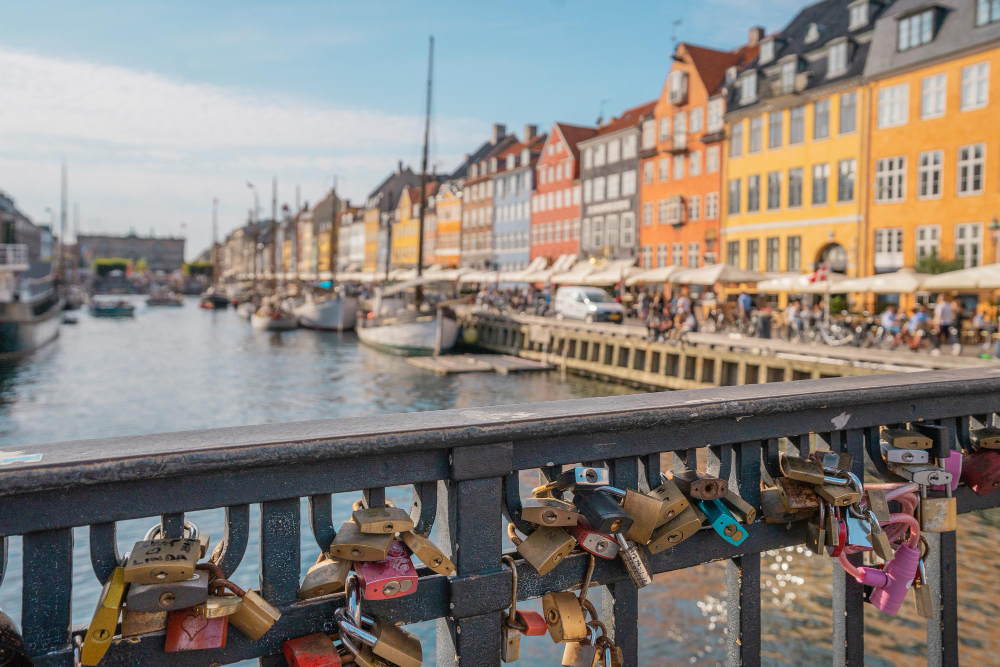
The capital city and economic hub of Denmark. Copenhagen offers a mix of historic apartments, modern waterfront developments, and high-end residential projects. Areas like Østerbro, Vesterbro, and Islands Brygge are particularly popular for both living and investment. Strong rental demand and limited supply support long-term value growth.
Aarhus
Denmark’s second-largest city and a growing tech and education center. Aarhus combines a youthful population with expanding infrastructure. Property prices are lower than Copenhagen, offering attractive entry points for investors seeking growth potential.
Odense
Located on the island of Funen, Odense is known for its affordability and improving infrastructure. It is a good option for buyers seeking lower property prices while still benefiting from urban amenities and connectivity.
Aalborg
A northern city with a strong university presence and evolving economy. Aalborg has seen regeneration in recent years, with modern housing developments and increasing investor interest.
North Zealand (Nordsjælland)
An affluent region north of Copenhagen known for coastal properties, forests, and luxury homes. Popular with families and high-net-worth buyers seeking proximity to the capital with more space and privacy.
Southern Denmark & Countryside Areas
Rural regions and smaller towns offer significantly lower property prices. Ideal for buyers looking for holiday homes, farmhouses, or long-term lifestyle relocation rather than rental-focused investments.
What Can You Buy?
Apartments (Ejerlejlighed)
The most common property type in cities. These are individually owned apartments within a shared building. Popular in Copenhagen and Aarhus, offering strong rental demand and liquidity.
Cooperative Housing (Andelsbolig)
A unique Danish model where buyers purchase shares in a housing association rather than owning the property outright. These are often more affordable but come with restrictions on resale and pricing.
Detached Houses (Villa)
Standalone homes typically found in suburban and rural areas. Ideal for families and long-term living, offering more space and privacy.
Townhouses (Rækkehus)
Row houses that combine affordability with space efficiency. Common in suburban areas and popular with families.
Holiday Homes (Sommerhus)
Vacation properties located near coastal or scenic areas. These are subject to specific rules, especially for non-residents, but are attractive for lifestyle buyers.
New-Build Developments
Modern, energy-efficient buildings with contemporary design. These are increasingly popular in urban areas and often meet high sustainability standards.
The Buying Process in Denmark
Property Search and Offer
Buyers typically work with a real estate agent to identify suitable properties. Once a property is selected, an offer is submitted to the seller.
Purchase Agreement (Købsaftale)
A legally binding agreement is drafted outlining price, conditions, and timelines. Buyers usually have a short cooling-off period after signing.
Hire a Lawyer (Advokat)
It is standard practice to engage an independent property lawyer to review the contract, check legal documents, and ensure buyer protection.
Financing Approval
If financing is required, buyers secure mortgage approval. Danish mortgage systems are well-developed and offer competitive rates for eligible buyers.
Deposit and Completion
A deposit is paid, and the remaining balance is transferred at closing. Ownership is registered in the Danish Land Registry.
Registration (Tinglysning)
The transaction is officially recorded, and the buyer becomes the legal owner of the property.
Professional note: Denmark’s property system is highly transparent, and legal oversight ensures strong buyer protection throughout the process.
Costs, Taxes, and Ongoing Charges
Buyers should account for additional costs beyond the purchase price:
Registration Fee: Fixed fee plus a percentage of the purchase price
Legal Fees: Typically 0.5% to 1% depending on complexity
Real Estate Agent Fees: Usually paid by the seller
Mortgage Costs: Applicable if financing is used
Property Taxes: Annual municipal property taxes apply
Denmark does not offer the same tax exemptions as some southern European countries, but the system is predictable and stable.
Ongoing Costs include:
Property tax (Ejendomsskat)
Maintenance and utilities
Association fees for apartments or shared housing
Insurance
Capital gains tax may apply depending on how the property is used, but primary residences are often exempt under certain conditions.
Renting Out Your Danish Property
Long-Term Rentals
Denmark has strong demand for rental housing, particularly in Copenhagen and Aarhus. Long-term leases are common and provide stable income.
Short-Term Rentals
Short-term rentals are regulated and may require registration or compliance with local rules. Restrictions vary depending on municipality and property type.
Yields
Rental yields are generally moderate, ranging between 3% and 5%, with stronger stability rather than high returns.
Tenant Protection
Denmark has strong tenant rights, which provides stability but requires landlords to follow strict regulations.
Residency & Legal Structuring
Residency Requirements
Non-EU buyers typically need permission from the Danish Ministry of Justice to purchase property unless they meet specific residency criteria.
EU Buyers
EU citizens can purchase property more easily, especially if they plan to reside in Denmark.
Corporate Ownership
Property can be purchased through companies, but regulations apply depending on usage and ownership structure.
Inheritance
Denmark has inheritance tax, and estate planning should be considered for long-term ownership.
Legal Structuring
Buyers often purchase in their personal name, but professional advice is recommended for tax efficiency and compliance.
Construction Standards, Energy, and Infrastructure
Build Quality
Denmark is known for high construction standards, with a strong focus on durability, design, and sustainability.
Energy Efficiency
Energy performance certificates are mandatory, and many new buildings meet advanced environmental standards.
Sustainability
Green building practices and renewable energy integration are widely adopted, making Denmark a leader in sustainable housing.
Infrastructure
Denmark offers excellent infrastructure, including public transport, roads, healthcare, and digital connectivity.
Buyer Safeguards and Best Practices
Work with licensed real estate agents familiar with local regulations
Always hire an independent lawyer to review contracts
Understand zoning rules and property restrictions
Check energy ratings and maintenance requirements
Be aware of rental regulations before purchasing for investment
Confirm eligibility if you are a non-resident buyer
Denmark’s transparent system reduces risk, but professional guidance remains essential.
How We Help at Buyeuropeanproperty.com
At Buyeuropeanproperty.com, we guide you through every stage of buying property in Denmark — from identifying the right region to navigating legal requirements and securing your investment.
We assist with:
Property sourcing based on your goals
Legal due diligence and contract review
Market insights and investment strategy
Coordination with local agents and lawyers
Post-purchase support and property management
Whether you are looking for a city apartment in Copenhagen, a growth opportunity in Aarhus, or a peaceful countryside home, we connect you with trusted professionals and curated opportunities.
Ready to Explore Property for Sale in Denmark?
Start by defining your objective — whether it is lifestyle relocation, stable investment, or long-term asset diversification.
Denmark offers a unique combination of transparency, stability, and quality living within a highly developed European market.
From modern urban apartments to scenic coastal homes, Denmark provides a secure and structured environment for property ownership — backed by strong institutions and long-term value potential.