Strategic Central European Living with Growth Potential in the Heart of the EU
Poland’s property market has steadily evolved into one of Europe’s most compelling investment destinations, offering economic resilience, strong domestic demand, and attractive pricing compared to Western Europe. As a member of the European Union with a rapidly growing economy, Poland provides a stable legal framework, expanding infrastructure, and a dynamic urban landscape that continues to attract both local and international buyers.
Whether you are considering a modern apartment in Warsaw, a historic residence in Kraków, or a coastal property in Gdańsk, Poland combines affordability with long-term capital appreciation potential. It is a market that balances lifestyle appeal with solid investment fundamentals.
This guide covers the key buying regions, property types, legal processes, taxes, rental opportunities, and strategic considerations to help you confidently invest in property for sale in Poland.
Why Buy Property in Poland?
Poland stands out as one of Europe’s fastest-growing economies, with consistent GDP growth, low unemployment, and increasing foreign investment. Its real estate market reflects this strength, offering competitive entry prices and rising demand across major cities.
Key reasons to consider Poland:
Strong economic growth and political stability within the EU
Competitive property prices compared to Western European markets
High demand for rental housing driven by urbanization and student populations
No restrictions for EU buyers purchasing residential property
Growing interest from international investors and expats
Modern infrastructure, transport connectivity, and business expansion hubs
Poland attracts buyers from across Europe, as well as investors from the UK, Germany, Scandinavia, and increasingly from Asia and the Middle East.
Where to Buy: Prime Regions and Investment Zones
Warsaw
Śródmieście (city center) and Mokotów are particularly popular for professionals, while emerging districts like Wola offer strong appreciation potential.
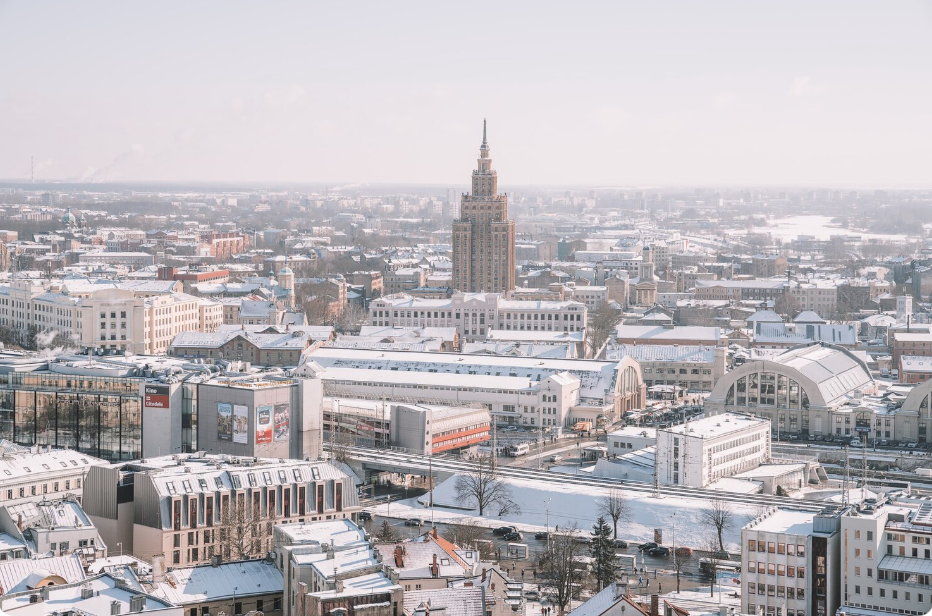
The capital city and financial hub of Poland. Warsaw offers a mix of modern high-rise apartments, business districts, and established residential neighborhoods. It has the strongest rental demand and is ideal for long-term investment and corporate tenants.
Kraków
A historic city with strong tourism and academic demand. Kraków is known for its preserved architecture, cultural appeal, and consistent rental income opportunities.
The Old Town and Kazimierz areas are popular for short-term rentals, while newer developments cater to long-term tenants and students.
Wrocław
A fast-growing city with a strong tech and education sector. Wrocław attracts young professionals and international companies, making it a solid choice for rental investments.
Property prices remain relatively accessible, with good upside potential as the city continues to expand.
Gdańsk, Gdynia & Sopot (Tricity)
Poland’s coastal region offers a unique mix of lifestyle and investment appeal. Gdańsk is a historic port city, Gdynia is modern and business-focused, and Sopot is a premium resort destination.
These cities are particularly attractive for holiday rentals and second homes, with strong seasonal demand.
Poznań
A commercial and academic center with stable demand. Poznań offers a balanced market with moderate prices and consistent rental yields, especially among students and young professionals.
Łódź
An emerging market undergoing regeneration. Once an industrial hub, Łódź is now transforming into a creative and business center, offering lower entry prices and high growth potential.
What Can You Buy?
Modern Apartments
The most common property type in Poland. New-build apartments in urban developments often include underground parking, elevators, and security features. These are ideal for rental income and resale.
Historic Apartments
Found mainly in Kraków, Gdańsk, and central Warsaw. These properties offer character, high ceilings, and architectural charm, often appealing to lifestyle buyers and short-term rental investors.
Family Homes & Suburban Houses
Located on the outskirts of major cities. These properties offer more space, gardens, and privacy, making them popular with families and long-term residents.
Luxury Properties
Premium apartments and villas are available in prime districts of Warsaw and coastal regions. These properties cater to high-net-worth individuals and expats seeking high-end living standards.
New Developments
Poland has a strong pipeline of new residential projects. Developers often offer flexible payment plans, modern layouts, and energy-efficient construction.
The Buying Process in Poland
Property Selection & Reservation
Once you identify a property, you may sign a reservation agreement and pay a small deposit to secure it.
Preliminary Agreement (Umowa Przedwstępna)
This legally binding contract outlines the purchase terms, price, and completion timeline. A deposit of around 10% is typically required.
Legal Due Diligence
A notary or lawyer verifies the property’s legal status, ownership, land registry, and any encumbrances.
Final Notarial Deed
The transaction is completed in the presence of a notary, who formalizes the transfer of ownership.
Land Registry Update
The new ownership is registered in the official land and mortgage register.
Professional note: In Poland, notaries play a central role in ensuring the legality and security of property transactions.
Costs, Taxes, and Ongoing Charges
Buyers should budget approximately 5–8% above the purchase price:
Property Transfer Tax (PCC): 2% for resale properties
VAT: 8% for new residential properties (usually included in the price)
Notary Fees: Approximately 1–2% depending on property value
Legal Fees: Optional but recommended
Land Registry Fees: Relatively minimal
Ongoing Costs:
Maintenance fees (czynsz) for apartments
Utilities and insurance
Property management fees (if renting out)
Capital gains tax may apply on resale, depending on ownership duration and residency status.
Renting Out Your Polish Property
Short-Term Rentals
Popular in tourist cities like Kraków and Gdańsk. However, regulations are tightening in some areas, and compliance with local laws is essential.
Long-Term Rentals
Highly востребованы among students, professionals, and expats. Lease agreements typically run for 12 months and provide stable income.
Yields
Gross rental yields generally range between 4% and 6%, depending on location, property type, and management efficiency.
Taxation
Rental income is taxed under simplified regimes, often at flat rates, making it relatively straightforward for investors.
Residency & Legal Structuring
EU Buyers
Citizens of EU countries can freely purchase residential property in Poland without restrictions.
Non-EU Buyers
May require a permit from the Ministry of the Interior for certain types of property, particularly land or houses.
Residency
Owning property does not automatically grant residency, but Poland offers various visa and residency pathways for investors, entrepreneurs, and workers.
Ownership Structure
Most buyers purchase in their personal name. Corporate ownership is possible but typically used for larger investment portfolios.
Inheritance
Poland has inheritance tax rules depending on the relationship between the deceased and the beneficiary, with exemptions available for close family members.
Construction Standards, Energy, and Infrastructure
Build Quality
Modern developments adhere to EU construction standards, offering good insulation, soundproofing, and energy efficiency.
Energy Ratings
Energy performance certificates are required for most transactions, reflecting growing emphasis on sustainability.
Infrastructure
Poland has significantly improved its infrastructure, including highways, rail networks, and airports. Major cities are well-connected domestically and internationally.
Internet and utilities are reliable, supporting both residential living and remote work.
Buyer Safeguards and Best Practices
Work with licensed real estate agents familiar with local regulations
Use an independent lawyer or notary for due diligence
Verify land registry records and ownership status
Understand zoning laws and building regulations
Check developer reputation when purchasing new builds
Ensure compliance with rental regulations if planning to lease
Taking these steps ensures a smooth and secure transaction.
How We Help at Buyeuropeanproperty.com
At Buyeuropeanproperty.com, we guide you through every stage of buying property in Poland. From identifying high-growth locations to managing legal processes and post-purchase services, we provide end-to-end support tailored to your goals.
Whether you are looking for a rental apartment in Warsaw, a heritage property in Kraków, or a coastal investment in Gdańsk, we connect you with trusted professionals and carefully selected opportunities.
We also assist international buyers with structuring purchases, understanding tax implications, and optimizing long-term investment strategies.
Ready to Explore Property for Sale in Poland?
Start by defining your objective, whether it is rental income, capital appreciation, or lifestyle relocation.
With its strong economy, competitive pricing, and growing international appeal, Poland offers a balanced and accessible entry point into the European property market.
From vibrant city apartments to coastal retreats and emerging urban hubs, Poland presents a compelling opportunity for investors seeking stability, growth, and long-term value in the heart of Europe.