
Strategic Living with Economic Strength in the Heart of Europe
Germany’s property market offers a compelling mix of economic resilience, legal security, strong tenant demand, and long-term stability — all within one of the world’s most powerful economies. Whether you’re considering a modern apartment in Berlin, a historic townhouse in Munich, or a family home in Frankfurt, Germany delivers both lifestyle benefits and reliable investment potential.
This guide covers the key buying regions, property types, legal process, taxes, rental opportunities, and strategic considerations to help you invest in German property with clarity and confidence.
Why Buy Property in Germany?
Germany is widely regarded as one of Europe’s safest and most stable real estate markets. With a strong economy, low unemployment, and consistent demand for housing, it appeals to both domestic and international investors.
Key reasons to consider Germany:
Stable and mature real estate market with long-term value appreciation
Strong tenant demand driven by urbanisation and population growth
Transparent legal system with high buyer protection
No restrictions on foreign ownership of property
High-quality infrastructure and global connectivity
A robust economy backed by manufacturing, finance, and technology sectors
Growing appeal for international investors seeking diversification
Germany also benefits from a culture of renting, which ensures consistent demand for long-term rental properties, especially in major cities.
Where to Buy: Prime Regions and Investment Zones
Berlin
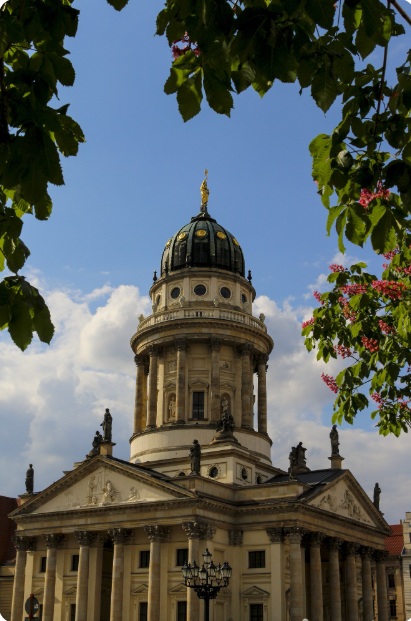
Germany’s capital remains one of Europe’s most dynamic cities. Known for its creative culture, tech startups, and international population, Berlin offers strong rental demand. Districts like Mitte, Kreuzberg, and Prenzlauer Berg are popular for both lifestyle buyers and investors.
Munich
One of Germany’s wealthiest cities, Munich offers premium real estate with strong capital appreciation. It is a hub for finance, engineering, and global corporations. Property prices are among the highest in Germany, but so is long-term stability.
Frankfurt
Germany’s financial center and home to the European Central Bank. Frankfurt attracts professionals from across the world, making it ideal for rental investments. Areas like Westend and Sachsenhausen are particularly sought after.
Hamburg
A major port city with strong economic activity. Hamburg offers a mix of waterfront living, modern developments, and historic architecture. It is known for high quality of life and steady property demand.
Düsseldorf & Cologne
These cities offer more affordable entry points compared to Munich and Frankfurt while still providing strong rental demand. They are attractive for investors targeting mid-range properties.
Secondary Cities and Suburbs
Cities like Leipzig, Stuttgart, and Nuremberg are gaining popularity due to lower prices and growing economies. Suburban areas around major cities also provide good value for family homes and long-term investments.
What Can You Buy?
Apartments (Eigentumswohnungen)
The most common property type in Germany. Apartments range from compact city studios to large family units. Ideal for rental income and relatively easy to manage.
Historic Buildings (Altbau)
Pre-war buildings with high ceilings, large windows, and classic architecture. These properties are highly desirable, especially in cities like Berlin and Hamburg.
Modern Developments (Neubau)
New-build properties offering energy efficiency, modern layouts, and amenities like parking and elevators. These are increasingly popular among investors and first-time buyers.
Single-Family Homes (Einfamilienhaus)
Common in suburban areas. Ideal for families seeking space and privacy. These properties are less common in city centers.
Multi-Family Buildings (Mehrfamilienhaus)
Entire residential buildings with multiple rental units. Typically purchased by experienced investors seeking long-term income streams.
The Buying Process in Germany
Property Purchase Agreement (Kaufvertrag)
Once a property is selected, a purchase agreement is drafted by a notary. This contract outlines all terms, including price, payment schedule, and conditions.
Notary Appointment
The notary plays a central role in Germany. Both buyer and seller attend the signing, and the notary ensures legal compliance and transparency.
Deposit and Payment
Unlike some countries, deposits are not always required upfront. Full payment is typically made after the contract is notarized and all conditions are met.
Land Register Entry (Grundbuch)
Ownership is officially transferred once the buyer is registered in the land registry. This process ensures full legal ownership.
Final Transfer
After registration, the buyer receives full ownership rights. The process usually takes 6 to 12 weeks.
Professional note: The involvement of a notary is mandatory in Germany, ensuring a high level of legal security for both parties.
Costs, Taxes, and Ongoing Charges
Buyers should plan for additional costs of around 10–15% of the purchase price:
Property Transfer Tax: 3.5% to 6.5% depending on the federal state
Notary and Registration Fees: Approximately 1.5% to 2%
Agent Fees: Typically 3% to 7%, often shared between buyer and seller
Legal Fees: Minimal, as the notary handles most legal work
Ongoing Costs:
Property management fees (if applicable)
Maintenance and repairs
Insurance
Utilities and service charges
Germany does not have a wealth tax, but property owners may be subject to property tax (Grundsteuer), which is relatively low.
Renting Out Your German Property
Long-Term Rentals
Germany has a strong rental culture, with a large portion of the population renting rather than owning. Long-term leases are common and provide stable, predictable income.
Short-Term Rentals
Short-term rentals are heavily regulated in cities like Berlin and Munich. Investors should check local laws before planning holiday rentals.
Rental Yields
Gross rental yields typically range from 3% to 5% in major cities, with higher yields possible in secondary markets.
Tenant Protection
Germany has strong tenant protection laws, which provide stability but also require landlords to follow strict regulations.
Financing and Mortgages
Foreign buyers can access financing from German banks, although conditions may vary.
Typical financing terms:
Loan-to-value ratios of 60% to 80%
Competitive interest rates compared to global markets
Requirement for proof of income and financial stability
Many international investors choose to finance locally to benefit from low interest rates.
Legal and Tax Considerations
Ownership Structure
Property can be purchased in an individual’s name or through a company structure, depending on investment strategy.
Income Tax
Rental income is subject to German income tax, with deductions available for expenses and depreciation.
Capital Gains Tax
If the property is sold within 10 years, capital gains tax may apply. After 10 years, gains are generally tax-free for private investors.
Inheritance
Germany has inheritance tax, but rates vary depending on the relationship between parties and the value of the property.
Construction Standards, Energy, and Infrastructure
Build Quality
Germany is known for high construction standards. Both new and old buildings are built to last, with strict regulations.
Energy Efficiency
Energy performance certificates are mandatory. New builds are highly energy efficient, while older properties may require upgrades.
Infrastructure
Germany offers excellent infrastructure, including public transport, highways, and international airports. This adds to property value and desirability.
Buyer Safeguards and Best Practices
Always work with a qualified notary to ensure legal compliance
Verify property details through the land registry
Understand local rental laws before investing
Factor in all additional costs when budgeting
Consider long-term strategy rather than short-term gains
Germany’s transparent system makes it one of the safest places to invest in property, provided due diligence is followed.
How We Help at Buyeuropeanproperty.com
At Buyeuropeanproperty.com, we simplify your German property journey — from identifying high-potential locations to managing legal processes, tax planning, and property management.
Whether you are looking for a rental apartment in Berlin, a premium residence in Munich, or an investment opportunity in a growing city, we connect you with trusted professionals and curated listings.
We also assist international buyers with structured investments aligned with long-term financial goals and market trends.
Ready to Explore Property for Sale in Germany?
Start with your objective — whether it is steady rental income, capital preservation, or portfolio diversification.
Germany offers a rare combination of stability, transparency, and economic strength, making it one of Europe’s most reliable property markets.
With the right strategy and guidance, investing in German real estate can provide both security and consistent returns in the long term.