
For many overseas buyers, the easiest European country to buy property in is not the one with the fewest forms. It is the place where they can legally own the right home, understand the process, arrange funding and complete the necessary checks without surprises. Those conditions vary with nationality, residence and property type.
Spain, Portugal and France are sensible markets to investigate for many foreign buyers purchasing ordinary residential homes. That does not make every transaction simple or every buyer eligible. Begin with Buy European Property’s homes and practical guidance, then compare the legal process with your own circumstances.
WHAT DOES “EASIEST TO BUY” REALLY MEAN?
Break the question into six parts: permission to own, administrative steps, finance, clarity of title, transaction costs and your ability to use the property as intended. A country can be straightforward in one category and demanding in another.
A cash buyer considering a completed apartment faces a different process from a non-resident seeking a mortgage on agricultural land. A new-build reservation may appear easy at first but require careful checks on the developer, guarantees and completion terms.
Also separate buying from moving. You may be able to own a house while remaining subject to visitor limits. If relocation is the goal, the rules on living in Europe after buying a house should be part of the first comparison, not an afterthought.
START WITH YOUR OWN BUYER PROFILE
Write down your citizenships, current country of residence, source of funds and intended ownership structure. Say whether you will buy alone, with a partner or through a company. Different rules can apply even when the property itself is unchanged.
Then describe the use: holidays, a principal home, retirement, long-term letting or short stays for guests. Ownership permission does not establish the right to operate a holiday rental, make alterations or work from the country.
Share this information with an independent local lawyer before paying a reservation fee. The point is not to collect unnecessary paperwork. It is to identify early whether your personal position or the property category creates an approval requirement.
SPAIN: ACCESSIBLE FOR MANY BUYERS, WITH LOCAL CHECKS
Spain is a practical country to investigate because many foreign nationals can purchase ordinary residential property. The process commonly involves obtaining a foreigner identification number, arranging funds, checking the property and completing before a notary.
An identification number is an administrative requirement, not proof that a home is safe to buy. Your lawyer should examine registered ownership, charges, planning status, relevant licences and the terms of any deposit or private contract.
There can be additional considerations in particular locations or for particular buyers. Ask specifically about protected or strategically sensitive areas where relevant, rather than assuming a general statement about foreign ownership covers every property.
For an apartment, investigate the owners’ community and any outstanding or planned charges. For a coastal home, ask about coastal-law implications where applicable. A polished listing cannot answer those legal questions.
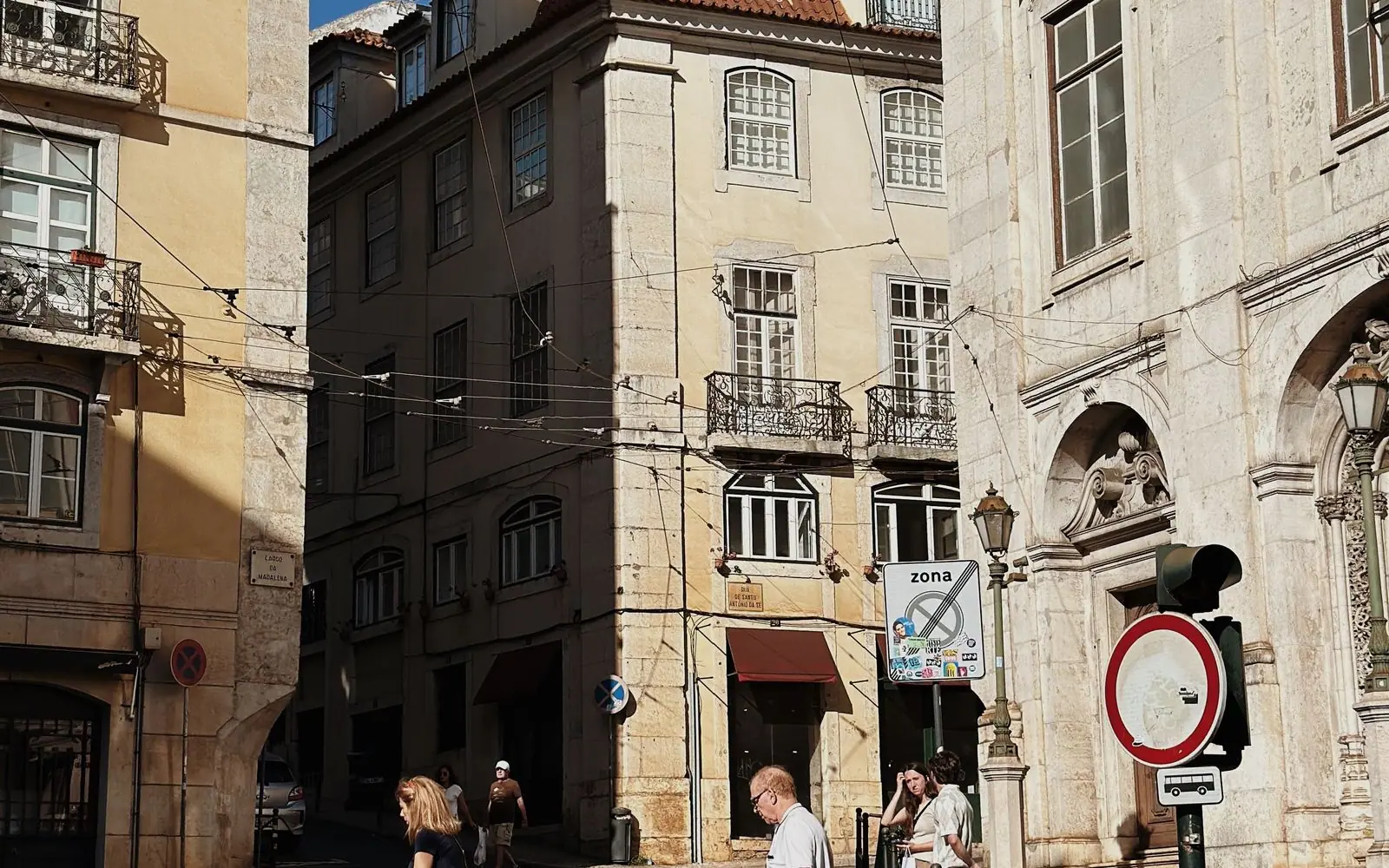
PORTUGAL: A CLEAR SEQUENCE DOES NOT REMOVE DUE DILIGENCE
Portugal is another market many foreign buyers consider. A typical purchase involves tax identification, checks on the property, contractual arrangements and formal completion and registration. The exact sequence and documents should be explained by your independent adviser.
Ask whether the registered description matches what you see, whether alterations were authorised and what licences or exemptions apply. Review any preliminary purchase agreement carefully, especially deposit obligations and the consequences if either side fails to complete.
Older homes, rural plots and buildings divided into several units deserve particular attention. An attractive extra bedroom may have a different legal status from the main accommodation. Clarify that before using the total advertised area to compare value.
Portugal’s appeal as a place to buy should also be separated from immigration marketing. Buying residential property is not a current qualifying investment route for a new Portuguese ARI application. Your residence plan needs its own assessment.
FRANCE: STRUCTURE AND DOCUMENTATION MATTER
France can suit buyers who value a formal documentary process, with a notaire involved in completion. That structure is useful, but it should not be mistaken for a personal assessment of whether a home is suitable for your household.
Understand the preliminary contract, its conditions and any applicable cancellation rights before signing. Obtain advice on financing conditions, required diagnostic reports and any rights affecting the property.
For shared buildings, examine co-ownership charges and proposed works. For a rural house, check access, services and the condition of private drainage where relevant. The easiest purchase is often the one whose documentation and physical condition are already well understood.
If you need separate representation or translation, arrange it. Do not rely on a quick explanation of a long contract when significant money and obligations are involved.
ITALY: THE PROPERTY’S LEGAL CONDITION IS CENTRAL
Italy offers many possible settings, but the buyer’s nationality and the property’s status need careful attention. Reciprocity can matter for some non-EU buyers, while existing residence rights or other circumstances may affect the analysis.
Your advisers should confirm eligibility and check planning and cadastral conformity, ownership, charges and any rights of others. For an older or rural home, establish exactly which structures form part of the lawful residential accommodation.
A cheap restoration project is not necessarily an easy first overseas purchase. Permissions, surveys, contractor coordination and unforeseen works can increase complexity substantially. A completed, documented home may be a better fit even if its asking price is higher.
CYPRUS: BUILD THE APPROVAL QUESTION INTO THE TIMETABLE
Cyprus is worth considering for many buyers, including those seeking a home around Paphos. However, non-EU buyers may face acquisition approval requirements. Ask your own lawyer how the rules apply to your nationality, ownership structure and property.
Title, existing charges, planning permissions and the contract deserve independent review. Establish whether separate title documentation is available and what protection and practical obligations apply to the transaction you are considering.
Do not assume an estate agent’s estimate of completion includes every approval or administrative stage. Ask for a timetable that distinguishes legal commitment, payment, possession and registration, and explains what happens if a step is delayed.
WHY DENMARK IS NOT A UNIVERSALLY EASY OPTION
Denmark shows why personal circumstances matter more than a general country label. The official rule is that buyers without domicile in Denmark under the relevant Act, or without at least five years’ previous residence, generally need permission to acquire real property.
The Danish Department of Civil Affairs explains the acquisition rules clearly. Its guidance is a useful model for checking an official authority before relying on a broad “foreigners can buy” statement.
Exceptions and the intended use can affect the position. Have a specialist confirm the route for the exact purchase, particularly a holiday home. An efficient housing market is not the same thing as unrestricted access for every overseas buyer.

FINLAND AND SWITZERLAND: CHECK THE PROPERTY CATEGORY
Finland generally requires buyers from outside the EU and EEA to obtain a permit for direct real-estate purchases. Its Ministry of Defence guidance also describes exceptions, including transactions involving housing-company shares, and separate arrangements for Åland.
That distinction matters: buying an apartment through housing-company shares is not the same legal transaction as buying a parcel of real estate. Additional nationality-specific restrictions can also apply. Avoid treating either “Finland allows buyers” or “Finland needs permission” as the complete answer.
Switzerland has its own restrictions under Lex Koller. Nationality, residence status, location and property use can affect whether a purchase is possible or needs authorisation. Consult the relevant cantonal authority and an independent adviser before treating a Swiss holiday home as an easy purchase.
CASH PURCHASE OR MORTGAGE: WHICH IS SIMPLER?
Cash can remove the lender’s approval process, but it does not remove legal checks, proof-of-funds requirements or responsibility for choosing a sound property. A cash buyer can still face delays if documents are incomplete or the source of funds is not clear.
For a mortgage, discuss eligibility before committing to a home. Non-resident lending criteria, deposit requirements and acceptable income can differ from those in your home country. An online repayment estimate is not a binding loan offer.
Make sure the contract reflects any finance condition you need. Otherwise, a delayed or refused mortgage could leave you with contractual obligations you cannot comfortably meet. Get those risks explained in writing.
HOW LONG SHOULD YOU ALLOW?
There is no reliable single completion time for Europe. A transaction may depend on title documents, finance, permissions, probate, building issues or the parties’ ability to sign. New builds also depend on construction and the terms governing delivery.
Ask your lawyer to separate tasks that can happen in parallel from those that must happen in sequence. Identification documents, translations, bank checks and powers of attorney may be arranged early, while property-specific investigations require a clear target.
Leave room for delays when booking travel or planning a move. A target completion date is useful, but should not be treated as a promise until the necessary conditions and practical arrangements are clear.
THE EASIEST HOME IS NOT ALWAYS THE CHEAPEST HOME
A lower asking price can reflect work, legal uncertainty or limited demand rather than a straightforward bargain. A completed home with sound documents and manageable running costs may create fewer surprises than a complicated project.
Use our house prices in Europe by country guide to understand national trends without mistaking them for a valuation. Then compare similar homes in the same local market and budget for acquisition costs and repairs.
The search source matters too. Our guide to European real estate websites explains how to recognise duplicate adverts and ask for information that helps separate an appealing listing from a genuinely suitable purchase.
A SIMPLE FRAMEWORK FOR YOUR COUNTRY SHORTLIST
Give each candidate country a written assessment against your own requirements. Avoid invented numerical rankings that suggest precision you do not have. “Confirmed”, “needs advice” and “not suitable” are often more useful categories.
Keep the assessment short enough to use during a call with your advisers. Note who confirmed each answer and when. An approval rule checked for a different buyer, an old mortgage illustration or a neighbour’s experience should not quietly become a verified fact about your own transaction.
- Can someone with your nationality and residence status own this property type?
- Are the intended use and any letting plans permitted?
- Is the total purchase and ownership budget realistic?
- Can you obtain suitable finance if needed?
- Are the legal documents and property condition satisfactory?
- Can you lawfully spend the amount of time there that you intend?
If an answer is unknown, investigate it rather than assigning an optimistic score. The aim is a shortlist that survives legal and financial scrutiny, not a country that wins a marketing comparison.
WHAT TO SEND BEFORE ARRANGING VIEWINGS
Prepare a brief with your location preferences, euro budget, property type, intended use and timing. Explain whether you need a mortgage, whether relocation is involved and which accessibility or family requirements cannot be compromised.
You can ask us about a European property purchase with that information. We can discuss the homes we present in Portugal, Spain and Cyprus, confirm current details and identify questions for your independent legal and financial advisers.
The best answer to “which country is easiest?” is ultimately personal: the country where your eligibility, property, budget and plans fit together. Clear advice and good preparation make more difference than any promise of a paperwork-free purchase.
This article is general information, not legal, immigration, mortgage or tax advice. Rules and administrative practice can change. Confirm your position and the property’s status before signing or paying a deposit.
Next step
Talk it through with us