Author: Laurence Rapp

  • Property for Sale in Malta

    Strategic Island Living with Investment Stability in the Heart of the Mediterranean

    Malta’s property market offers a rare combination of political stability, robust legal protections, strong demand, and EU residency opportunities — all on a sun-soaked island with centuries of cultural depth and English as an official language. Whether you’re considering a waterfront apartment in Sliema, a restored townhouse in Valletta, or a villa in Gozo, Malta delivers on both lifestyle and long-term investment value.

    This guide covers the key buying regions, property types, residency and tax advantages, legal steps, and strategic considerations to help you invest in Maltese property with confidence.


    Why Buy Property in Malta?

    Malta is a microstate with macro appeal — a member of the EU and Eurozone, offering a secure legal framework, competitive taxation, and excellent international connectivity. It is particularly attractive for high-net-worth individuals, retirees, and investors seeking EU residency or a base for corporate relocation.

    Key reasons to consider Malta:

    • Property is a national asset class: over 80% homeownership rate and limited supply
    • English-speaking population and legal system based on British law
    • One of Europe’s most residency-friendly programs (permanent or investment-linked)
    • No annual property tax, no wealth tax, no inheritance tax
    • Capital gains exemptions for primary residences under certain conditions
    • Strong demand for both short and long-term rentals, especially in expat and tourism hubs

    Malta consistently attracts buyers from the UK, France, Italy, Scandinavia, South Africa, and the Middle East.


    Where to Buy: Prime Regions and Investment Zones

    Sliema & St. Julian’s

    The commercial and social heart of modern Malta. Known for seafront apartments, lifestyle complexes, and rental yield. A favourite for expats, digital workers, and tourists. Tigné Point and Portomaso are flagship developments with concierge services, marina access, and investment-grade appeal.

    Valletta

    A UNESCO-listed capital with a growing number of restored townhouses and boutique apartments. Valletta offers limited supply, unique heritage properties, and premium pricing with high rental demand.

    The Three Cities (Vittoriosa, Senglea, Cospicua)

    These historic waterfront districts are undergoing significant regeneration. Rich in character and positioned for long-term value appreciation as tourism and cultural funding expand.

    Gozo

    The second island of the Maltese archipelago. A quieter, more rustic environment popular with retirees and buyers seeking countryside villas, farmhouses, and boutique renovation projects. Strong short-let demand during the summer months.

    Mellieħa, Bugibba & St. Paul’s Bay

    Northern Malta’s resort towns — attractive to holiday-home buyers and investors targeting high rental yields during tourist season.

    Madliena, Attard & Balzan

    Upscale, low-density neighbourhoods with detached villas, often with private pools and landscaped gardens. Preferred by families, diplomats, and buyers seeking privacy with proximity to international schools and city infrastructure.


    What Can You Buy?

    Waterfront Apartments

    Modern, high-spec properties in developments like Tigné Point, Fort Cambridge, and Portomaso. Expect amenities such as pools, gyms, parking, and sea views. Ideal for rental yield and long-term capital preservation.

    Townhouses & Heritage Properties

    Character homes in Valletta and the Three Cities. Many feature original limestone, internal courtyards, and rooftop terraces. Strong demand for sensitively restored units from lifestyle and boutique rental buyers.

    Villas & Detached Homes

    Available primarily in Madliena, Attard, and outskirts of Naxxar. Typically include larger plots, swimming pools, and views. Fewer available, maintaining exclusivity and long-term demand.

    Farmhouses & Country Homes (Gozo)

    Often with traditional Maltese architecture, rustic features, and panoramic views. Excellent for retreat-style living or holiday lettings.

    New-Build & Lifestyle Developments

    Luxuriously designed units with concierge services and investor-friendly amenities. Purchase restrictions are minimal in Special Designated Areas (SDAs), allowing non-residents to buy multiple properties.


    The Buying Process in Malta

    1. Select a Property & Sign a Preliminary Agreement
      Known as the “Promise of Sale” (Konvenju), this contract is binding and includes deposit terms (typically 10%) and the agreed price. It’s valid for a fixed period (usually 3 months).
    2. Engage a Local Notary Public
      The notary conducts due diligence, including title search, permits, legal status of the property, and tax assessments.
    3. Apply for AIP Permit (if required)
      Non-EU nationals purchasing outside Special Designated Areas need an Acquisition of Immovable Property (AIP) permit, typically granted within 6–8 weeks.
    4. Sign the Final Deed & Complete Payment
      Once all conditions are met, both parties sign the final deed of sale at the notary’s office. Full payment and stamp duty are settled, and the transaction is registered.
    5. Land Registry & Final Registration
      The notary registers the new ownership and submits all required documents to the public registry and land office.

    Professional note: The entire process is legally safeguarded, and it’s standard to work with both an estate agent and notary for full buyer protection.


    Costs, Taxes, and Ongoing Charges

    Buyers should budget for an additional 6–8% on top of the purchase price for taxes and fees:

    • Stamp Duty: 5% (reduced to 1.5% in certain circumstances for Maltese residents on first-time purchase)
    • Notary Fees: Usually between 1–2%
    • Legal Fees: Often bundled with notarial costs
    • AIP Permit Fee: €233 (for non-EU buyers where applicable)
    • No annual property tax or wealth tax
    • Ongoing Costs: Condominium fees (if applicable), insurance, and utilities

    Capital gains tax may apply on sale, but primary residences are typically exempt if held for over three years.


    Renting Out Your Maltese Property

    • Short-Term (Holiday Let) Rentals:
      Requires a licence under Malta’s “holiday premises” regulation. High demand in Sliema, Valletta, and St. Julian’s. Licensing ensures compliance with safety, zoning, and tax obligations.
    • Long-Term Rentals:
      Popular with professionals, diplomats, and international students. Lease contracts typically run for 12 months and offer predictable returns.
    • Yields:
      Depending on location and property type, gross rental yields typically range from 4% to 7%.
    • Taxation:
      Rental income is taxed at a flat 15% rate for residents and non-residents who opt for the special tax regime.

    Residency & Legal Structuring

    • Permanent Residency Programs:
      Malta offers several routes, including the Malta Permanent Residence Programme (MPRP) and the Global Residence Programme. Both require property investment and a clean background check.
    • Citizenship by Investment:
      Requires a combination of donation, bond investment, and property purchase or rental. Heavily vetted and capped in volume.
    • Structuring Options:
      Non-residents can purchase through personal names or via investment vehicles (subject to restrictions). Malta also permits buy-to-let ownership via foreign companies in some cases.
    • Inheritance:
      No inheritance tax, gift tax, or estate duty in Malta. Stamp duty may apply depending on the recipient.

    Construction Standards, Energy, and Infrastructure

    • Build Quality:
      Most new builds conform to EU energy standards. Limestone construction offers thermal mass but may require additional insulation in older homes.
    • Energy Ratings:
      Energy performance certificates (EPCs) are mandatory for all sales and rentals.
    • Utilities & Infrastructure:
      Reliable electricity, water, and fibre-optic internet access island-wide. Malta has an international airport and robust ferry services between Malta and Gozo.

    Buyer Safeguards and Best Practices

    • Always work with a licensed estate agent registered with the Malta Developers Association (MDA)
    • Use an experienced, independent notary for all legal and regulatory matters
    • Confirm whether the property is in an SDA (Special Designated Area) if you plan multiple purchases
    • Inspect the legal status, building permits, and any heritage protection designations
    • Avoid unlicensed short-let arrangements to remain fully compliant

    How We Help at Buyeuropeanproperty.com

    At Buyeuropeanproperty.com, we simplify your Maltese property journey — from identifying strategic locations to securing legal due diligence, tax optimisation, and post-completion property management.

    Whether you’re seeking an income-generating apartment in Sliema, a boutique renovation in Valletta, or a peaceful retreat in Gozo, we connect you with vetted professionals, curated listings, and trusted legal experts.

    We also support international clients with structured purchases aligned to Malta’s permanent residency, tax planning, or long-term investment strategies.


    Ready to Explore Property for Sale in Malta?

    Start with your objective — lifestyle, tax planning, income generation, or EU residency.

    Contact Buyeuropeanproperty.com for exclusive listings, video tours, strategic insights, and step-by-step guidance.

    From historic townhouses to marina-front residences, Malta offers security, stability, and Mediterranean living with global connectivity — all in one of Europe’s most accessible and financially secure markets.

  • Property for Sale in Portugal

    Scenic Landscape and Coastal Living in One of Europe’s Smartest Property Markets

    Portugal has evolved into a prime location for international buyers, expats, and lifestyle investors seeking both coastal luxury and long-term stability. From Lisbon’s tech-fuelled capital gains to the golden beaches of the Algarve and the wine estates of the Douro, the country blends investment-grade opportunities with world-class lifestyle appeal.

    This guide outlines the key regions, property types, legal framework, and essential considerations for purchasing real estate in Portugal — whether for lifestyle, Golden Visa qualification, or portfolio diversification.


    Why Buy Property in Portugal?

    Portugal remains one of the most attractive and internationally open real estate markets in Europe. It offers a transparent legal system, a low cost of living, and an investment climate that balances growth with risk mitigation.

    Key reasons to invest include:

    • Strong capital growth in Lisbon, Porto, and the Algarve
    • Excellent long-term rental demand from digital nomads, retirees, and tourism
    • Political and legal stability within the EU and Schengen zone
    • High quality of life with modern infrastructure and healthcare

    Portugal also ranks consistently in the top five destinations for British, French, German, US, and Nordic buyers.


    Where to Buy: Key Markets and Regional Insights

    Lisbon

    Portugal’s capital is a magnet for tech entrepreneurs, global investors, and cultural buyers. Strong infrastructure, international schools, and a limited housing supply drive value. Focus areas include Avenida da Liberdade, Príncipe Real, Alfama, and the riverside district of Parque das Nações.

    Porto

    The second city is growing rapidly in price and prestige. With high rental yields, a thriving arts and wine scene, and substantial urban regeneration, Porto is ideal for medium- to long-term investors. Ribeira, Foz do Douro, and Cedofeita are notable hotspots.

    Algarve (Lagos, Vilamoura, Quinta do Lago)

    Portugal’s most famous coastal region offers villas, golf resorts, and holiday apartments. Ideal for lifestyle buyers and second-home investors seeking sun, security, and strong short-term rental income. Quinta do Lago and Vale do Lobo lead the luxury segment.

    Cascais & Estoril

    Just 30 minutes from Lisbon, this area offers high-end homes, beachfront living, and a sophisticated lifestyle. Popular with diplomats, executives, and remote workers looking for space, safety, and quality schooling.

    Comporta & Alentejo Coast

    A rising luxury enclave with eco-conscious developments and boutique resort investment potential. Expect limited supply, premium pricing, and strong future upside.

    Silver Coast (Nazaré, Óbidos, Peniche)

    More affordable than the Algarve, with authentic Portuguese towns and growing expat appeal. Increasing international interest is creating new demand for holiday homes and rentals.

    Madeira & Azores

    Island living with tax incentives, limited inventory, and unique lifestyle value. Ideal for remote workers and long-term second-home ownership.


    What Can You Buy?

    City Apartments

    Historic Lisbon and Porto properties often feature original facades, stone details, and modernised interiors. New-builds and penthouses are available in urban regeneration areas with strong rental appeal.

    Villas and Detached Homes

    From beachfront villas in Cascais to countryside estates near Loulé or Monchique, these properties offer privacy, space, and strong lifestyle or rental value. Pools, sea views, and smart-home upgrades are common.

    New Developments

    Often built to high sustainability standards with energy certification (A-rated), concierge services, and integrated security. Focus on reputable developers and project warranties.

    Quintas and Wine Estates

    Traditional estates and renovated farmhouses with land and character. High potential for tourism conversion, especially in Alentejo and Douro Valley.

    Resort Properties

    Golf-side apartments and branded residences in areas like Vilamoura or Quinta do Lago. Rental management and tourism licensing are often included.


    The Buying Process in Portugal (Step-by-Step)

    1. Reservation & Due Diligence
      Once you select a property, you typically sign a reservation agreement and pay a small deposit to take it off the market. Your lawyer will begin the due diligence process.
    2. Hire a Bilingual Property Lawyer
      Essential for legal validation, including title checks, construction licences, debt clearance, and land registry review. Ensure they are fully independent.
    3. Promissory Contract (Contrato de Promessa de Compra e Venda)
      Once all checks are complete, both parties sign a binding contract and the buyer pays a deposit (usually 10–30%). It includes penalties for non-completion.
    4. Final Deed (Escritura de Compra e Venda)
      Signed before a Portuguese notary. The balance is paid, and ownership is transferred and registered with the Land Registry and Tax Authority.
    5. Registration & Tax Activation
      Post-completion, the property is formally registered and utility/tax accounts are opened in the buyer’s name.

    Professional note: Always obtain a Portuguese Tax Number (NIF) before starting the process — required for banking, legal contracts, and utilities.


    Costs, Taxes, and Ongoing Expenses

    Buyers should expect to add approximately 7–10% to the purchase price for acquisition-related expenses:

    • IMT (Property Transfer Tax): Scaled between 1%–8% depending on use and value
    • Stamp Duty (Imposto de Selo): 0.8% of the purchase price
    • Notary and Registration Fees: Typically €1,000–€2,000 combined
    • Legal Fees: Average 1% (plus VAT)
    • Ongoing Costs: Annual municipal property tax (IMI), condominium fees (for apartments), insurance, utilities, and non-resident tax if applicable

    New-builds attract VAT (23%) instead of IMT — a key distinction for investors structuring purchases.


    Renting Out Your Portuguese Property

    • Short-Term Rentals (Alojamento Local):
      Popular in Lisbon, Porto, and the Algarve. Requires a rental licence (AL), which is subject to municipal regulations. Some urban centres have restricted new licences.
    • Long-Term Rentals:
      Consistent demand from expats, students, and digital professionals. Yields typically range from 3% to 6% net, depending on location.
    • Tax Obligations:
      Rental income must be declared in Portugal. Non-residents pay 28% on net income, though double-taxation treaties and NHR exemptions may apply.

    Tax & Legal Considerations

    • Tax ID (NIF):
      Required to purchase property, open a bank account, and access utilities or legal contracts.
    • Inheritance & Wealth Tax:
      No inheritance tax for direct family. No wealth tax exists in Portugal. Stamp duty may apply.

    Property Quality, Energy Ratings & Infrastructure

    • New Developments:
      Usually meet or exceed EU standards with thermal insulation, smart systems, and low running costs. Energy certificates are mandatory.
    • Older Properties:
      Character-rich but may need renovation or retrofitting. Ensure structural and electrical inspections before purchase.
    • Connectivity:
      Fibre internet, public transport, and access to international airports are well-developed, even in secondary regions.

    Buyer Safety & Best Practices

    • Use a licensed estate agent and an independent lawyer
    • Confirm the developer’s licence (for new builds) and bank guarantees
    • Conduct a full legal and structural survey, especially for rural or older homes
    • Don’t sign promissory contracts or transfer funds without legal review
    • Secure appropriate insurance immediately post-completion

    How We Help at Buyeuropeanproperty.com

    We guide international buyers through the entire Portuguese property acquisition process — from property search and legal support to Golden Visa structuring and post-purchase assistance.

    Our network of verified professionals includes independent lawyers, fiscal advisors, notaries, mortgage brokers, and project developers. Whether you’re acquiring a Lisbon apartment, a Quinta estate, or a beachfront villa, we provide expert-led, secure, and results-driven guidance every step of the way.


    Ready to Explore Property for Sale in Portugal?

    Let’s start with your priorities — lifestyle, residency, investment, or all three.

    Contact Buyeuropeanproperty.com for tailored property insights, video tours, and access to on-market and off-market opportunities across Portugal’s most desirable regions.

    From city centre investments to coastal retreats, Portugal offers a rare blend of security, return, and charm — now more accessible than ever.

  • Property for Sale in Spain

    Sun, Security, and Strategic Value in One of Europe’s Most Sought-After Markets

    From golden coastlines and heritage cities to ski retreats and vineyard estates, Spain offers a property landscape as diverse as its culture — and just as rewarding. Whether you’re seeking a lifestyle sanctuary, a residency-by-investment opportunity, or a high-yield rental asset, Spain delivers on all fronts.

    This guide breaks down the top locations, property types, tax and legal process, and critical insights to help you buy confidently — and profitably.


    Why Buy Property in Spain?

    Spain’s real estate market blends lifestyle luxury with long-term investment fundamentals.

    Investment Upside: Low historical pricing base (post-2008), recovering yields, and foreign buyer demand keep capital appreciation strong.

    Residency Incentives: Golden Visa scheme allows non-EU buyers to gain residency with a property investment of €500,000+.

    Quality of Life: 300+ days of sun, Mediterranean cuisine, excellent healthcare, and modern infrastructure.

    Liquidity & Exit Potential: High international resale demand, especially in coastal and urban centres.

    Spain remains one of the top three destinations for UK, Dutch, Nordic, and Middle Eastern buyers. It’s also increasingly attractive for US and Canadian investors seeking Euro-denominated assets.


    Where to Buy: Top Regions and Cities for Foreign Buyers

    Costa del Sol (Marbella, Estepona, Benahavís)

    Luxury, leisure, and liquidity. Marbella’s Golden Mile, La Zagaleta, and Puerto Banús deliver gated communities, golf estates, and lifestyle-driven resale value. Estepona and Benahavís offer newer builds, price growth, and less saturation.

    Costa Blanca (Alicante, Javea, Altea, Torrevieja)

    Affordable lifestyle, growing demand. A favourite among Scandinavian and Belgian buyers. Alicante and Javea feature beachfront apartments and villas with year-round rental appeal. Lower entry prices with strong long-term growth.

    Barcelona

    Smart city meets global capital. Central areas like Eixample, Gràcia, and Diagonal Mar offer high-end apartments with exceptional rental demand. Tourist licence restrictions mean scarcity — and rising long-term values.

    Madrid

    Urban core with investment depth. Spain’s capital combines stable rental yields, a thriving economy, and political stability. Focus on Salamanca, Chamberí, and Retiro for secure capital retention and professional rental demand.

    Valencia

    Culture and capital growth on the rise. Often ranked as Europe’s most liveable city. Great for digital nomads, retirees, and mid-market investors. New tram lines and infrastructure upgrades are unlocking peripheral value pockets.

    Balearic Islands (Mallorca, Ibiza, Menorca)

    Island prestige with protected planning. Demand consistently outpaces supply. High-end villas, seafront apartments, and restored fincas in areas like Santa Eulalia, Deià, and Palma Old Town offer prime lifestyle and appreciation.

    Canary Islands (Tenerife, Lanzarote, Gran Canaria)

    Tax-efficient with year-round sun. A haven for digital nomads and investors targeting tourism rentals. Beneficial fiscal treatment under Spain’s ZEC regime.

    Andalusian Cities (Seville, Córdoba, Granada)

    Culture-rich, affordable, and growing. Attractive for boutique hotels and renovation projects. Also a base for long-term value seekers outside the coastal premium.


    What Can You Buy?

    City Apartments

    Elegant period buildings in Madrid or Gaudí-era façades in Barcelona. Look for elevator access, energy ratings (B or higher), and communal terrace or concierge amenities.

    Villas & Luxury Homes

    From whitewashed homes with sea views to golf-front mansions, expect high privacy, landscaped gardens, and income potential from luxury holiday lets.

    Fincas & Country Estates

    Rustic properties with acreage — ideal for agrotourism, boutique hospitality, or long-term retreats. Andalucia and the Balearics are hotspots for character-rich estates.

    New-Build Developments

    Highly energy-efficient (A-rated), modern designs, and often equipped with smart home tech. Look for developer guarantees (Decenal), on-site security, and communal pools.

    Coastal Apartments

    Frontline beach apartments remain some of the most liquid and rental-attractive assets in Spain. Particularly strong in Costa Blanca and the Costa del Sol.


    The Buying Process in Spain (Step-by-Step)

    Search & Reserve
    Once you’ve chosen a property, pay a reservation fee (€3,000–€10,000) to remove it from the market.

    Hire a Bilingual Lawyer
    Your lawyer will check the land registry, debts, zoning, and ensure the home has its Habitation Certificate (Cédula).

    Sign a Private Contract (Contrato de Arras)
    A formal 10% deposit is paid. This contract locks in conditions and timelines — with penalty clauses for default.

    Final Deed Signing (Escritura)
    Completed at a notary. Full balance paid, keys exchanged, and deed submitted to the Land Registry (Registro de la Propiedad).

    Title Registration & Utilities Setup
    Your lawyer finalises the registration and sets up tax accounts, insurance, and direct debits for services.

    Pro Tip: Use escrow for funds, and avoid cash deposits. Never transfer money directly to sellers.


    Costs, Taxes & Legal Charges

    Estimate 10–13% on top of the property price.

    • Transfer Tax (ITP): 6–10% for resales (varies by region)
    • VAT (IVA) + Stamp Duty: 10% + 1–1.5% (for new builds)
    • Notary & Land Registry Fees: approximately 1–1.5%
    • Legal Fees: 1–1.5%
    • Mortgage Setup Fee: approximately 1% of the loan
    • Ongoing: Annual property tax (IBI), community fees, utility bills, and non-resident tax (IRNR)

    Renting Out Spanish Property

    Short-Term Rentals: Strong demand, but tourist licence required in most regions. Limited or capped in cities like Barcelona, Palma, and Valencia.

    Long-Term Lets: Consistent demand in Madrid, Valencia, Alicante. Yields 3.5%–6% net depending on region.

    Tax Considerations: Non-EU residents taxed at 24% on rental income (no deductions). EU/EEA residents taxed at 19% with allowable expense offsets.


    Climate, Construction & Sustainability

    • Climate: Coastal regions are Mediterranean; interior gets hot summers and cool winters
    • Build Quality: New builds meet EU regulations — excellent insulation, solar panels, and triple-glazing
    • Utilities & Infrastructure: High-speed internet, solar incentives, and advanced water systems are becoming standard in premium areas

    Residency, Legal & Tax Considerations

    • NIE (Número de Identidad de Extranjero): Essential for buying, banking, and taxation
    • Golden Visa: €500,000+ property purchase qualifies for residency (plus spouse, children, dependent parents)
    • Tax Residency: 183+ days in Spain = tax resident. Global income may be taxed; plan ahead with cross-border specialists

    Buyer Safeguards: Best Practices

    • Always use an independent, bilingual lawyer
    • Get an architectural survey, especially on rural or older properties
    • Ensure urban/rural zoning compliance
    • Confirm the property is debt-free, legally registered, and with approved permits
    • Avoid power of attorney without strict limits

    How We Help at Buyeuropeanproperty.com

    At Buyeuropeanproperty.com, we offer more than listings — we provide peace of mind.

    Whether you’re a retiree seeking year-round sun, an investor looking for reliable yield, or a family relocating for lifestyle or schooling, we simplify every step — from property search to Golden Visa support, financing, and post-sale management.

    Our vetted network of agents, lawyers, tax advisors, and currency experts ensures a seamless experience with maximum legal protection and financial optimisation.


    Ready to Explore Property for Sale in Spain?

    Let us guide your journey with insight, discretion, and clarity.

    • Browse our curated listings in Costa Blanca, Marbella, Madrid, and beyond
    • Book video tours or private viewings
    • Get tailored advice on financing, taxes, and residency

    Contact Buyeuropeanproperty.com now to begin your Spanish property journey — safely, profitably, and with complete confidence.

    Your Mediterranean future is just one move away.

  • Property for Sale in Sweden

    Lakes, forests, sleek design, and one of Europe’s highest standards of living — Sweden offers a blend of natural beauty and modern sophistication that attracts buyers from around the world. From elegant Stockholm apartments and archipelago cottages to ski chalets and countryside homes, Sweden combines stability, style, and sustainability. This guide outlines the main locations, property types, buying process, and key considerations to help you navigate your Swedish property purchase with confidence.


    Why Buy in Sweden?

    Sweden is consistently ranked among the world’s best places to live — clean, safe, and environmentally conscious, with efficient infrastructure and a strong economy. You’ll enjoy excellent healthcare, education, and public transport, along with a high quality of life rooted in balance, outdoor living, and design excellence.

    For investors, Sweden’s stable market, transparent regulations, and limited housing supply in key cities create long-term value potential. Meanwhile, lifestyle buyers are drawn to the country’s pristine nature, thriving cultural scene, and four-season appeal — from summer lake life to winter skiing.


    Where to Buy: Popular Regions and Cities

    Stockholm & Archipelago:
    The Swedish capital blends history, water, and cutting-edge design. Central districts like Östermalm, Södermalm, and Vasastan offer apartments in historic buildings and modern waterfront developments. The Stockholm Archipelago — with its thousands of islands — provides idyllic holiday homes within reach of the city.

    Gothenburg (Göteborg):
    Sweden’s second city, known for its maritime charm, universities, and innovation hubs. Expect lower prices than Stockholm and a growing rental market supported by business and education sectors.

    Malmö & Southern Sweden:
    Close to Copenhagen via the Öresund Bridge, Malmö attracts both commuters and international investors. The wider Skåne region offers coastal homes, farmsteads, and charming market towns surrounded by open countryside.

    Dalarna & Central Sweden:
    The heart of Swedish tradition — red wooden houses, lakes, and forests. Ideal for peaceful retreats and year-round outdoor activities.

    Swedish Lapland:
    A region of vast wilderness, ski resorts (Åre, Riksgränsen), and northern lights. Increasingly popular for sustainable tourism and second homes.

    Gotland & Öland Islands:
    Baltic islands offering picturesque landscapes, beaches, and historic towns. Popular for summer cottages and lifestyle properties.


    What Can You Buy?

    City Apartments:
    Modern Scandinavian design meets heritage charm — expect light-filled interiors, efficient layouts, and strong rental potential in Stockholm, Gothenburg, and Malmö.

    Houses & Villas:
    Detached family homes are common in suburbs and smaller towns. Look for energy-efficient features, generous gardens, and proximity to schools and transport.

    Holiday Cottages (Stugor):
    Quintessential Swedish getaways — lakeside cabins, forest chalets, or coastal cottages. Some are rustic, others fully modernized with saunas and panoramic views.

    New-Build Developments:
    Eco-conscious architecture with low running costs, solar systems, and sustainable materials. Due diligence on developers and warranties is essential.

    Rural & Waterfront Properties:
    Sweden’s “right of public access” (Allemansrätten) makes nature your neighbour. Expect large plots, privacy, and scenic views near lakes or the sea.


    The Buying Process in Sweden

    1. Search & Offer:
    Once you find a property, you can make a formal offer via the estate agent (mäklare). Offers are typically non-binding until a contract is signed.

    2. Engage a Lawyer or Advisor (Optional but Recommended):
    While not mandatory, a local English-speaking lawyer can review contracts and coordinate the transaction.

    3. Purchase Agreement (Köpekontrakt):
    Once terms are agreed, both parties sign a contract detailing price, deposit, and conditions (usually subject to financing or inspection).

    4. Final Deed (Köpebrev):
    Signed at completion when funds are transferred and keys are handed over.

    5. Land Registration:
    Ownership is recorded with the Land Registration Authority (Lantmäteriet).

    Professional tip:
    Always conduct a technical inspection (besiktning) before finalizing the purchase, especially for older homes.


    Costs, Taxes, and Ongoing Charges

    Buyers should budget for the purchase price plus additional costs, typically 1–3% for freehold homes and slightly more for cooperative apartments (bostadsrätter).

    • Stamp Duty (Lagfartsavgift): Usually 1.5% of the purchase price for individuals.
    • Mortgage Registration Fee (Pantbrev): 2% of any new mortgage amount.
    • Agent’s Fee: Paid by the seller.
    • Legal and Inspection Fees: Modest and predictable.
    • Ongoing Costs: Annual property tax, cooperative fees (if applicable), utilities, insurance, and maintenance.

    Renting Out Your Swedish Property

    Rental laws in Sweden are tenant-friendly but clear.

    • Long-term rentals: Common in cities; yields are moderate but stable.
    • Short-term rentals: Possible in certain areas but may require approval from housing associations (for apartments) or municipalities.
    • Holiday rentals: Popular in tourist regions such as Stockholm’s archipelago, Åre, and the southern coast.

    Ensure compliance with local rules and taxation on rental income.


    Construction Quality, Energy, and Climate

    Swedish properties are renowned for high construction standards and sustainability.

    • Energy Efficiency: Expect modern insulation, triple glazing, and renewable heating (heat pumps, solar).
    • Winter Readiness: Heating systems and ventilation are well designed for the cold climate.
    • Water & Utilities: Excellent nationwide infrastructure.
    • Building Materials: Sustainable timber and minimal environmental footprint are typical.

    Lifestyle Considerations

    • Connectivity: Excellent transport, fast broadband, and easy links across Europe.
    • Climate & Nature: Distinct seasons — bright summers and snowy winters — ideal for outdoor enthusiasts.
    • Language & Integration: English is widely spoken; expat integration is smooth.
    • Local Amenities: Quality schools, healthcare, and community services even in small towns.
    • Culture & Leisure: Design, music, cuisine, and an active outdoor culture define Swedish living.

    Buying Safely: Practical Tips

    • Choose an experienced, licensed real estate agent (mäklare).
    • Always commission a building inspection before signing.
    • Verify ownership, permits, and any cooperative association rules.
    • Have financing arranged early — mortgage approval can take time.
    • Secure home and liability insurance immediately after purchase.

    How We Help at Buyeuropeanproperty.com

    We make your Swedish property search simple, transparent, and secure. Our network of vetted professionals — agents, lawyers, surveyors, and property managers — ensures a smooth process from viewing to completion. Whether you’re seeking a Stockholm apartment, an island getaway, or a lakeside family home, we’ll guide you every step of the way with expertise and care.


    Ready to Explore Property for Sale in Sweden?

    Let’s start with your goals — lifestyle, investment, or a second home. From stylish city apartments and ski chalets to island cottages and countryside villas, Sweden offers something for every ambition.

    Contact Buyeuropeanproperty.com to browse on-market and private listings, schedule video tours, and receive expert advice on the Swedish buying process.
    Your Scandinavian sanctuary could be closer than you think.

  • Property for Sale in Norway

    With its dramatic fjords, snow-capped mountains, vibrant cities, and pristine natural landscapes, Norway offers a unique mix of lifestyle and investment opportunities. From modern apartments in Oslo to waterfront cabins, ski chalets, and countryside retreats, Norway’s property market appeals to investors, expatriates, and lifestyle buyers seeking high-quality living in a safe, stable country. This guide outlines key regions, property types, the buying process, and practical considerations for purchasing property in Norway.


    Why Buy in Norway?

    Norway consistently ranks as one of the world’s most liveable countries. Buyers benefit from:

    • Natural Beauty: Fjords, lakes, mountains, and forests provide unmatched recreational opportunities.
    • Stability: A strong economy, low crime rates, and transparent property laws make Norway a secure market.
    • Lifestyle: Four-season living with skiing, hiking, fishing, and boating, combined with modern infrastructure and cultural amenities.
    • Investment Potential: Cities like Oslo and Bergen offer stable rental demand from students, professionals, and expatriates, while holiday homes in scenic areas are popular for short-term letting.

    Where to Buy: Popular Regions and Cities

    Oslo:
    Norway’s capital combines business, culture, and scenic fjordfront living. Districts like Frogner, Majorstuen, and Grünerløkka offer historic apartments, modern flats, and access to parks, schools, and amenities. Strong long-term rental demand supports investor interest.

    Bergen & Western Norway:
    Bergen, Norway’s “gateway to the fjords,” offers charming old town apartments and modern waterfront developments. The surrounding fjord region attracts buyers seeking holiday homes or lifestyle retreats.

    Trondheim & Central Norway:
    Trondheim blends historic charm, universities, and vibrant city life. It’s ideal for investors seeking rental properties or families relocating for work.

    Northern Norway & Lofoten:
    Dramatic landscapes, fishing villages, and the northern lights make this region perfect for holiday homes or investment in tourism-related properties.

    Southern Coast & Stavanger:
    Known for its beaches, cultural festivals, and oil industry, Stavanger and the surrounding region offer high-quality apartments, detached homes, and coastal villas.

    Alpine & Ski Regions:
    Areas such as Hemsedal, Trysil, and Geilo offer ski chalets and cabins, popular for both personal use and seasonal rental income.


    What Can You Buy?

    City Apartments:
    Modern or period flats in Oslo, Bergen, and Trondheim offer excellent investment opportunities and convenient city living.

    Detached Homes & Villas:
    Common in suburban areas and small towns. Features often include gardens, garages, and energy-efficient installations.

    Cabins & Holiday Homes (Hytte):
    The quintessential Norwegian lifestyle property — lakeside or mountainside cabins, often with sauna and panoramic views. Ideal for seasonal living or rental.

    New-Build & Sustainable Properties:
    Norway leads in eco-friendly construction, with energy-efficient homes and modern amenities. Check warranties, developer reputation, and completion timelines.

    Historic & Countryside Estates:
    Traditional timber houses or renovated farm properties offer privacy, land, and authentic Norwegian character.


    The Buying Process in Norway

    1. Engage a Lawyer or Advisor (Recommended):
    Not mandatory, but advisable to ensure all legal and contractual aspects are clear, especially for foreign buyers.

    2. Property Viewing & Offer:
    Once you find a property, a formal bid is made. Norwegian sales often follow open bidding processes for popular properties.

    3. Purchase Agreement (Kjøpekontrakt):
    A legally binding contract is signed, detailing price, deposit, and conditions. Deposits are typically 10% of the purchase price.

    4. Due Diligence & Financing:
    The lawyer or advisor ensures title, encumbrances, and planning compliance are verified. Mortgage approval should be secured beforehand if needed.

    5. Completion & Registration:
    The contract is completed, funds transferred, and the property is registered with the Land Registry (Kartverket). Keys are handed over, and ownership officially transfers.

    Professional tip:
    For holiday homes, check local zoning rules, seasonal restrictions, and accessibility in winter months.


    Costs, Taxes, and Ongoing Charges

    Budget for purchase price plus additional costs, generally 3–5%:

    • Document Fee (Dokumentavgift): 2.5% of the property price.
    • Registration Fees: Typically modest, covering title registration.
    • Legal & Advisory Fees: Vary by professional.
    • Agent’s Commission: Usually paid by the seller but clarify arrangements.
    • Ongoing Costs: Property tax, utilities, maintenance, and insurance.

    Renting Out Your Norwegian Property

    Rental potential varies by location:

    • Short-term Rentals: Fjord regions, ski resorts, and tourist hotspots can generate strong seasonal income. Confirm municipality rules and registration.
    • Long-term Rentals: City apartments in Oslo, Bergen, and Trondheim offer stable rental income for students, professionals, and expats.
    • Property Management: Useful for remote owners or seasonal rental properties to handle bookings, cleaning, and maintenance.

    Construction Quality, Energy, and Climate

    Norwegian homes are built to withstand harsh winters and variable climates:

    • Energy Efficiency: Well-insulated walls, triple glazing, and modern heating systems are standard.
    • Snow & Weather Resilience: Roofs and structures designed for snow loads and wind.
    • Utilities & Water: Reliable and modern, including district heating in cities.
    • Sustainability: Many new-build properties meet or exceed strict environmental regulations.

    Lifestyle Considerations

    • Connectivity: Excellent road, rail, and air networks; Oslo Airport links to most European destinations.
    • Seasons: Distinct seasons offer skiing, hiking, fishing, and boating opportunities.
    • Culture & Leisure: Museums, music festivals, and outdoor recreation are widely accessible.
    • Education & Healthcare: Among the best in Europe, accessible to residents.
    • Community: Expats integrate smoothly, and English is widely spoken in urban areas.

    Buying Safely: Practical Tips

    • Engage a lawyer or local advisor early.
    • Conduct a technical inspection, especially for older or rural properties.
    • Verify title, zoning, and building permits.
    • Have your financing arranged before signing.
    • Arrange insurance for buildings, contents, and liability immediately after purchase.

    How We Help at Buyeuropeanproperty.com

    We simplify the Norwegian property journey, connecting buyers with trusted local professionals — lawyers, surveyors, notaries, and managers. Our curated portfolio spans Oslo apartments, alpine chalets, fjord cabins, and countryside estates. Whether for lifestyle, investment, or a second home, we guide you from first viewing to completion with clarity and confidence.


    Ready to Explore Property for Sale in Norway?

    Begin by defining your goals — city living, alpine adventure, or waterfront relaxation. From modern Oslo flats and ski chalets to lakeside cabins and countryside retreats, Norway offers a property for every lifestyle.

    Contact Buyeuropeanproperty.com to access on-market and discreet listings, arrange video tours, and receive expert guidance on the Norwegian property market.
    Your Norwegian dream home could be closer than you think.

  • Property for Sale in Austria

    From alpine villages and lakefront retreats to vibrant cultural cities like Vienna and Salzburg, Austria offers an exceptional mix of natural beauty, modern comfort, and investment security. With a stable economy, excellent infrastructure, and year-round lifestyle appeal, it’s no surprise that Austria remains one of Europe’s most attractive real estate markets. This guide introduces the best regions to buy, the types of properties available, the buying process, and the key practical details you need to know before purchasing your home in Austria.


    Why Buy in Austria?

    Austria consistently ranks among the world’s most liveable countries. You’ll enjoy a clean environment, safe cities, top-quality healthcare, and easy access to both mountains and culture. The country’s strong economy, low unemployment, and political stability make it a secure destination for property investment.

    For lifestyle buyers, Austria delivers four-season appeal — skiing and winter sports, hiking and lakes in summer, and world-class music and food year-round. For investors, the rental market in cities like Vienna, Graz, and Innsbruck is strong and regulated, offering stable returns.


    Where to Buy: Popular Regions and Cities

    Vienna:
    Austria’s capital is regularly voted the world’s most liveable city. Elegant architecture, green spaces, and cultural richness define its appeal. Central districts (1st–9th) offer historic apartments and grand buildings, while newer suburbs like Donaustadt and Liesing feature modern developments and better value.

    Salzburg:
    The birthplace of Mozart and a UNESCO World Heritage city, Salzburg combines baroque beauty with access to alpine ski resorts. Period townhouses and hillside villas are highly sought-after.

    Innsbruck & Tyrol:
    In the heart of the Alps, Innsbruck attracts both professionals and mountain lovers. The wider Tyrol region offers classic chalets, ski apartments, and holiday homes near top resorts like Kitzbühel, St. Anton, and Seefeld.

    Carinthia (Kärnten):
    Known for its lakes (Wörthersee, Millstätter See) and mild climate, Carinthia offers waterfront villas and family-friendly holiday homes with strong summer appeal.

    Styria (Steiermark):
    A region of vineyards, spas, and rolling countryside. Graz, Austria’s second-largest city, blends historic charm with affordability and a lively student population.

    Salzkammergut & Lakes Region:
    Spectacular lakes such as Hallstatt, Wolfgangsee, and Attersee make this area ideal for peaceful second homes and nature escapes.

    Vorarlberg:
    Bordering Switzerland and Germany, this region combines alpine beauty with cutting-edge architecture and a strong regional economy.


    What Can You Buy?

    City Apartments:
    From ornate 19th-century buildings in Vienna to sleek new developments in Graz or Linz, Austrian apartments offer excellent build quality and long-term value.

    Chalets & Mountain Homes:
    Classic alpine chalets in Tyrol, Salzburg, and Vorarlberg are perfect for ski-season living. Check local restrictions on foreign ownership and tourist letting.

    Lakeside Villas & Cottages:
    Dream properties on Wörthersee, Attersee, or Wolfgangsee combine tranquil settings with strong holiday demand.

    Farmhouses & Country Homes:
    Traditional wooden or stone farmsteads surrounded by meadows and forests — ideal for rural retreats. Ensure planning and renovation works comply with zoning laws.

    New-Build & Eco Homes:
    Austria leads in sustainable construction. Expect energy-efficient materials, heat pumps, and solar systems in new builds and renovated homes.


    The Buying Process in Austria

    1. Offer & Agreement:
    Once a price is agreed, a purchase contract (Kaufvertrag) is drafted — usually by a notary or lawyer. You’ll typically pay a 10% deposit into an escrow account.

    2. Due Diligence:
    Your lawyer verifies title, boundaries, and any encumbrances via the Land Registry (Grundbuch).

    3. Signing & Payment:
    The contract is signed, and the notary ensures all legal and financial steps are completed before transferring ownership.

    4. Registration:
    The title is recorded at the Grundbuch, and you receive formal ownership documentation.

    Professional tip:
    Always use an independent English-speaking lawyer familiar with property law and regional regulations, particularly in alpine and holiday areas with purchase restrictions.


    Costs, Taxes, and Ongoing Charges

    Allow for the purchase price plus 7–10% in additional costs:

    • Property Transfer Tax (Grunderwerbsteuer): 3.5% of the purchase price.
    • Land Registry Fee (Grundbucheintrag): 1.1%.
    • Notary or Lawyer’s Fee: Around 1–3%.
    • Agent’s Commission: Typically 3% plus VAT, shared between buyer and seller.
    • Ongoing Costs: Annual property tax, utilities, insurance, and community fees (for apartments).

    Renting Out Your Austrian Property

    Rental regulations in Austria are clear and protective for both landlords and tenants.

    • Long-term rentals: Common in cities like Vienna, Graz, and Innsbruck — steady demand from professionals and students.
    • Short-term & holiday lets: Popular in ski and lake regions but often subject to local restrictions. Check with the municipality before renting seasonally.
    • Tourism regions: Properties in licensed “second-home” zones (Zweitwohnsitz) may be rented to holidaymakers with proper registration.

    Construction Quality, Energy, and Climate

    Austria is a global leader in green building and construction excellence.

    • Energy Efficiency: Expect triple glazing, thick insulation, and renewable heating systems.
    • Seismic & Snow Load Safety: Alpine properties are engineered to withstand extreme conditions.
    • Water & Utilities: Reliable and high quality nationwide.
    • Sustainability: Many developments meet or exceed EU environmental standards.

    Lifestyle Considerations

    • Connectivity: Excellent road, rail, and air links — Vienna Airport serves most European capitals directly.
    • Seasons: Distinct seasons bring skiing, hiking, and lake swimming within easy reach.
    • Culture & Cuisine: Classical music, coffeehouse culture, and Michelin-star dining enrich everyday life.
    • Education & Healthcare: Both systems are world-class and accessible.
    • Language & Community: English is widely spoken in cities and tourist regions, and expats integrate easily.

    Buying Safely: Practical Tips

    • Hire a lawyer or notary to oversee all legal aspects.
    • Confirm ownership rights and zoning laws, especially in alpine regions.
    • Verify building permits and renovation compliance.
    • Have your funds and mortgage approval ready before signing.
    • Secure insurance for buildings and liability immediately after purchase.

    How We Help at Buyeuropeanproperty.com

    At Buyeuropeanproperty.com, we make buying in Austria simple, transparent, and secure. We connect you with vetted professionals — notaries, lawyers, surveyors, and property managers — and present a curated selection of apartments, chalets, lakefront homes, and investment properties. Whether your goal is lifestyle, rental income, or long-term security, we’ll guide you from first viewing to final registration with clarity and care.


    Ready to Explore Property for Sale in Austria?

    Let’s discuss your goals — lifestyle, investment, or retirement. From Vienna penthouses and Tyrolean chalets to Carinthian lakeside villas and Styrian vineyard homes, Austria offers something for every buyer.

    Contact Buyeuropeanproperty.com to access on-market and discreet listings, arrange video tours, and receive expert guidance through the Austrian buying process.
    Your Alpine home could be closer than you think.

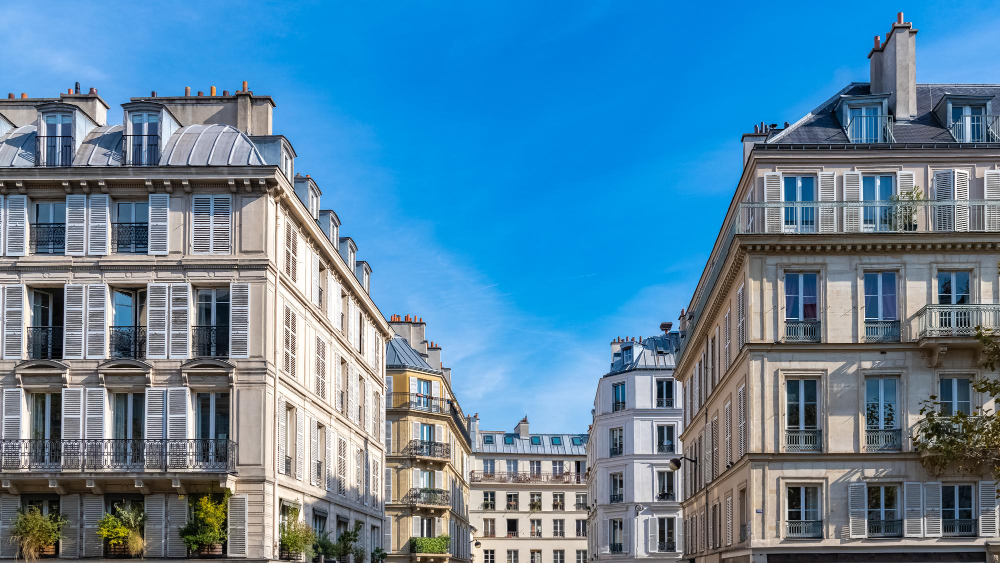
  • Property for Sale in France

    From sun-drenched Riviera beaches to Parisian boulevards, alpine chalets, and vineyard retreats — France offers one of the most diverse and rewarding property markets in Europe. Whether you’re seeking a lifestyle home, a city apartment, or a long-term investment, France combines culture, stability, and enduring global appeal. This guide introduces the key regions, property types, buying process, and practical considerations to help you navigate the French property market with clarity and confidence.


    Why Buy in France?

    France remains one of Europe’s most desirable places to live and invest. With world-class healthcare, refined cuisine, excellent infrastructure, and a famously high quality of life, it appeals equally to families, retirees, and investors.

    You’ll find strong demand in both the short-term rental market — especially in Paris, Provence, and the Côte d’Azur — and the long-term rental sector in university and business hubs. Add to this its stable economy, transparent legal system, and variety of landscapes — and France stands out as a safe, lifestyle-rich destination for property ownership.


    Where to Buy: Popular Regions and Cities

    Paris & Île-de-France:
    The capital remains the heartbeat of the French market. From elegant Haussmann apartments in the 7th arrondissement to trendy lofts in the Marais or Montmartre, Paris combines long-term capital stability with strong rental demand. The surrounding Île-de-France region offers better value in suburban towns with easy commuter links.

    Provence & Côte d’Azur:
    Provence offers lavender fields, vineyards, and hilltop villages — ideal for country homes and restored stone mas. The French Riviera (Nice, Cannes, Antibes, Saint-Tropez) delivers glamorous coastal living, marinas, and luxury villas with sea views and excellent short-let potential.

    French Alps:
    Ski resorts such as Chamonix, Megève, Méribel, and Les Gets attract year-round demand for chalets and apartments. Summer hiking and winter skiing ensure consistent rental appeal.

    Occitanie & Languedoc:
    A more affordable alternative to Provence, with Mediterranean beaches, vineyards, and charming historic towns like Carcassonne and Montpellier. Excellent value for holiday homes and relocation buyers.

    Bordeaux & Nouvelle-Aquitaine:
    Famous for wine estates and elegant architecture. Bordeaux city offers urban chic and strong connectivity; the wider region features countryside châteaux and Atlantic coast properties.

    Normandy & Brittany:
    Lush countryside, dramatic coastlines, and easy access to the UK. Traditional stone farmhouses and seaside cottages are popular among British and Northern European buyers.

    Lyon & Central France:
    Lyon, a UNESCO World Heritage city, is France’s gastronomic capital and a growing business hub. Central France offers rural charm and spacious homes at attractive prices.


    What Can You Buy?

    City Apartments:
    From grand period buildings in Paris and Lyon to new developments in coastal or business centres. Ideal for year-round use and steady rental income.

    Country Houses & Farmhouses:
    Restored stone properties with gardens, often set amid vineyards or rolling countryside. Check for renovation quality, insulation, and heating systems.

    Villas & Seaside Homes:
    Mediterranean living at its best — terraces, pools, and sea views. Consider orientation, privacy, and access to airports.

    Châteaux & Character Estates:
    For buyers seeking heritage and grandeur. These properties often come with large grounds; ensure proper assessment of maintenance and restoration costs.

    New-Build & Off-Plan:
    Contemporary developments offer energy efficiency, warranties, and tax advantages. Due diligence on the developer and completion timelines is key.


    The Buying Process in France

    1. Offer & Preliminary Agreement:
    Once your offer is accepted, you sign a Compromis de Vente (preliminary contract) and pay a 5–10% deposit. This outlines the sale terms and conditions.

    2. Cooling-Off Period:
    You have a 10-day grace period to withdraw without penalty.

    3. Due Diligence & Financing:
    Your notaire (notary) verifies title, boundaries, and property documents while your financing (if applicable) is arranged.

    4. Final Contract (Acte de Vente):
    Signed before the notaire, who ensures all taxes and fees are settled. Ownership transfers upon signature and payment.

    Professional tip:
    Appoint an independent, English-speaking lawyer alongside the notaire to protect your interests and handle communication.


    Costs, Taxes, and Ongoing Charges

    Budget for the purchase price plus acquisition costs, typically 7–10% for resales and 2–3% for new-builds:

    • Notaire’s Fees: Around 6–8% for older properties, lower for new developments.
    • Stamp Duty & Registration: Included in notarial costs.
    • Legal & Translation Fees: Optional but advisable for foreign buyers.
    • Agent’s Commission: Normally included in the advertised price, but always confirm.
    • Ongoing Costs: Annual property tax (Taxe Foncière), residence tax (Taxe d’Habitation where applicable), utilities, and insurance.

    Renting Out Your French Property

    France’s vibrant tourism and student markets make rental investment appealing.

    • Short-term rentals: Strong in Paris, the Riviera, the Alps, and key tourist destinations. Check local regulations, as some cities limit Airbnb-style lets.
    • Long-term rentals: Provide consistent income, particularly in major cities and university towns.
      If you live abroad, consider appointing a management company to handle bookings, maintenance, and compliance.

    Construction Quality, Energy, and Legal Checks

    France maintains high construction standards, but thorough due diligence is essential:

    • Surveys & Diagnostics: Sellers must provide reports on energy efficiency (DPE), asbestos, lead, termites, and more.
    • Energy Performance: Modern homes or renovated properties with good insulation offer lower running costs.
    • Seismic & Flood Zones: Verify the property’s environmental risk classification (État des Risques Naturels et Technologiques).
    • Utilities & Access: Confirm reliable water, electricity, and internet — especially in rural areas.

    Lifestyle Considerations

    • Connectivity: Excellent air, rail, and motorway networks link all regions.
    • Climate & Seasons: From Mediterranean sunshine to Alpine snow — choose your preferred lifestyle.
    • Culture & Cuisine: Every region has its traditions, from Provençal markets to Parisian art galleries.
    • Community: Expat-friendly regions and vibrant local communities make integration easy.
    • Healthcare & Education: France’s public systems are among Europe’s best.

    Buying Safely: Practical Tips

    • Always work with a licensed notaire and, ideally, an independent lawyer.
    • Commission a technical survey for older or rural properties.
    • Ensure all permits, extensions, and works are legally approved.
    • Prepare your funds and currency transfers early to avoid delays.
    • Protect your investment with insurance and maintenance plans.

    How We Help at Buyeuropeanproperty.com

    Our mission is to make your French property journey smooth, transparent, and secure. We connect you with trusted local experts — notaires, lawyers, surveyors, and managers — and curate a portfolio spanning city apartments, seaside villas, rural estates, and mountain chalets. Whether you’re prioritising investment, relocation, or lifestyle, we’ll guide you from first viewing to final handover with confidence and care.


    Ready to Explore Property for Sale in France?

    Let’s begin with your goals — whether it’s a Paris pied-à-terre, a Provençal farmhouse, or a Riviera retreat. From city life to countryside charm, France offers endless possibilities for every buyer.

    Contact Buyeuropeanproperty.com to view exclusive listings, arrange video tours, and receive personalised guidance on the French buying process.
    Your French home — and lifestyle — could be closer than you think.

  • Property for Sale in Latvia

    Latvia, with its pristine Baltic coastline, charming historic towns, and vibrant capital city, Riga, offers an appealing property market for lifestyle buyers, retirees, and investors. Combining rich cultural heritage, natural beauty, and affordable property prices compared to Western Europe, Latvia provides a compelling mix of lifestyle and investment opportunities. From city apartments and suburban homes to coastal villas and countryside retreats, this guide outlines key regions, property types, the buying process, and practical considerations for purchasing property in Latvia.


    Why Buy in Latvia?

    Latvia offers a balance of lifestyle appeal and investment potential:

    • Affordable Property: Lower prices than many Western European markets while offering good quality and value.
    • Cultural & Natural Beauty: Riga’s historic center, Baltic beaches, forests, and national parks provide a diverse lifestyle.
    • EU Membership: Latvia is part of the EU, offering security, transparency, and access to EU property and banking systems.
    • Investment Potential: Growing tourism and rental demand, especially in Riga and coastal towns.
    • Accessibility: Riga International Airport and efficient transport links make travel easy across Europe.

    Where to Buy: Popular Regions and Cities

    Riga:
    The capital and largest city is the cultural, economic, and educational hub of Latvia. Historic apartments in the Old Town, modern flats in the city center, and new developments in the suburbs offer options for investors and residents alike.

    Jūrmala:
    A popular seaside resort town just 25 km from Riga, known for sandy beaches, spas, and wellness tourism. Ideal for vacation homes, rental properties, and lifestyle buyers seeking coastal living.

    Latvian Countryside & Nature Areas:
    Rural areas and forested regions provide charming country homes, lakeside cottages, and properties suitable for retreats or eco-tourism projects.

    Daugavpils & Eastern Latvia:
    Offers affordable properties in a regional city environment, combining residential and investment opportunities.

    Kurzeme & Coastal Towns:
    Liepāja, Ventspils, and smaller coastal towns provide seaside villas, apartments, and holiday homes popular with local and foreign buyers.


    What Can You Buy?

    City Apartments:
    From historic flats in Riga’s Old Town to contemporary apartments in new developments. Ideal for year-round living or rental income.

    Detached Houses & Villas:
    Common in suburban or coastal locations, often featuring gardens, parking, and modern amenities.

    Seaside & Holiday Homes:
    Beachfront or near-coast properties in Jūrmala and Kurzeme are attractive for seasonal use or short-term rentals.

    New-Build & Off-Plan Properties:
    Modern apartments and houses with energy-efficient designs, warranties, and contemporary finishes. Due diligence on the developer and construction quality is essential.

    Country Homes & Cottages:
    Rural properties, farmhouses, and lakeside retreats offer privacy, outdoor living, and access to nature.


    The Buying Process in Latvia

    1. Engage a Lawyer or Notary:
    An English-speaking local professional ensures the transaction is legal, performs due diligence, and handles registration with the Land Register (Zemesgrāmata).

    2. Make an Offer:
    Once you select a property, a formal offer is made. A reservation deposit may be required to take the property off the market.

    3. Preliminary Agreement (Optional):
    Outlines key terms, deposit, and timelines before signing the final purchase contract.

    4. Due Diligence:
    Your lawyer verifies ownership, encumbrances, planning permissions, and cadastral registration.

    5. Final Contract & Registration:
    The purchase contract is signed, funds are transferred, and ownership is registered with the Land Register. Utilities and community responsibilities are then arranged.

    Professional tip:
    Always appoint an independent, English-speaking lawyer familiar with Latvian property law and regulations, particularly for off-plan or rural properties.


    Costs, Taxes, and Ongoing Charges

    Budget for purchase price plus additional costs, generally 3–5%:

    • Property Transfer Tax: Applies to resales; rates depend on property value.
    • Notary & Registration Fees: For legal transfer and Land Register entry.
    • Legal Fees: Usually fixed or percentage-based; confirm scope with your lawyer.
    • Agent’s Commission: Typically agreed upfront; clarify who pays.
    • Ongoing Costs: Utilities, municipal fees, insurance, and property maintenance.

    Renting Out Your Latvian Property

    Rental potential varies depending on location:

    • Short-term Rentals: Riga, Jūrmala, and coastal towns attract tourists and seasonal visitors. Confirm local licensing and building rules before renting.
    • Long-term Rentals: City apartments in Riga and regional centers provide stable rental income.
    • Property Management: Recommended for absentee owners to manage bookings, cleaning, and maintenance.

    Construction Quality, Energy, and Practical Considerations

    • Building Standards: Modern homes meet EU standards; older buildings may require inspection.
    • Energy Efficiency: Look for insulated walls, double glazing, and efficient heating systems.
    • Utilities & Water: Reliable in urban areas; check supply and infrastructure for rural properties.
    • Access & Parking: Consider street width and parking availability, especially in older town centers.

    Lifestyle Considerations

    • Connectivity: Riga International Airport and highway networks connect to Europe and beyond.
    • Seasons: Distinct seasons offer winter sports, summer beaches, and outdoor activities.
    • Culture & Community: Rich heritage, museums, music festivals, and a welcoming expatriate community.
    • Education & Healthcare: Quality services available in urban areas.

    Buying Safely: Practical Tips

    • Hire a local, English-speaking lawyer to oversee all legal aspects.
    • Conduct a technical survey, particularly for older properties.
    • Verify ownership rights, planning permits, and zoning compliance.
    • Have funds and financing ready before signing contracts.
    • Arrange insurance and property management if renting or using as a second home.

    How We Help at Buyeuropeanproperty.com

    Buyeuropeanproperty.com simplifies buying in Latvia. We connect buyers with trusted local experts — lawyers, notaries, surveyors, and property managers — and present a curated selection of city apartments, coastal villas, countryside homes, and rental-ready properties. Whether your goal is lifestyle, investment, or relocation, we guide you from first viewing to final registration with clarity and confidence.


    Ready to Explore Property for Sale in Latvia?

    Start by defining your goals — city living, coastal retreats, or rural escapes. From Riga apartments and Jūrmala beach homes to countryside cottages and lakeside villas, Latvia offers opportunities for every buyer.

    Contact Buyeuropeanproperty.com to view on-market and private listings, arrange virtual tours, and receive expert guidance on the Latvian property market.
    Your Baltic dream home could be closer than you think.

  • Property for Sale in Montenegro

    Montenegro, with its stunning Adriatic coastline, rugged mountains, and charming historic towns, has emerged as a highly attractive destination for property buyers. Offering a mix of Mediterranean lifestyle, investment potential, and relatively affordable prices compared to Western Europe, Montenegro appeals to lifestyle buyers, retirees, and investors alike. From coastal apartments and luxury villas to mountain retreats and historic townhouses, this guide provides an overview of key regions, property types, the buying process, and practical considerations for purchasing property in Montenegro.


    Why Buy in Montenegro?

    Montenegro combines lifestyle appeal with investment opportunities:

    • Mediterranean Climate: Mild winters, warm summers, and over 2,500 hours of sunshine per year on the coast.
    • Scenic Beauty: Adriatic beaches, fjord-like bays, national parks, and mountain landscapes.
    • Investment Potential: Growing tourism and short-term rental demand support attractive returns in coastal and lake regions.
    • Accessibility: International airports in Tivat, Podgorica, and Dubrovnik (Croatia, nearby) provide easy European connectivity.
    • Cost of Living: Lower than many Western European countries, offering good value for lifestyle and investment properties.

    Where to Buy: Popular Regions and Cities

    Budva & Budva Riviera:
    The most popular coastal area, famous for beaches, nightlife, and luxury resorts. Apartments, seafront penthouses, and villas with pools are in high demand.

    Kotor & Bay of Kotor:
    UNESCO-listed historic town with fjord-like scenery. Stone townhouses, restored historic properties, and modern villas with bay views attract both lifestyle buyers and investors.

    Tivat & Porto Montenegro:
    A luxury marina town offering contemporary apartments, waterfront penthouses, and high-end villas. Short-term rental potential is strong due to the marina and international visitors.

    Herceg Novi & Western Coast:
    Quieter coastal towns with traditional stone houses, seaside apartments, and easy access to beaches and resorts. Popular with retirees seeking a tranquil lifestyle.

    Podgorica & Central Montenegro:
    The capital offers modern apartments and investment opportunities in the business and administrative center of the country.

    Durmitor & Mountain Regions:
    Ideal for ski chalets, mountain cabins, and adventure tourism properties. Popular with buyers seeking a rural retreat or seasonal rental income.


    What Can You Buy?

    City & Coastal Apartments:
    Modern apartments in Budva, Tivat, and Kotor are suitable for investment, short-term rental, or primary residence.

    Villas & Luxury Residences:
    Seafront or hillside villas with pools, terraces, and panoramic views. Orientation, privacy, and access should be considered.

    Stone Houses & Historic Townhouses:
    Restored or renovated properties in medieval towns, often with authentic character and heritage features.

    New-Build & Off-Plan Properties:
    Energy-efficient homes with modern amenities and legal warranties. Due diligence on developer credibility, stage payments, and delivery timelines is essential.

    Mountain Cabins & Rural Homes:
    Detached houses or lodges in national parks and mountainous areas, perfect for seasonal retreats and tourism rentals.


    The Buying Process in Montenegro

    1. Engage a Lawyer:
    A local lawyer ensures your interests are protected, verifies property ownership, and handles contracts.

    2. Make an Offer & Reservation:
    Once you select a property, a reservation deposit is often required to take it off the market.

    3. Preliminary Agreement (Optional):
    Sets out key terms, price, and deposit conditions.

    4. Due Diligence:
    Your lawyer verifies property title, planning compliance, encumbrances, and cadastral registration.

    5. Final Contract & Notary:
    The contract is signed, funds are transferred, and ownership is registered with the local authorities. Utilities and community transfers are then arranged.

    Professional tip:
    Always appoint an independent, English-speaking lawyer experienced in Montenegrin property law.


    Costs, Taxes, and Ongoing Charges

    Budget for the purchase price plus acquisition costs, typically 3–6%:

    • Transfer Tax / VAT: Depends on property type; new-builds may incur VAT, resales attract transfer tax.
    • Notary & Registration Fees: Essential for legal ownership registration.
    • Legal Fees: Usually fixed or percentage-based; confirm scope with your lawyer.
    • Agent’s Commission: Clarify who pays and the rate.
    • Ongoing Costs: Utilities, municipal fees, property maintenance, insurance, and pool or garden upkeep if applicable.

    Renting Out Your Montenegrin Property

    Tourism drives strong rental demand along the coast and in popular historic towns:

    • Short-term Rentals: Coastal towns, marinas, and historic centers attract vacationers. Verify local licensing and building regulations before renting.
    • Long-term Rentals: Growing expatriate and professional communities in Podgorica and Budva provide steady income.
    • Property Management: Recommended for absentee owners to handle bookings, maintenance, and guest services.

    Construction Quality, Energy, and Practical Considerations

    • Building Standards: Modern properties meet EU-style standards; older stone houses may require inspection.
    • Energy Efficiency: Look for modern insulation, double glazing, and efficient heating/cooling systems.
    • Water & Utilities: Check water supply and electricity, especially in rural or hillside properties.
    • Access & Parking: Narrow streets in historic towns can limit vehicle access.

    Lifestyle Considerations

    • Connectivity: International airports and highways provide easy access to Europe and beyond.
    • Seasonality: Coastal towns are vibrant in summer; mountain regions attract winter sports enthusiasts.
    • Community & Amenities: Schools, healthcare, restaurants, beaches, marinas, and outdoor activities are widely available.
    • Culture & History: Montenegro offers rich heritage, from medieval towns to coastal fortresses.

    Buying Safely: Practical Tips

    • Engage a licensed local lawyer to manage legal matters.
    • Conduct a technical survey for older or rural properties.
    • Verify title, planning permits, and property boundaries.
    • Have funds and payment arrangements ready before signing.
    • Arrange insurance and, if applicable, property management immediately after purchase.

    How We Help at Buyeuropeanproperty.com

    Buyeuropeanproperty.com simplifies buying in Montenegro, connecting buyers with trusted local experts — lawyers, notaries, surveyors, and managers. Our curated portfolio includes coastal apartments, luxury villas, stone townhouses, and mountain retreats. Whether your goal is lifestyle, rental income, or retirement, we guide you from first viewing to final ownership with clarity and confidence.


    Ready to Explore Property for Sale in Montenegro?

    Start by defining your goals — coastal living, historic town charm, or mountain retreats. From Budva Riviera apartments and Kotor Bay villas to Durmitor mountain cabins, Montenegro offers something for every buyer.

    Contact Buyeuropeanproperty.com to view on-market and private listings, arrange video tours, and receive expert guidance on the Montenegrin property market.
    Your Adriatic dream home could be closer than you think.

  • Property for Sale in Gibraltar

    Perched at the entrance to the Mediterranean, Gibraltar offers a unique blend of British legal and fiscal systems, sun-soaked beaches, and vibrant city living. With its strategic location, tax-friendly environment, and year-round appeal, Gibraltar attracts investors, retirees, and lifestyle buyers alike. From luxury apartments and townhouses to penthouses with panoramic views, Gibraltar presents a distinctive property market with strong long-term value. This guide highlights the key areas, property types, buying process, and essential considerations for anyone looking to purchase in this dynamic territory.


    Why Buy in Gibraltar?

    Gibraltar combines the stability of a British jurisdiction with Mediterranean lifestyle benefits. You’ll enjoy:

    • Climate: Over 300 days of sunshine per year and mild winters.
    • Tax Advantages: No VAT on local property purchases and attractive income and capital gains rules.
    • Connectivity: Easy access to Spain, the UK, and international destinations via Gibraltar Airport and nearby Malaga Airport.
    • Lifestyle: Beaches, marinas, shopping, and a diverse expat community.
    • Investment Potential: Short-term rentals are strong due to tourism and expatriate demand, while long-term leases cater to professionals and families.

    Where to Buy: Popular Areas

    Gibraltar City Centre:
    The heart of Gibraltar, featuring modern apartments, period buildings, and townhouses. Close to schools, shops, restaurants, and the port.

    Catalan Bay & Eastern Districts:
    Family-friendly areas near the beach, offering terraces, seaside apartments, and a quieter lifestyle. Great for lifestyle buyers seeking sun, sand, and sea views.

    Ocean Village & Marina Bay:
    Prime waterfront locations with luxury apartments, penthouses, and access to marinas, restaurants, and leisure facilities. High rental and resale demand.

    Mid-Levels & Upper Rock:
    Residential hillside areas with panoramic views, privacy, and detached homes. Ideal for buyers seeking peace and prestige while remaining close to the city.

    Western Districts:
    A mix of older homes and modern apartments with good connectivity, offering slightly more affordable options while maintaining proximity to amenities.


    What Can You Buy?

    City Apartments:
    From modern high-rises to classic town centre flats, these are ideal for professionals, expatriates, and investors.

    Penthouses & Luxury Residences:
    Top-floor apartments with terraces, sea views, and contemporary finishes. Popular with buyers seeking lifestyle and capital appreciation.

    Townhouses & Villas:
    Spacious homes with terraces and private parking, often with spectacular views over the Bay of Gibraltar or the Mediterranean.

    New-Build Developments:
    Modern properties with high-quality finishes, energy-efficient systems, and secure parking. Buyers benefit from warranties and contemporary design.


    The Buying Process in Gibraltar

    1. Engage a Lawyer:
    A local, English-speaking lawyer will represent your interests, conduct due diligence, and liaise with the notary and Land Registry.

    2. Make an Offer:
    Once you’ve chosen a property, a formal offer is submitted. A reservation deposit may be required to take the property off the market.

    3. Contract & Deposit:
    The Sale Agreement outlines terms and conditions. A deposit (typically 10%) is paid once contracts are agreed.

    4. Due Diligence:
    Your lawyer checks the property title, planning permissions, encumbrances, and ensures compliance with local regulations.

    5. Completion & Registration:
    The notary oversees the transfer of funds and registers the property with the Gibraltar Land Registry. You then arrange utilities, insurance, and management if needed.

    Professional tip:
    Always appoint an independent lawyer familiar with Gibraltar’s property law, tax implications, and licensing requirements.


    Costs, Taxes, and Ongoing Charges

    Budget for the purchase price plus additional costs, usually 3–5% of the property price:

    • Legal Fees: Typically 1–2% depending on the lawyer and complexity of the transaction.
    • Stamp Duty: Paid on all property purchases; the rate varies depending on property value.
    • Notary & Registration Fees: Essential for legal transfer and title registration.
    • Agent’s Commission: Customary and usually included in the advertised price.
    • Ongoing Costs: Annual service charges (for apartments), utilities, insurance, and maintenance.

    Renting Out Your Gibraltar Property

    Tourism and expatriate demand drive strong rental potential:

    • Short-term Rentals: Popular in marinas, waterfront developments, and city-centre locations. Ensure compliance with local rental licensing.
    • Long-term Rentals: Target professionals, military personnel, and families. Provide consistent, lower-risk returns.
    • Property Management: Consider local management companies if you plan to rent remotely or part-time.

    Construction Quality, Energy, and Practical Considerations

    Gibraltar’s properties are generally well-constructed, but due diligence is essential:

    • Building Standards: Most modern apartments are high-quality and energy-efficient. Older buildings may require inspections.
    • Orientation & Views: South-facing terraces and sea views command higher value.
    • Access & Parking: Consider narrow streets and parking limitations in older districts.
    • Utilities & Water Supply: Ensure reliable connections, particularly for hillside properties.

    Lifestyle Considerations

    • Connectivity: Proximity to Spain and easy access to Europe and the UK make commuting and travel convenient.
    • Climate & Outdoor Living: Sunny, mild weather supports year-round outdoor activities, dining, and walking.
    • Community & Amenities: Schools, healthcare, shops, restaurants, and leisure facilities are accessible and high-quality.
    • Seasonality: Gibraltar maintains a vibrant atmosphere year-round due to tourism, residents, and business activity.

    Buying Safely: Practical Tips

    • Engage a local, English-speaking lawyer from the outset.
    • Conduct a structural survey for older properties.
    • Verify planning approvals, encumbrances, and permitted usage.
    • Ensure funds and payment arrangements are ready before signing.
    • Arrange insurance and property management immediately after purchase if renting.

    How We Help at Buyeuropeanproperty.com

    Buyeuropeanproperty.com makes purchasing in Gibraltar straightforward and secure. We connect buyers with trusted local experts — lawyers, notaries, surveyors, and managers — and curate a portfolio ranging from city apartments and luxury penthouses to hillside villas and waterfront homes. Whether your goal is lifestyle, investment, or relocation, we guide you from first viewing to keys with clarity and confidence.


    Ready to Explore Property for Sale in Gibraltar?

    Start by discussing your goals — location, budget, and intended use (residence, investment, or rental). From Ocean Village apartments and townhouses in the city centre to hillside villas and luxury penthouses with panoramic views, Gibraltar offers unique opportunities for every buyer.

    Contact Buyeuropeanproperty.com to view listings, arrange virtual tours, and receive expert guidance on the Gibraltar property market.
    Your Mediterranean lifestyle could be closer than you think.

  • Property for Sale in Italy

    Rolling Tuscan hills, glittering coastlines, timeless cities, and one of the world’s most celebrated lifestyles — Italy continues to attract both lifestyle seekers and savvy investors. From elegant Rome apartments and lakeside villas to restored farmhouses and seaside homes in Puglia or Sicily, Italy offers remarkable diversity and enduring value. This guide introduces the main destinations, property types, buying process, and key practicalities to help you move smoothly from search to ownership.


    Why Buy in Italy?

    Italy delivers an unmatched blend of culture, cuisine, and quality of life. You’ll enjoy rich history, world-class art, diverse landscapes, and an enviable climate that varies from alpine snow to Mediterranean sunshine. For investors, Italy’s strong tourism sector sustains healthy short-let demand in urban, coastal, and countryside markets, while cities such as Milan, Rome, and Florence provide robust, long-term rental opportunities. Combine this with welcoming communities, world-renowned food and wine, and a relaxed rhythm of life, and Italy becomes not just a destination — but a lifestyle.


    Where to Buy: Popular Regions and Cities

    Rome & Lazio:
    The Eternal City offers everything from historic centro apartments to modern penthouses and suburban villas. Central districts like Trastevere, Monti, and Prati combine cultural appeal with strong rental markets. The surrounding Lazio countryside provides tranquil villas within easy reach of the capital.

    Milan & Northern Italy:
    Italy’s financial and design capital draws professionals and international buyers alike. Expect sleek apartments, luxury developments, and high rental yields. Nearby Lake Como, Lake Garda, and Lake Maggiore are perennial favourites for waterfront villas and second homes.

    Tuscany:
    Synonymous with beauty and sophistication, Tuscany offers rolling countryside, cypress-lined drives, and restored stone farmhouses. Cities like Florence, Siena, and Lucca combine cultural heritage with stable property demand.

    Veneto & Venice:
    Venice’s canals remain a global icon. Beyond the city, Verona and Padua balance charm with practicality, offering appealing long-term investments.

    Puglia:
    The heel of Italy’s boot is known for whitewashed towns, olive groves, and turquoise seas. Trulli houses in the Valle d’Itria and seaside villas in Ostuni or Polignano a Mare are popular among international buyers seeking value and authenticity.

    Amalfi Coast & Campania:
    From Positano to Sorrento, dramatic coastal scenery defines this glamorous region. Prices are high but so is rental demand, especially for luxury holiday homes.

    Sicily & Sardinia:
    Southern islands with strong character and sun-soaked climates. Sicily offers grand palazzos and affordable rural retreats, while Sardinia delivers luxury resorts and contemporary seaside villas.

    The Italian Alps & Lakes:
    For year-round appeal, Italy’s alpine resorts (Cortina d’Ampezzo, Courmayeur) and lake regions offer both winter and summer lifestyles, plus strong tourism fundamentals.


    What Can You Buy?

    City Apartments:
    From frescoed palazzi and historic townhouses to stylish new-builds with terraces and garages. Ideal for city living or reliable rentals.

    Country Houses & Farmhouses:
    Renovated stone homes surrounded by vineyards or olive groves are the essence of rural Italy. Verify renovation quality and local building permissions.

    Villas with Pools:
    Perfect for Mediterranean living — open-air dining, panoramic views, and guest space. Consider access, privacy, and orientation to the sun.

    Historic Properties & Palazzi:
    Italy’s architectural heritage is a major draw. Ensure expert restoration advice and compliance with heritage regulations (vincoli).

    New-Build & Off-Plan:
    Contemporary developments in cities and resorts offer modern amenities and energy efficiency. Conduct due diligence on developers and construction guarantees.


    The Buying Process in Italy

    1. Obtain a Codice Fiscale (Tax Code):
    Required for all buyers, issued by the Italian tax office or via a lawyer.

    2. Open a Local Bank Account (if needed):
    Useful for payments, taxes, and utilities.

    3. Engage a Notary and Independent Lawyer:
    The notary (notaio) formalises the sale, but an independent English-speaking lawyer protects your interests.

    4. Preliminary Contract (Compromesso):
    Outlines terms, price, and deposit (typically 10–20%). It’s legally binding.

    5. Final Deed (Rogito Notarile):
    Signed before the notary; ownership transfers upon payment, and the deed is registered at the Land Registry.

    Professional tip:
    Ensure your lawyer verifies title, planning compliance, and any liens or encumbrances before signing anything.


    Costs, Taxes, and Ongoing Charges

    Budget for purchase price plus additional costs, typically 7–10% of the total:

    • Purchase Taxes: Vary depending on whether the property is new or resale, and if it will be your primary residence or a second home.
    • Notary & Registry Fees: Calculated on purchase price and documentation complexity.
    • Legal Fees: Fixed or percentage-based.
    • Agent’s Commission: Usually 3–5%, shared between buyer and seller depending on the arrangement.
    • Ongoing Costs: Annual property tax (IMU), utilities, insurance, and condominium fees where applicable.

    Renting Out Your Italian Property

    Italy’s tourism market supports excellent rental prospects.

    • Short-term lets: Ideal in historic centres, coastal resorts, and near lakes. Confirm local licensing requirements and tourist registration rules.
    • Long-term lets: Suitable in cities and university towns; more stable but lower yields.
      If managing remotely, arrange trusted property management for maintenance, cleaning, and guest services.

    Construction Quality, Energy, and Heritage Factors

    Italy’s property stock ranges from centuries-old buildings to cutting-edge eco-homes. Consider:

    • Structural Soundness: Request a survey, especially for older or rural homes.
    • Energy Efficiency: Check the property’s EPC (APE in Italy) for insulation, heating, and energy performance.
    • Heritage Restrictions: Listed or historic buildings may require special permissions for alterations.
    • Access & Utilities: In rural areas, confirm reliable water, electricity, and road access.

    Lifestyle Considerations

    • Connectivity: Proximity to airports, rail links, and healthcare enhances both value and convenience.
    • Climate & Orientation: Italy’s diverse regions range from alpine to Mediterranean — choose according to your lifestyle.
    • Local Culture: Evaluate amenities, restaurants, markets, and schools if relocating.
    • Seasonality: Coastal and rural areas may quieten in winter; cities and larger towns offer year-round activity.

    Buying Safely: Practical Tips

    • Hire an independent, bilingual lawyer.
    • Commission a technical survey (perizia).
    • Confirm the property matches registered plans and complies with local regulations.
    • Have your funds and timelines in place before signing.
    • Take out building, contents, and liability insurance.

    How We Help at Buyeuropeanproperty.com

    Our goal is to make your Italian property journey seamless and secure. We connect you with trusted local professionals — lawyers, notaries, surveyors, and managers — and present a curated portfolio ranging from urban apartments and lakeside retreats to vineyard estates and holiday villas. Whether your priority is lifestyle, investment, or retirement, we guide you with clarity and care through every step — from first viewing to final signature.


    Ready to Explore Property for Sale in Italy?

    Let’s start with your goals — location, budget, lifestyle, and investment plans. From chic Milan lofts and Florentine palazzi to Tuscan farmhouses and Sicilian villas, Italy offers something for every dream.
    Get in touch with Buyeuropeanproperty.com to explore both on-market and discreet listings, schedule video tours, and receive expert guidance through the Italian buying process.
    Your life under the Italian sun might be closer than you think.

  • Property for Sale in Greece

    Sun-drenched islands, timeless cities, and a cost of living that still undercuts much of Western Europe — Greece remains a magnetic choice for lifestyle buyers and investors alike. From whitewashed Cycladic villages to elegant Athenian apartments and olive-grove villas on the mainland, you’ll find an extraordinary range of properties at a wide spread of price points. This guide introduces the key locations, property types, buying process, and practical considerations to help you move confidently from browsing to completion.


    Why Buy in Greece?

    Greece offers a compelling blend of lifestyle and long-term value. You’ll enjoy more than 300 days of sunshine in many regions, superb beaches, and a renowned food-and-wine culture — all supported by improving infrastructure and year-round international connectivity. For investors, robust tourism underpins strong short-let demand in coastal and island markets, while Athens and Thessaloniki serve stable, long-term rental markets for students and professionals. Add a welcoming culture, outdoor living, and rich history, and Greece becomes an easy market to love.


    Where to Buy: Popular Regions and Islands

    Athens & Riviera:
    In the capital, neighbourhoods such as Pangrati, Koukaki, Kolonaki, and Piraeus offer everything from period apartments to sleek new-builds. The Athens Riviera (Glyfada, Voula, Vouliagmeni) delivers beachside living with city convenience and strong rental appeal.

    Thessaloniki:
    Greece’s second city blends culture, universities, and a buzzing waterfront. Expect lower purchase prices than Athens and steady long-term rental demand.

    Crete:
    The largest island combines sandy beaches with rugged mountains and authentic towns. Chania’s Venetian harbour and Rethymno’s old town are favourites; detached villas with pools and sea views remain the classic choice.

    Cyclades (Mykonos, Santorini, Paros, Naxos):
    The iconic postcard Greece. Prices are higher on the best-known islands, but demand is resilient thanks to global recognition. On quieter Cyclades, you’ll find more space and better value.

    Ionian Islands (Corfu, Kefalonia, Zakynthos):
    Lush landscapes and turquoise waters define the Ionian. Expect traditional stone houses, seafront apartments, and contemporary villas aimed at the holiday-let market.

    Peloponnese:
    A mainland gem with superb beaches (Kalamata, Pylos, Nafplio) and easier year-round access. Renovated stone houses and modern villas near the coast are popular with lifestyle buyers.

    Halkidiki:
    Three peninsulas (Kassandra, Sithonia, Athos) known for pine forests and clear waters. Family-friendly resorts and new-build apartments are common.


    What Can You Buy?

    City Apartments:
    From high-ceiling, 20th-century buildings to elevator-served new developments with parking and balconies. Ideal for year-round use and steady rentals.

    Villas with Pools:
    The classic Greek dream — indoor-outdoor living, sea views, and guest suites. Consider orientation, wind exposure (notably the Meltemi in Cyclades), and privacy.

    Townhouses & Stone Homes:
    Heritage character in island villages or mountain towns. Check for planning compliance, roof integrity, and seismic upgrades.

    New-Build & Off-Plan:
    Energy-efficient homes offering warranties and modern amenities. Due diligence on the developer, stage payments, and delivery timelines is essential.


    The Buying Process in Greece

    1. Get Your AFM (Tax Number):
      A simple administrative step required for all buyers. A local lawyer or accountant can assist.
    2. Open a Greek Bank Account (if needed):
      Useful for payments and utilities, though international transfers are also common.
    3. Reservation & Due Diligence:
      Once you’ve agreed terms, a reservation may be placed to take the property off the market while your lawyer verifies title, planning, and any encumbrances. Expect thorough checks at the Land Registry/Cadastre.
    4. Preliminary Agreement (Optional):
      Sets out key terms and deposit conditions. Escrow arrangements are typical for security.
    5. Notarial Deed & Completion:
      The notary authenticates the sale; funds are transferred; the deed is signed; and ownership is registered. You’ll then handle utilities and community transfers as needed.

    Professional tip: Always appoint an independent, English-speaking lawyer to represent your interests and coordinate with the notary, accountant, and (if relevant) surveyor.


    Costs, Taxes, and Ongoing Charges

    Budget for the purchase price plus acquisition costs, which commonly include:

    • Transfer Tax or VAT:
      Resales typically attract property transfer tax; new-builds may incur VAT depending on project status and applicable legislation.
    • Notary & Registry Fees:
      Based on purchase price and administrative complexity.
    • Legal Fees:
      Fixed or percentage-based; confirm scope (title checks, planning, contract review).
    • Agent’s Commission:
      Customary and transparent; clarify who pays what on your specific deal.
    • Ongoing Costs:
      Annual property tax (ENFIA), building service charges for apartments, insurance, and routine maintenance (pool, garden, lift).

    Renting Out Your Greek Property

    Tourism remains a powerful driver of returns in coastal and island locations. Short-term lets can be attractive, particularly near beaches, marinas, or postcard-pretty towns. However, rules vary by municipality and building, so confirm licensing, registration, and building by-laws before listing. In Athens and Thessaloniki, long-term tenancies provide steadier, less seasonal income. Factor in management, cleaning, and key-holding services if you won’t be on the ground.


    Construction Quality, Energy, and Seismic Safety

    Greece spans multiple climate zones and sits in a seismically active region. Sensible due diligence includes:

    • Seismic Resilience:
      Prefer post-code-update structures or certified reinforcements in older buildings.
    • Energy Performance:
      Look for modern insulation, double glazing, efficient heating/cooling, and solar systems. Energy certificates (EPC) inform running costs and valuation.
    • Water & Utilities:
      On islands, verify water storage/pressure solutions and reliable electricity.
    • Access & Parking:
      Narrow village lanes can complicate deliveries and everyday use; check access for you and guests.

    Lifestyle Considerations

    • Connectivity:
      Proximity to airports, year-round ferry routes, and local healthcare can shape both lifestyle and rental demand.
    • Orientation & Wind:
      South-west terraces can be glorious at sunset; exposed plots might need wind breaks or pergolas.
    • Seasonality:
      Some islands quieten outside summer; mainland and larger cities provide better winter amenities.
    • Community & Amenities:
      Evaluate distance to beaches, tavernas, marinas, hiking paths, and international schools if relocating.

    Buying Safely: Practical Tips

    • Independent Legal Advice:
      Your first and most important hire.
    • Survey/Engineer’s Report:
      Recommended for older homes, rural properties, and any building with extensions or pools.
    • Clear Paperwork:
      Ensure the property matches permits and approved plans.
    • Funds & Timelines:
      Have your financing and transfer routes prepared early to keep momentum.
    • Insurance:
      Buildings, contents, and (for rentals) public liability cover provide peace of mind.

    How We Help at Buyeuropeanproperty.com

    Our role is to make your search efficient and your purchase secure. We connect you to vetted local experts — lawyers, notaries, surveyors, and managers — and curate a portfolio spanning city apartments, seafront villas, hill-country hideaways, and income-producing holiday homes. Whether you’re prioritising rental returns, family lifestyle, or a long-term retirement base, we’ll guide you from shortlist to keys with clarity and care.


    Ready to Explore Property for Sale in Greece?

    Start with a conversation about your goals: location, budget, usage (personal, rental, or both), and time frame. From Athens penthouses and Riviera pieds-à-terre to Cretan villas and Cycladic retreats, Greece offers something for every brief — and we’ll help you secure it with confidence.

    Get in touch with Buyeuropeanproperty.com to view on-market and discreet listings, arrange video tours, and receive tailored advice on the Greek buying process. Your place in the Aegean sun could be closer than you think.