Strategic European Living with Stability and Long-Term Investment Potential in the Heart of Western Europe
Belgium’s property market offers a compelling blend of political stability, strong legal protections, consistent demand, and central European connectivity — all within a culturally rich and economically resilient country at the crossroads of the EU. Whether you’re considering a modern apartment in Brussels, a historic townhouse in Antwerp, or a countryside villa in Wallonia, Belgium presents a balanced opportunity for both lifestyle and long-term investment.
This guide covers the key buying regions, property types, residency and tax considerations, legal steps, and strategic insights to help you invest in Belgian property with clarity and confidence.
Why Buy Property in Belgium?
Belgium is a highly developed EU member state with a diversified economy, strong infrastructure, and a well-regulated real estate market. Its strategic location between France, Germany, and the Netherlands makes it a key hub for international business, diplomacy, and trade.
Key reasons to consider Belgium:
Stable and mature property market with steady long-term appreciation
Home to EU institutions, NATO headquarters, and multinational corporations
High rental demand in major cities driven by expats and professionals
Strong legal framework with clear property ownership rights
Well-developed transport infrastructure including rail, road, and international airports
Diverse property options across urban, suburban, and rural regions
Attractive quality of life with high healthcare and education standards
Belgium consistently attracts investors and residents from across Europe, as well as international buyers seeking access to the EU market and a centrally located base.
Where to Buy: Prime Regions and Investment Zones
Brussels
The capital city and administrative center of the European Union. Brussels offers a mix of modern apartments, historic buildings, and high-demand rental zones. Areas like Ixelles, Etterbeek, and Uccle are particularly popular with expats, diplomats, and EU professionals. Strong rental yields and consistent demand make Brussels a top investment choice.
Antwerp
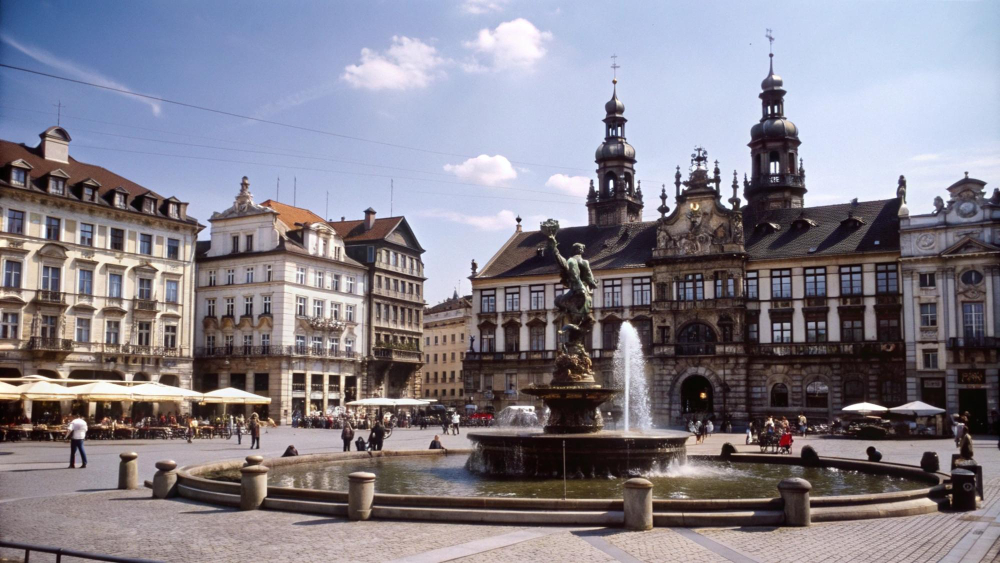
Belgium’s second-largest city and a global hub for trade and diamonds. Antwerp combines historic charm with modern urban development. Popular districts include Zuid and Eilandje, offering waterfront living and vibrant cultural scenes. The city attracts young professionals, creatives, and international investors.
Ghent
A dynamic university city with strong economic growth and a high quality of life. Ghent offers a balance between affordability and demand, making it attractive for both investors and owner-occupiers. The presence of students and professionals ensures steady rental demand.
Bruges
A UNESCO-listed city known for its preserved medieval architecture and tourism appeal. While property prices are relatively high due to limited supply, Bruges offers strong short-term rental potential and long-term value preservation.
Leuven
A major academic and research hub, home to one of Europe’s oldest universities. Leuven’s strong student population and proximity to Brussels make it an attractive location for rental investments, particularly smaller apartments and shared housing.
Wallonia (Namur, Liège, Ardennes)
The southern region offers more affordable property options, including larger homes, countryside villas, and renovation projects. Ideal for buyers seeking space, nature, or long-term lifestyle investments rather than immediate rental yield.
What Can You Buy?
City Apartments
Modern apartments dominate urban markets like Brussels, Antwerp, and Ghent. These properties often include amenities such as secure entry, parking, and energy-efficient systems. Ideal for rental income and low-maintenance ownership.
Townhouses & Historic Properties
Found across cities like Bruges, Ghent, and Antwerp, these properties feature traditional architecture, high ceilings, and unique design elements. Renovated units are particularly sought after by both residents and investors.
Villas & Detached Homes
Located in suburban and rural areas, especially in Wallonia and the outskirts of major cities. These properties offer larger plots, gardens, and privacy, making them ideal for families or long-term residence.
Student Housing & Co-Living Units
In cities like Leuven and Ghent, purpose-built student housing and shared living arrangements provide strong rental yields and consistent occupancy rates.
New Developments
Energy-efficient, newly constructed properties are increasingly popular due to strict EU energy standards. These developments often come with warranties and lower maintenance costs.
The Buying Process in Belgium
Property Search & Offer
Once you identify a property, you submit a formal offer. If accepted, the process moves to the preliminary agreement stage.
Sign the Compromise (Preliminary Agreement)
This legally binding contract outlines the agreed price and conditions. A deposit of around 10% is typically paid at this stage.
Notary Involvement
A notary is required by law to oversee the transaction. They conduct due diligence, verify ownership, check for debts or encumbrances, and prepare the final deed.
Mortgage & Financing (if applicable)
Buyers may secure financing through Belgian banks. Approval typically depends on income, residency status, and creditworthiness.
Final Deed of Sale
The final deed is signed before the notary, usually within 3–4 months of the compromise. The remaining balance and taxes are paid at this stage.
Registration
The notary registers the transaction with the land registry, officially transferring ownership to the buyer.
Professional note: The Belgian system is highly regulated, and the involvement of a notary ensures transparency and legal protection for both parties.
Costs, Taxes, and Ongoing Charges
Buyers should budget approximately 10–15% on top of the purchase price:
Registration Tax (Transfer Tax):
Flanders: around 3% for primary residences (higher for second homes)
Brussels: approximately 12.5%
Wallonia: approximately 12.5%
Notary Fees: typically 1–2%
Administrative Costs: includes registration and documentation fees
Annual Property Tax: based on cadastral income, varies by region
No wealth tax on property ownership
Capital Gains Tax:
Applies if property is sold within a short period (generally within 5 years for investment properties)
Primary residences are typically exempt under certain conditions
Ongoing Costs: maintenance, insurance, utilities, and possible community fees for apartments
Renting Out Your Belgian Property
Long-Term Rentals
The most common rental model in Belgium. Lease agreements are typically 3, 6, or 9 years, offering stability and predictable income. Popular among professionals, families, and expats.
Short-Term Rentals
Short-term rentals are regulated and may require permits depending on the region. Cities like Brussels and Bruges have stricter rules due to tourism pressure.
Yields
Gross rental yields typically range from 3% to 5% in major cities, with higher returns possible in student housing or emerging areas.
Tenant Protections
Belgium has strong tenant protection laws, which provide stability but require landlords to follow strict procedures for lease termination and rent adjustments.
Residency & Legal Structuring
EU Buyers
EU citizens can purchase property freely without restrictions and may reside in Belgium subject to standard registration requirements.
Non-EU Buyers
There are no major restrictions on foreign ownership of property. However, residency rights are separate from property ownership and require appropriate visas or permits.
Residency Options
Belgium offers residency pathways through employment, business activity, or family reunification. Property ownership alone does not grant residency but can support long-term relocation plans.
Ownership Structures
Property can be purchased in an individual’s name or through a company structure, depending on investment strategy and tax considerations.
Inheritance
Belgium has inheritance tax, which varies by region and relationship to the beneficiary. Proper estate planning is recommended for international buyers.
Construction Standards, Energy, and Infrastructure
Build Quality
Belgium maintains high construction standards aligned with EU regulations. New builds are energy-efficient and designed for long-term durability.
Energy Performance
Energy Performance Certificates (EPCs) are mandatory for all properties. Buyers should review energy ratings carefully, as they impact both value and running costs.
Sustainability
There is increasing focus on energy-efficient renovations, insulation, and renewable energy systems. Older properties may require upgrades to meet modern standards.
Infrastructure
Belgium offers excellent connectivity with high-speed rail links to Paris, London, and Amsterdam. Public transport systems are efficient, and digital infrastructure is strong.
Buyer Safeguards and Best Practices
Always work with a licensed real estate agent and a qualified notary
Conduct thorough due diligence on property title, permits, and zoning
Review EPC ratings and potential renovation requirements
Understand regional tax differences before purchasing
Confirm rental regulations if planning to lease the property
Consider long-term market trends rather than short-term speculation
How We Help at Buyeuropeanproperty.com
At Buyeuropeanproperty.com, we simplify your Belgian property journey — from identifying high-potential locations to ensuring legal compliance, tax efficiency, and smooth transaction management.
Whether you’re looking for a city apartment in Brussels, a historic home in Bruges, or a countryside retreat in Wallonia, we connect you with trusted agents, vetted listings, and experienced legal professionals.
We also assist international clients with investment structuring, rental strategy, and relocation planning tailored to Belgium’s regulatory environment.
Ready to Explore Property for Sale in Belgium?
Start by defining your objective — whether it’s rental income, long-term capital growth, lifestyle relocation, or access to the European market.
Contact Buyeuropeanproperty.com for curated listings, expert guidance, and end-to-end support throughout your property acquisition journey.
From vibrant city living to peaceful countryside estates, Belgium offers stability, accessibility, and enduring value in one of Europe’s most strategically positioned real estate markets.